

Move Beyond Training and Apply the Knowledge – Dr. Ignatius Kweku Williams Charges Trainees
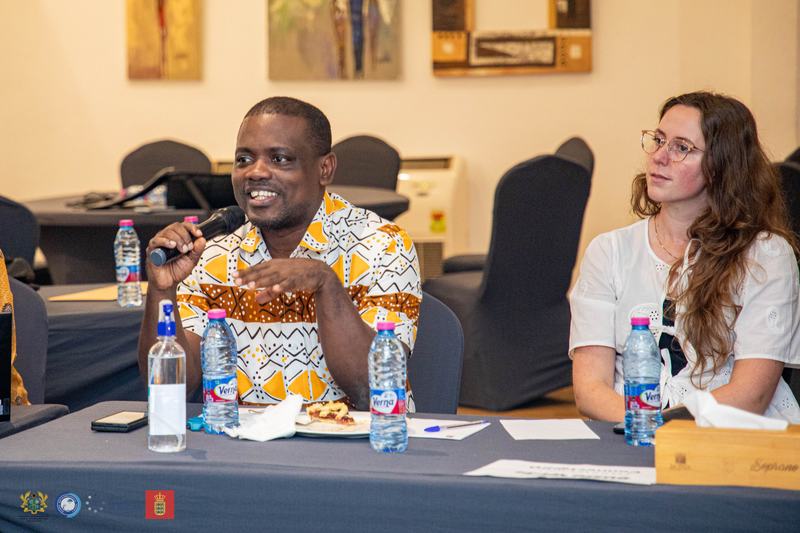
The Deputy Director-General, Operations of the Ghana Meteorological Agency (GMet), Dr. Ignatius Kweku Williams, has urged participants of the Python Training Part II to apply the knowledge and skills acquired during the five-day workshop to improve the Agency's operational efficiency and climate service delivery.
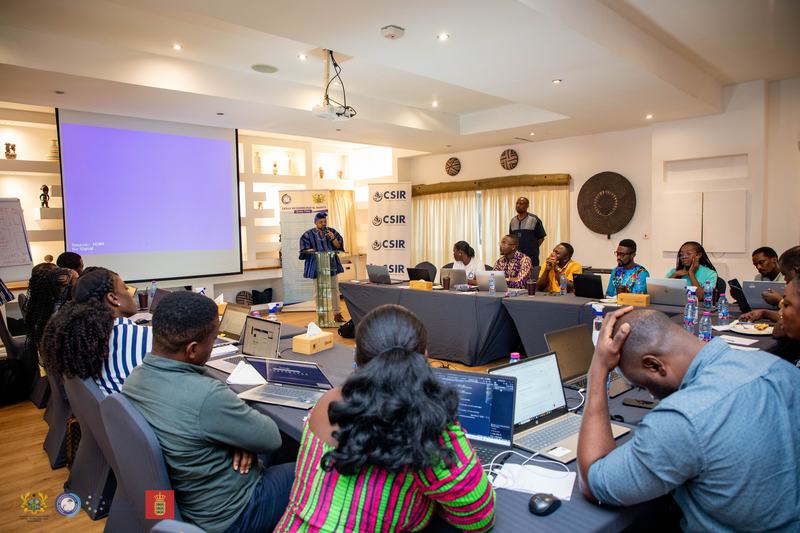
Speaking at the closing ceremony of the training on Friday, July 31, 2026, Dr. Williams said the true value of the workshop would not be measured by participants' attendance but by their ability to translate the training into practical solutions that address operational challenges within the Agency.
He noted that GMet had already demonstrated the benefits of automation in some areas, particularly in the production of seasonal forecasts, and encouraged staff to continue identifying processes that could be streamlined through Python programming and automation.
“We have seen that reports can also be automated. It is now about thinking through the work we do, conceptualizing the outputs we want and using these tools to achieve them,” he said.
Dr. Williams encouraged participants to move beyond waiting for externally driven projects and instead identify innovative solutions to challenges within their own departments. He assured them that management would provide the necessary support and resources for initiatives that would improve the Agency's operations.
He also urged participants to share the knowledge gained with colleagues in their respective units to ensure that the investment in capacity building benefits the entire Agency rather than remaining with a few individuals.
“I want to see how you integrate this knowledge within your various units and transfer it to your colleagues. Training should not remain on individual laptops and desktops,” he stated.
Touching on the growing use of artificial intelligence and automation, Dr. Williams cautioned participants against relying entirely on technology without professional oversight.
He stressed that while AI and automated scripts are valuable tools for improving efficiency, they do not replace human expertise and judgement. According to him, every output generated through automation must be validated and verified before it is used for operational or decision-making purposes.
He further encouraged participants to continue developing the skills acquired during the workshop instead of waiting for future training opportunities.
“Training is only the beginning. Build on the knowledge, become resource persons within your departments and use these skills to develop solutions that will benefit GMet,” he advised.
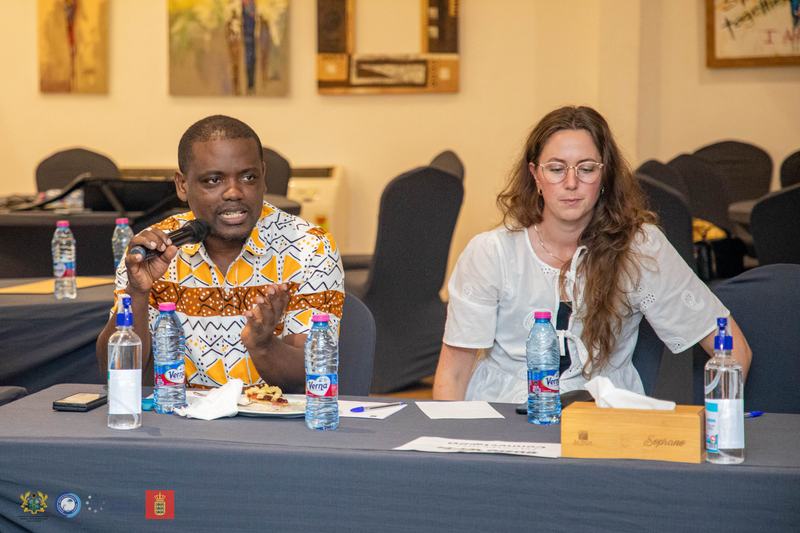
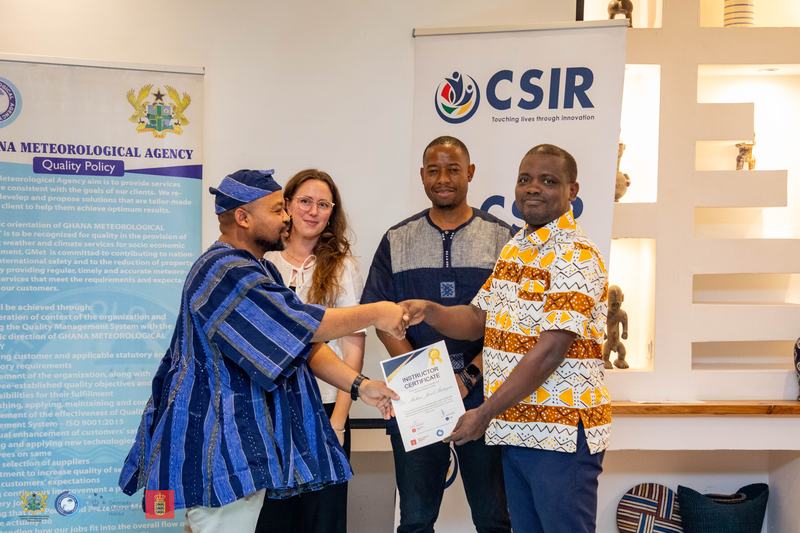
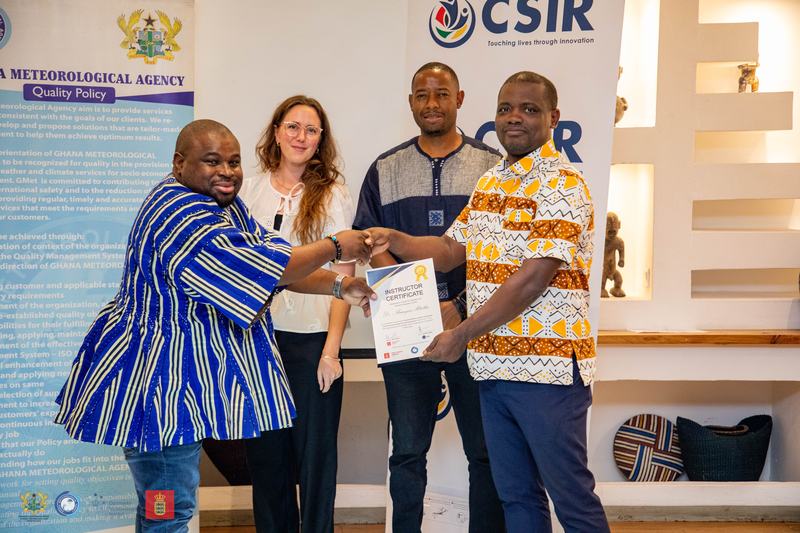
Representing the Embassy of Denmark in Ghana, Julie Stensballe expressed satisfaction with the commitment demonstrated by participants throughout the workshop. She said it was encouraging to see that participants had already identified practical applications for the skills they had acquired and expressed optimism that the knowledge would be implemented in their day-to-day work.
She noted that the Embassy looked forward to following the participants' progress over the coming months and reaffirmed Denmark's commitment to strengthening its partnership with GMet through continued support for capacity development initiatives. She also thanked GMet's management, Danish Meteorological Institute (DMI) and South Africa's Council for Scientific and Industrial Research (CSIR) facilitators for their contributions to the successful implementation of the programme.
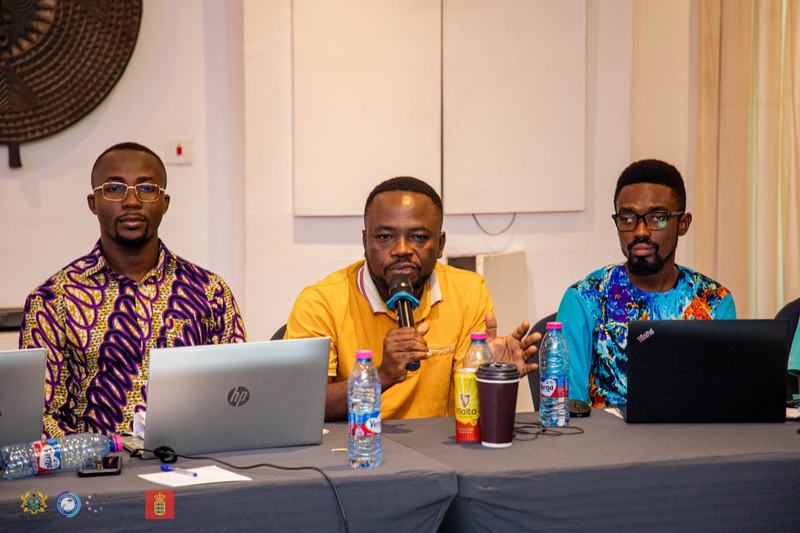
Speaking on behalf of the facilitators, Dr. Mohau Mateyisicommended the participants for their enthusiasm, active participation and commitment throughout the training. He said their willingness to engage in practical exercises, ask questions and seek assistance created an enabling learning environment that contributed to the overall success of the workshop.
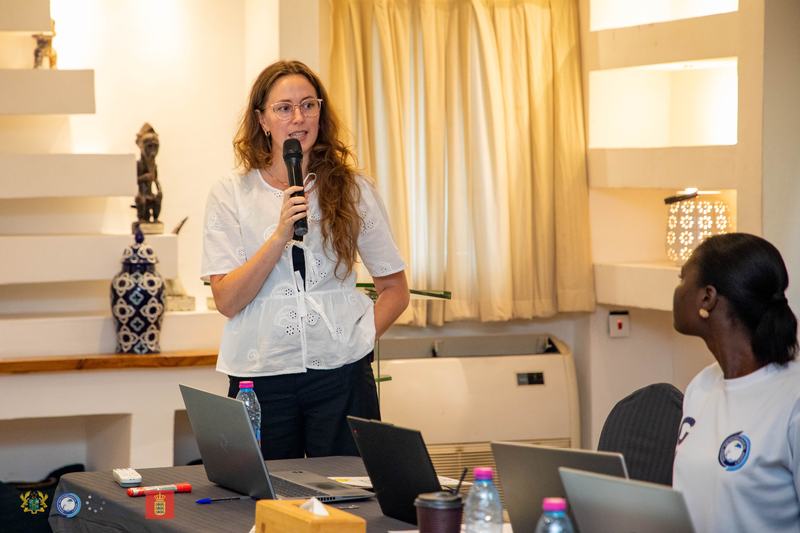
Dr. Mateyisi also expressed appreciation to GMet, DMI and the Embassy for the opportunity to facilitate the training, adding that CSIR valued the partnership and looked forward to future scientific collaboration with the Agency.

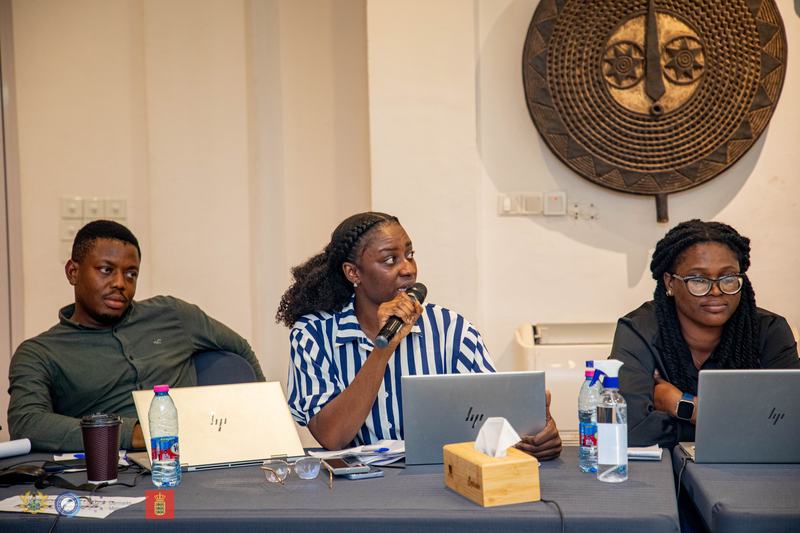
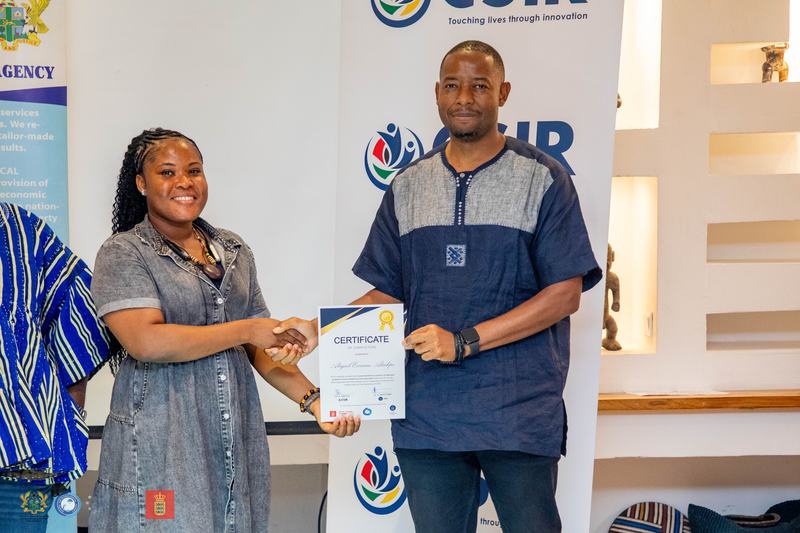
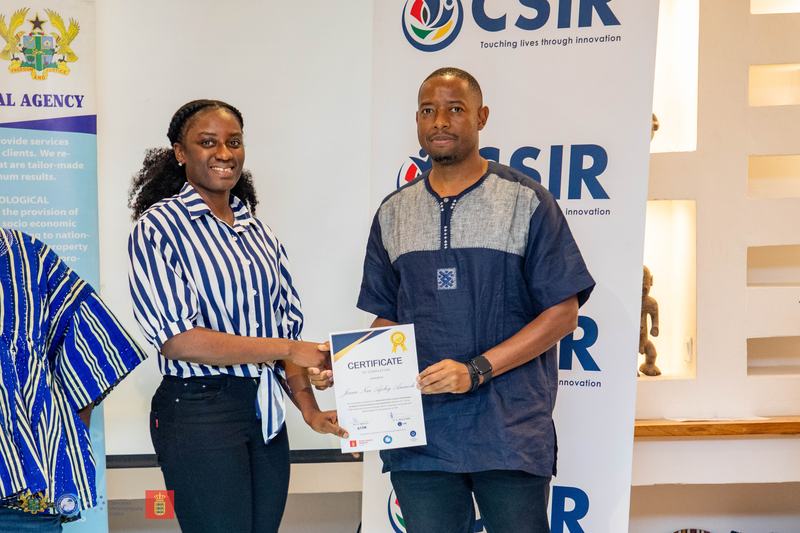
On behalf of the participants, one of the trainees said the workshop had significantly enhanced their understanding of collaborative software development and climate data analytics.
She explained that the training introduced participants to Git version control, enabling them to initialize repositories, manage code changes, collaborate on software development projects and maintain secure backups of their work. According to her, these skills would improve teamwork and software development within the Agency.
The participant also highlighted the introduction of Quarto as one of the key takeaways from the workshop, explaining that the tool enables users to automate the production of professional reports, dashboards and websites. She noted that replacing manual report writing with automated workflows would improve efficiency and support GMet's mission of delivering efficient weather and climate services for national development.
The DMI representative, Shingirai S. Nangombe, commended participants for their dedication and teamwork throughout the five-day workshop and expressed confidence that the knowledge acquired would strengthen climate data analytics and support the production of high-quality climate information products at GMet.
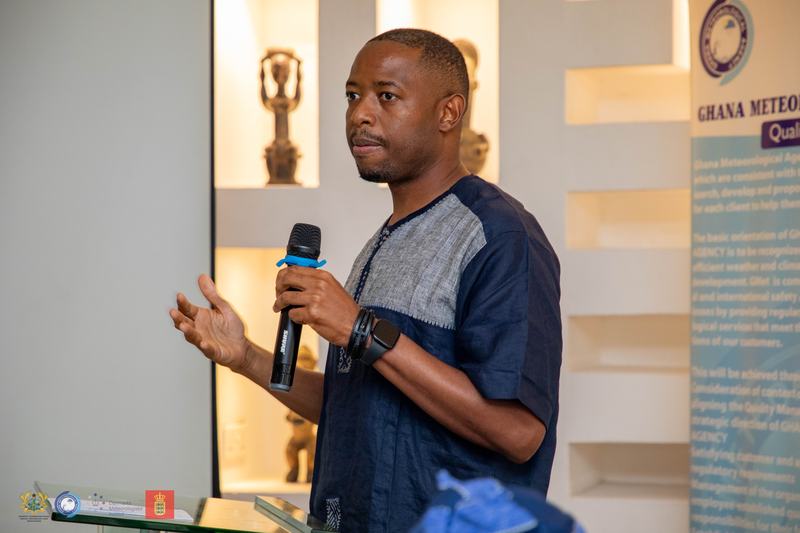
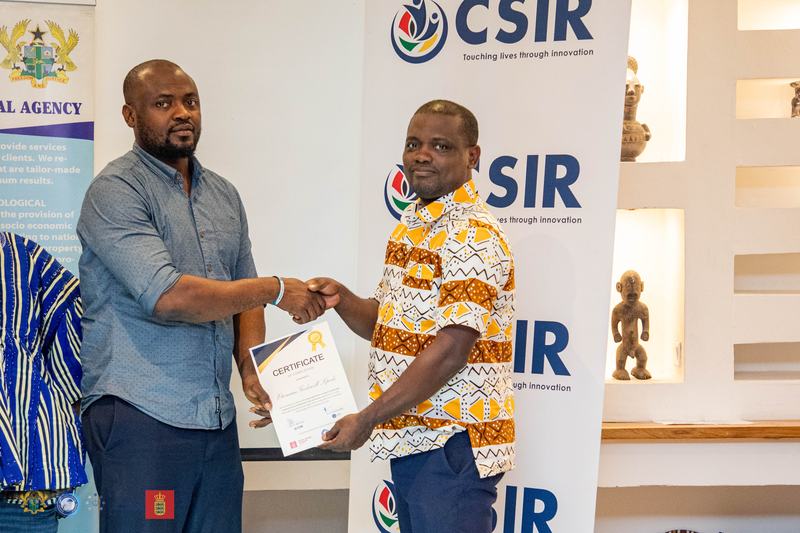
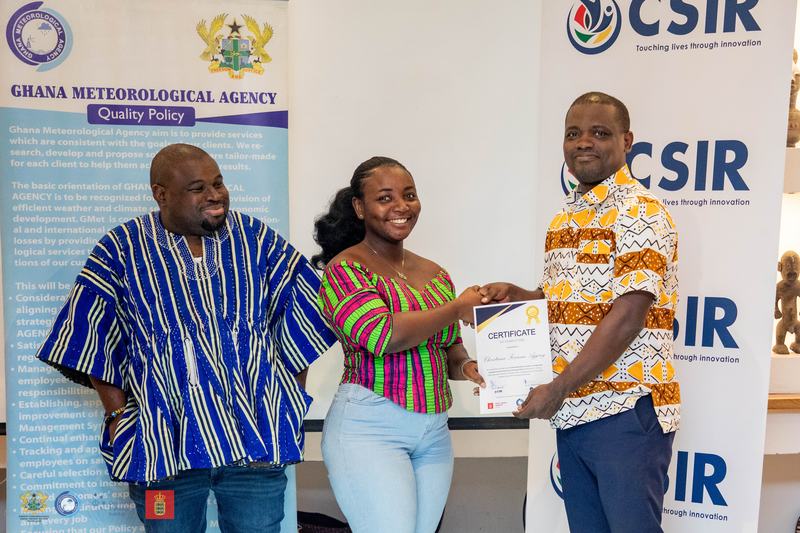
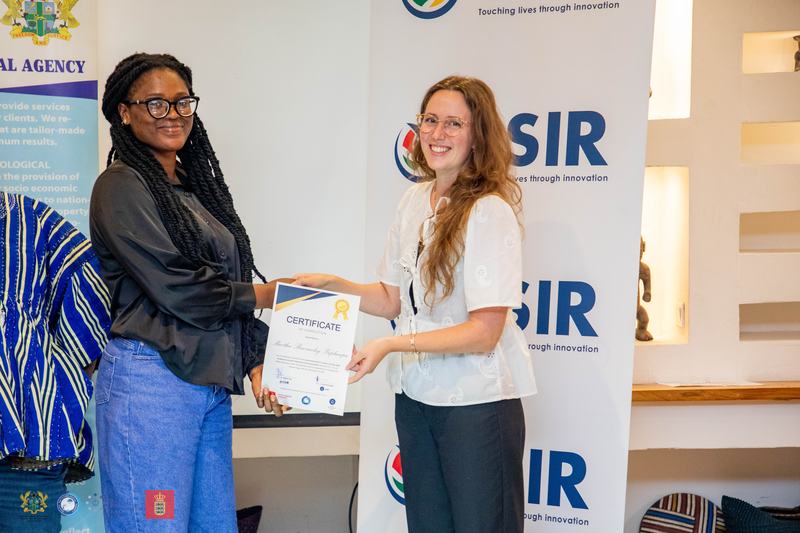
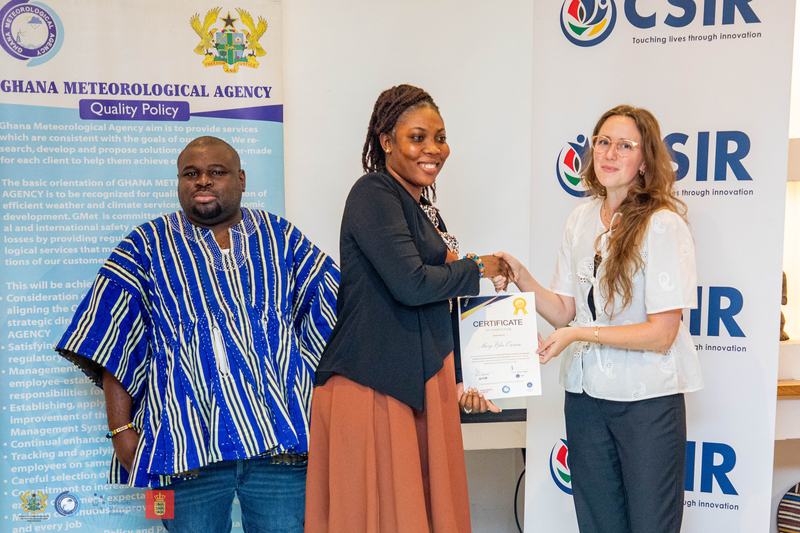
The training brought together 15 technical staff drawn from various technical departments of the Agency. By the end of the programme, participants had acquired practical skills in collaborative software development, automation of climate data workflows, Python package development and automated report generation. The programme forms part of ongoing efforts to strengthen GMet's technical capacity and support the continued development of the Ghana Climate Atlas and other national climate information products.
©️GMet Communications