

GMet and Partners Conclude Stakeholder Engagements for Socio-Economic Impact Assessment of Weather and Climate Services
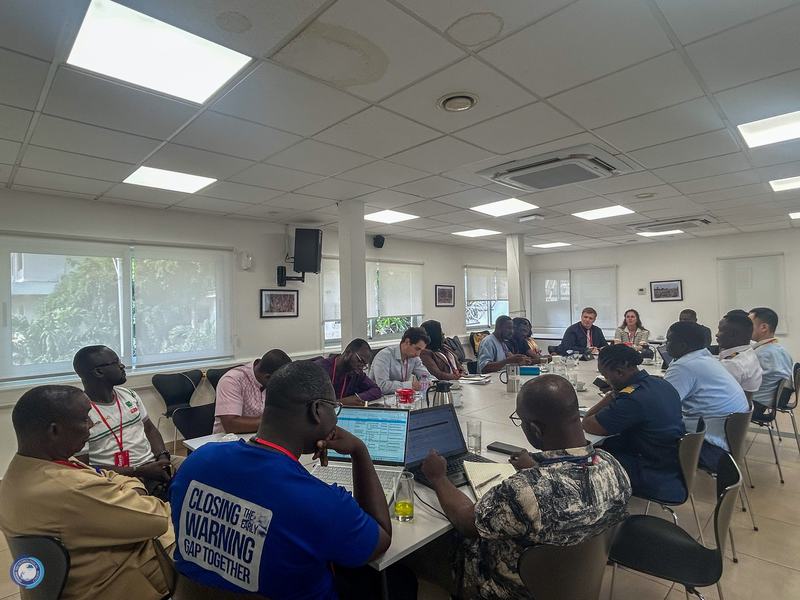
The Ghana Meteorological Agency (GMet), in collaboration with the Royal Danish Embassy in Accra, the Danish Meteorological Institute (DMI), and the UK Met Office, has concluded a week-long stakeholder engagement exercise under the ongoing Socio-Economic Impact Assessment of Weather and Climate Services in Ghana.
Held from 15 to 19 June 2026, the engagements formed part of efforts to assess the socio-economic value of weather and climate services and to better understand how these services are used across key sectors of the economy. The exercise also sought to identify opportunities for improving service delivery, strengthening decision-making processes, and enhancing the contribution of weather and climate information to national development.
The assessment team engaged stakeholders from a broad range of sectors, including climate change and disaster risk management, agriculture, marine and fisheries, health, energy, mining, finance and insurance, transport, security, academia, and research institutions. Discussions focused on the use of weather and climate information in planning, operations, risk management, policy development, and service delivery.
Across the various sectors, stakeholders acknowledged the growing importance of weather and climate information in supporting decision-making and noted improvements in the accuracy and reliability of forecasts over the years. At the same time, participants identified areas for further enhancement to ensure that weather and climate services become more accessible, timely, and responsive to user needs.
Among the key issues raised were the need to strengthen public awareness and sensitisation on available weather and climate services, improve the dissemination of forecasts and alerts through multiple communication channels, and provide more location-specific information to support planning and operational activities. Stakeholders also highlighted the importance of improving forecast timeliness, enhancing the communication of impact-based forecasts, and strengthening nowcasting services with clearer and more specific information on the timing and location of weather events.
Participants further called for greater use of graphical and user-friendly forecast products, customised alerts for sector-specific needs, and improved access to climate and historical weather data to support planning, research, investment decisions, and long-term projections. The need for seasonal forecasts to be released in a timely manner and accompanied by regional outreach and interpretation sessions was also emphasised.
The consultations reinforced the need for stronger collaboration between GMet and partner institutions, particularly in areas such as disaster risk reduction, disease surveillance, agriculture, transport operations, aviation, marine activities, energy management, and climate adaptation planning. Stakeholders also highlighted the need for improved interoperability between institutions, enhanced digital platforms for information sharing, and expanded access to weather and climate information services.
Several stakeholders observed that while many organisations could benefit significantly from GMet’s services, awareness of the Agency’s products and capabilities remains limited. Participants, therefore, encouraged increased visibility and outreach efforts to promote the use of weather and climate information across sectors and communities.
The stakeholder engagement exercise marks a significant milestone in the socio-economic impact assessment process. Insights gathered during the consultations will contribute to the evaluation of the benefits and impacts of weather and climate services in Ghana and support efforts to strengthen service delivery, resilience-building, and evidence-based decision-making.
The Socio-Economic Impact Assessment of Weather and Climate Services is being undertaken under the Strategic Sector Cooperation Programme through collaboration between GMet, the Royal Danish Embassy in Accra, the Danish Meteorological Institute, and the UK Met Office.
©️GMet Communications