

GMet Begins Stakeholder Engagement on Establishment of WMO Regional Training Centre
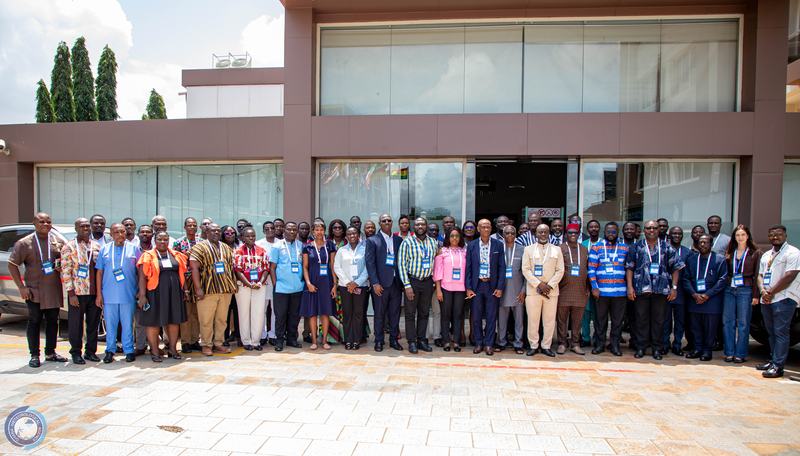
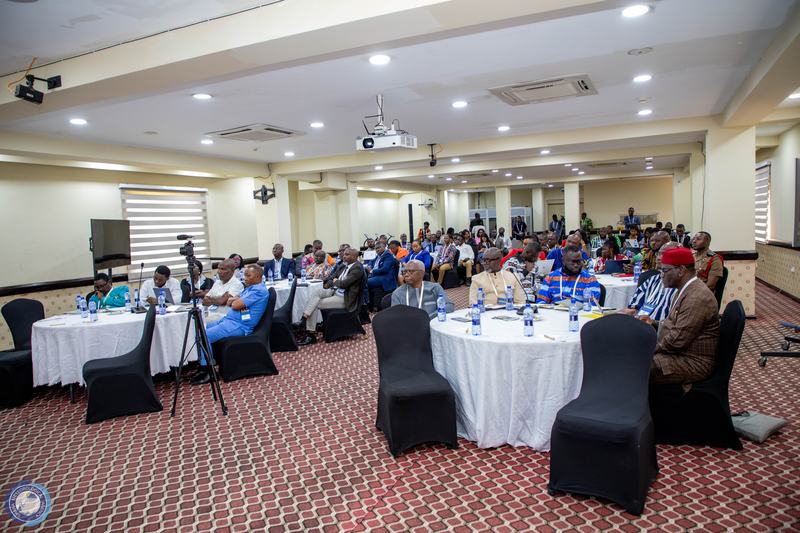
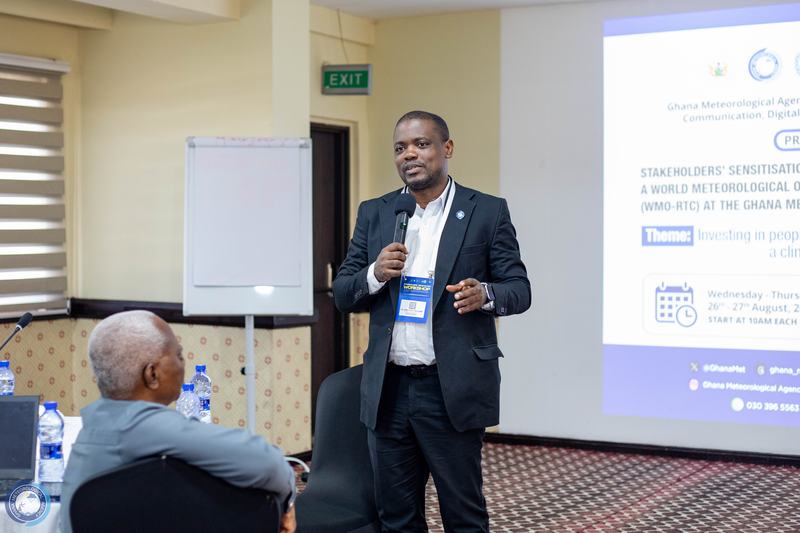
The Ghana Meteorological Agency (GMet) has begun a two-day stakeholder sensitisation workshop to build consensus and institutional support for the establishment of a World Meteorological Organization (WMO) Regional Training Centre (RTC) at the Agency.
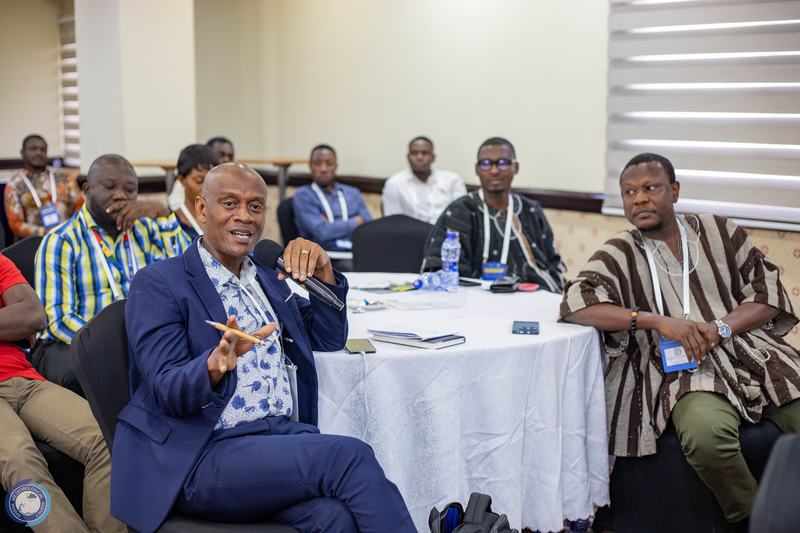
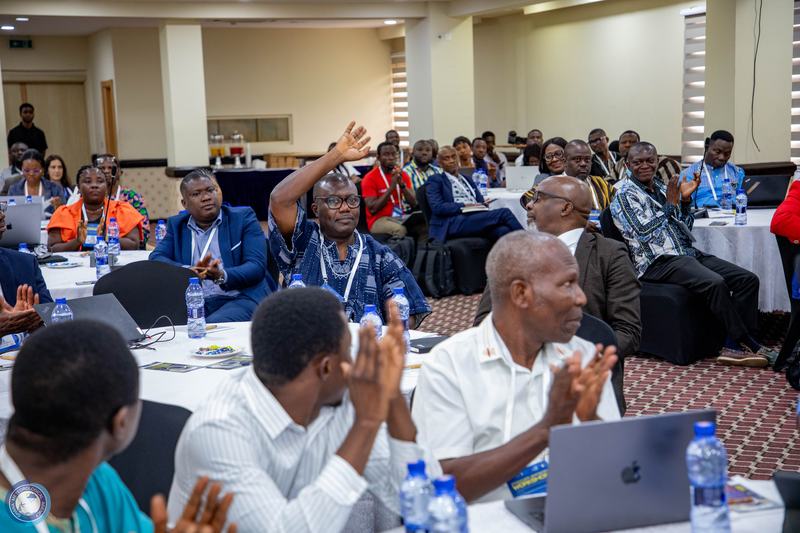
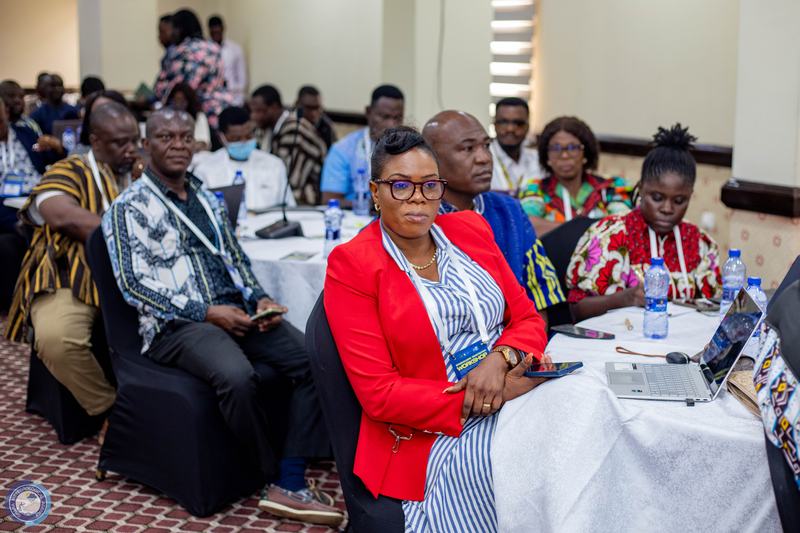
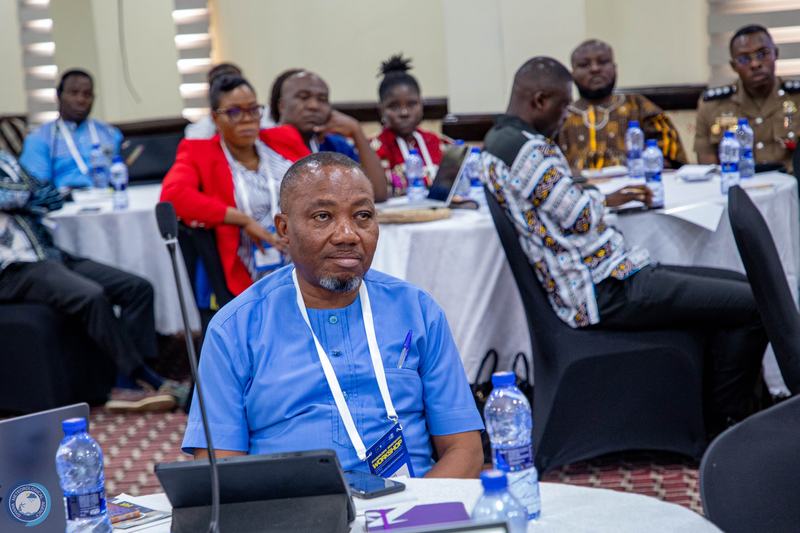
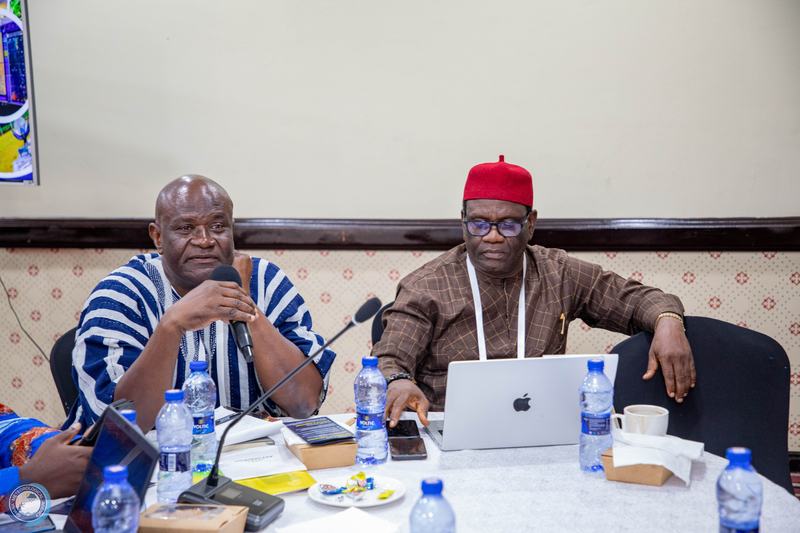
The workshop, being held at the AH Hotel in Accra from 26th to 27th August, 2026, brings together representatives of the WMO, African Centre of Meteorological Applications for Development (ACMAD), AGRHYMET Regional Centre, government institutions, academia, development organisations, embassies, the aviation and maritime sectors, National Meteorological and Hydrological Services, and other stakeholders.
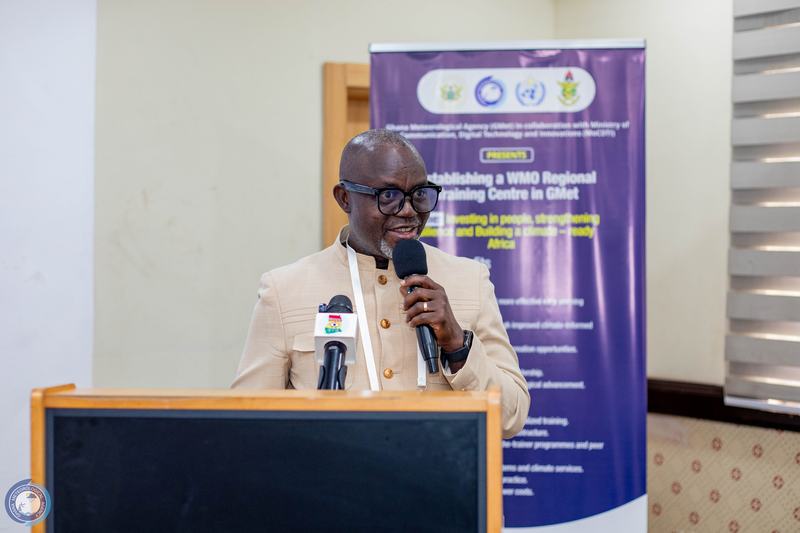
Opening the workshop, the Director-General of GMet, Dr. Eric Asuman, said the proposed Centre was intended to address persistent shortages of specialised skills and training opportunities within the meteorological and hydrological services sector in Ghana and the wider West African region.
He said the increasing frequency and impacts of floods, coastal erosion and prolonged dry spells demonstrated the need for stronger technical capacity to support reliable forecasting, early warning and climate resilience.
“Modern equipment alone is not enough. We also need skilled professionals who can produce reliable forecasts, translate science into clear warnings, and help institutions and communities to act in time,” he said.
Dr. Asuman noted that demand for qualified personnel in areas including aviation meteorology, marine services, hydrology, climate services and disaster risk reduction continued to outpace available capacity in the region.
He said the proposed RTC would provide opportunities to strengthen professional training, create career pathways for young scientists, technicians and data specialists, and support sectors that depend heavily on weather and climate information.
According to him, the Centre would also seek to connect GMet’s operational experience with the research capabilities of universities and other institutions, while developing training programmes based on competency requirements and relevant standards of the International Civil Aviation Organization (ICAO) and the International Maritime Organization (IMO).
Dr. Asuman stressed that the initiative would require the collective support of stakeholders and could not be pursued as a GMet project alone.
He identified the WMO, ICAO and IMO as important partners for standards and quality assurance, while government institutions, development partners and embassies could contribute to policy, infrastructure and scholarship support. He also called for academia, regional meteorological services and industry to contribute expertise, training opportunities and knowledge of the competencies required by users.
The Director-General said the workshop was expected to help refine the strategic and governance framework for the proposed Centre, identify partnerships and sustainable financing options, and develop a realistic roadmap for its establishment.
He added that the outcomes would strengthen Ghana’s proposal and inform preparations towards the 19th session of the Regional Association I of the WMO, which Ghana is scheduled to host in February 2027.
GMet Board backs regional training initiative
Representing the Chairman of the GMet Governing Board, Professor Austin Dziwornu Ablo said the Board was committed to the establishment of the Regional Training Centre, describing it as important to both national development and regional growth.
He said increasing climate variability and disasters associated with extreme weather events made it necessary to strengthen human resource capacity to respond effectively to emerging challenges.
Professor Ablo urged participants to actively contribute to the discussions and provide the guidance and support required to move the initiative forward.
Proposed Centre must respond to regional needs
Consultant to the initiative, Dr. Ernest Afiesimama, said the proposed Centre should go beyond high-level training to provide competency-based professional development that responds directly to the needs of meteorological, hydrological and other related institutions across the region.
He said Ghana had demonstrated significant capacity in meteorological training and professional development and was well positioned to host a regional centre that could draw on the country's operational experience and existing expertise.
Dr. Afiesimama emphasised that although the Centre would be hosted by GMet, it should serve the wider meteorological community and be developed collaboratively with stakeholders.
“The centre should be developed with stakeholders, and not for stakeholders,” he said, stressing the importance of stakeholder ownership in ensuring the Centre’s relevance, sustainability and effective operation.
He said GMet would provide operational leadership, while universities and other academic institutions would contribute to curriculum development and academic expertise. The WMO would provide technical guidance, while government ministries and agencies, National Meteorological and Hydrological Services, development partners and the private sector would have roles to play in supporting the initiative.
Dr. Afiesimama said the Centre should also be aligned with relevant WMO guidance and broader continental and international development frameworks, including the African Union’s Agenda 2063, the Sustainable Development Goals and the Sendai Framework for Disaster Risk Reduction.
He called for the proposed Centre to be integrated into the network of existing training and centres of excellence across Africa and beyond, allowing it to leverage existing expertise, modern technologies and training resources.
According to him, the stakeholder engagement was expected to help validate the Centre’s vision and mission, confirm priority areas, define stakeholder responsibilities, identify partnership opportunities and develop an appropriate governance, programming and sustainable financing framework.
He said the ultimate objective was to build a competent and professionally ready workforce capable of translating identified needs into competency-based training, supporting lifelong learning and professional development, and contributing to improved weather, climate, water and environmental services.
WMO pledges continued support
Representing the WMO, Mr. Bernard Gomez welcomed the initiative and said strengthening human capacity remained critical to improving weather and climate services across Africa.
He noted that more than 90 per cent of disasters were weather-related and argued that climate science needed to be better translated into actionable information for decision-makers and communities.
Mr. Gomez said African National Meteorological and Hydrological Services continued to face shortages of skilled personnel capable of keeping pace with technological advances, a situation that could affect the delivery of services to users.
He welcomed the participation of sectors including aviation, academia and maritime services in the workshop, saying their involvement at the planning stage would help ensure that the proposed Centre responded to actual user needs.
He also acknowledged the participation of the WMO Department responsible for science, services and capacity development and said the department would provide information and guidance on the requirements for hosting a WMO Regional Training Centre.
Mr. Gomez further congratulated GMet for engaging with established regional centres of excellence, including ACMAD and AGRHYMET, and assured stakeholders of the WMO’s continued support for the establishment process.
ACMAD calls for stronger anticipation of climate risks
The Director-General of ACMAD, Dr. Ousman Ndiaye, said climate change was expected to increase the frequency and severity of hazards such as flooding, heatwaves and bushfires, requiring African countries to strengthen their capacity to anticipate and prepare for such events.
He said many African countries lacked the infrastructure and financial resources to withstand major climate-related shocks and therefore needed to place greater emphasis on anticipation and preparedness.
According to Dr. Ndiaye, meteorological services were critical to planning and economic development because weather and climate variability affected sectors including agriculture, health, energy, hydrology and food security.
He said effective meteorological services should provide timely and relevant information to users through appropriate channels and in formats that supported decision-making.
AGRHYMET commits to collaboration
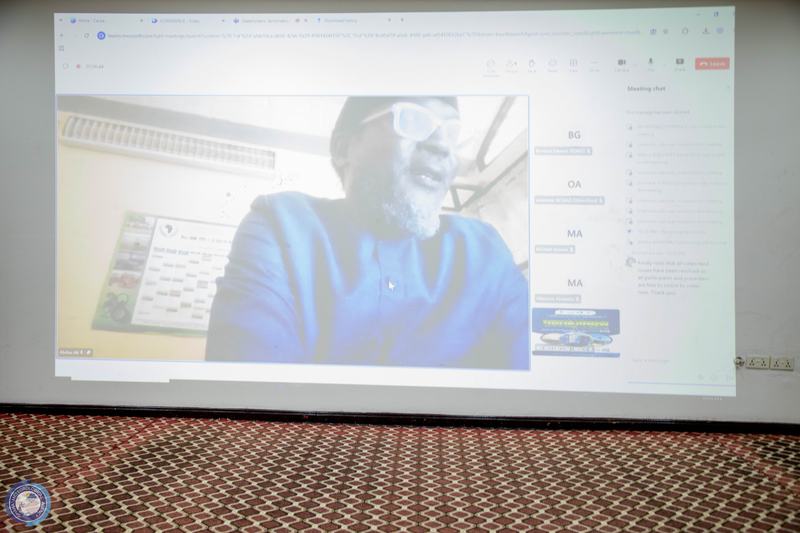
Dr. Abdou Ali, who represented the Director-General of the AGRHYMET Regional Centre and the Head of its Training Department, described the proposed RTC as an important initiative for strengthening capacity development in West Africa and the Sahel.
He said capacity building remained a critical need in the region despite the availability of a young population and opportunities for development.
Dr. Ali highlighted AGRHYMET’s more than four decades of experience as a WMO Regional Training Centre, providing professional training in meteorology, hydrology, agriculture, crop protection, instrumentation and microinformatics.
He said the recent memorandum of understanding between GMet and AGRHYMET provided an opportunity for the two institutions to operate as a network and leverage their respective areas of expertise.
He expressed AGRHYMET’s readiness to share its experience and collaborate with GMet in the establishment and development of the proposed Centre.
The two-day workshop is expected to conclude with agreement on the priority areas for training, institutional and governance arrangements, potential partnerships, financing mechanisms and a roadmap towards the establishment and eventual WMO recognition of the Centre.
©️GMet Communications