

GMet Concludes Training on Cliimate Data, Hydrological Modelling and Early Warning Systems
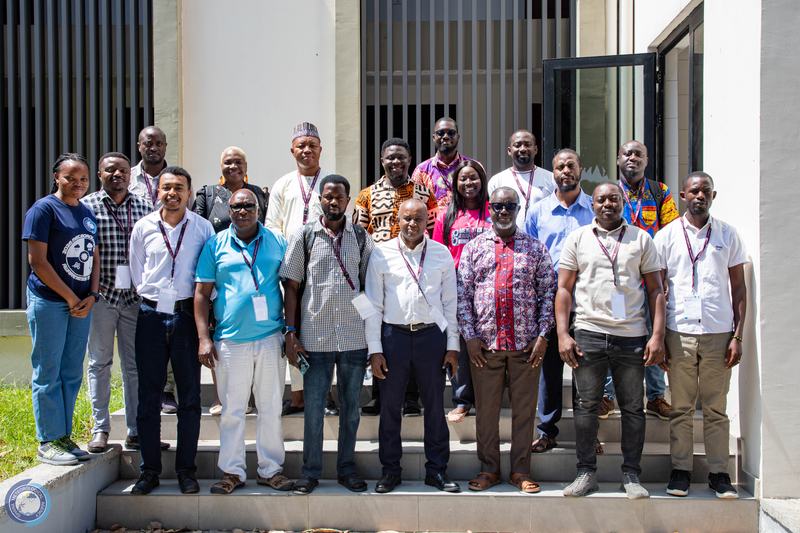
The Ghana Meteorological Agency (GMet) has concluded a five day training programme on Climate Data, Hydrological Modelling and Early Warning Systems, with a call on participants to apply the knowledge acquired to strengthen flood preparedness and protect lives and livelihoods across Africa.
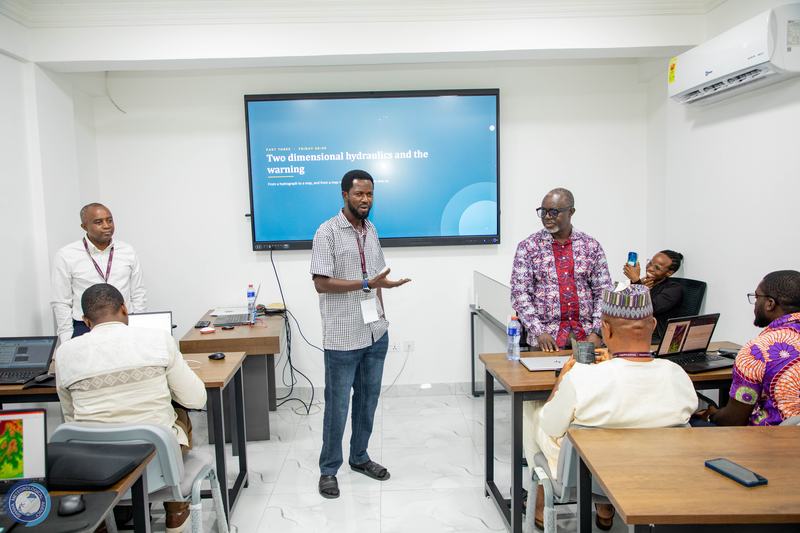
Speaking at the closing ceremony on Friday, 9 October 2026, Director-General of GMet, Dr Eric Asuman, urged participants to translate the skills gained into practical solutions to address flooding and other water related challenges on the continent.
He emphasised the importance of hydrological modelling in improving the understanding of flood risks and supporting timely decisions, expressing the hope that participants would use their newly acquired knowledge to improve early warning and disaster preparedness in their respective countries.
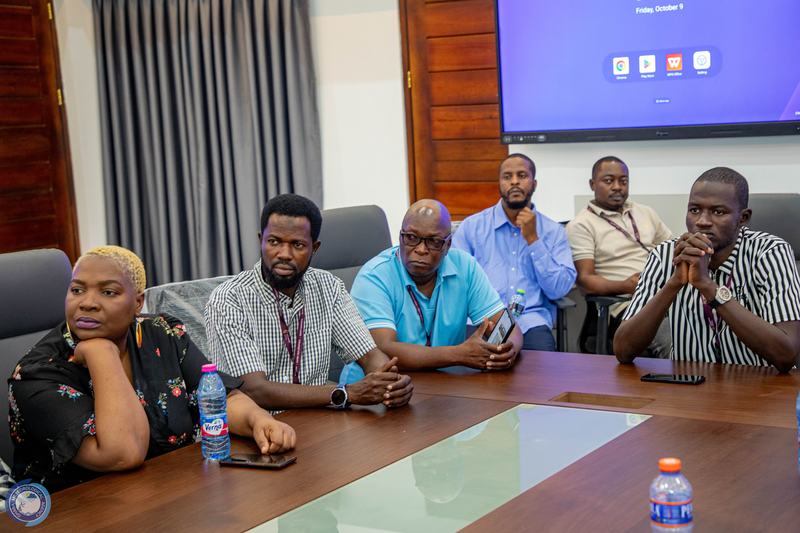
The five day programme brought together participants from across Africa, including representatives from GMet, the Kwame Nkrumah University of Science and Technology (KNUST), the Ghana Hydrological Authority, the National Disaster Management Organisation (NADMO) and the University of Ghana.
Organised by the African Doctoral Academy in collaboration with PERIPERI U and the AUDA-NEPAD Water Centres of Excellence, the programme was hosted by GMet in partnership with the University of Ghana.
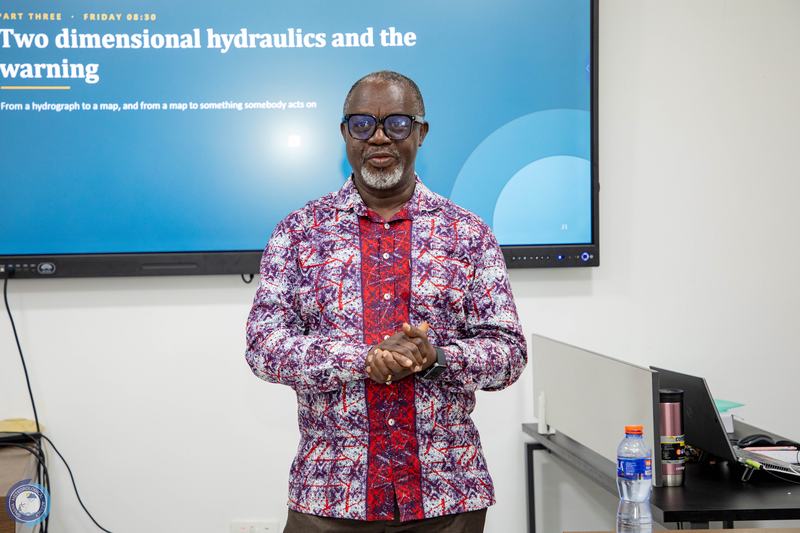
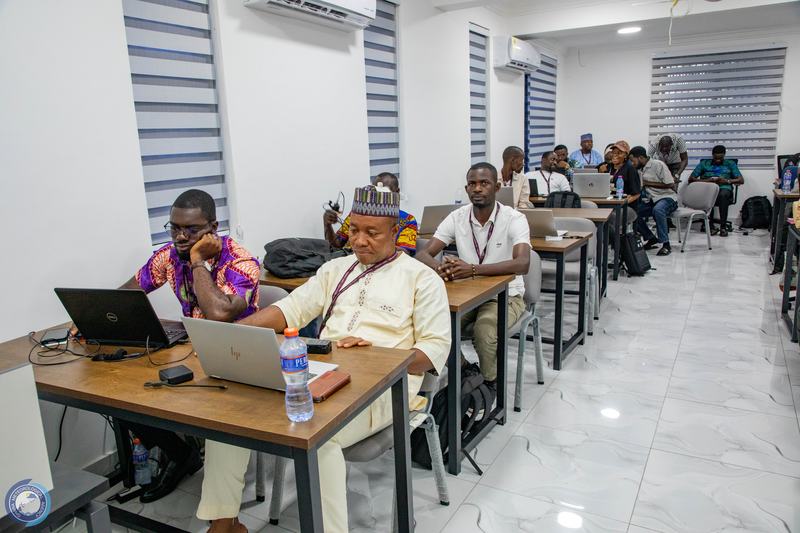
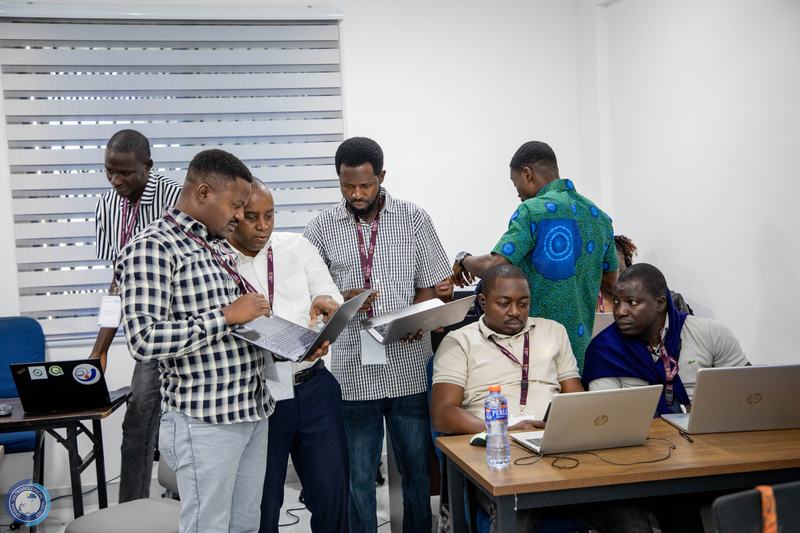
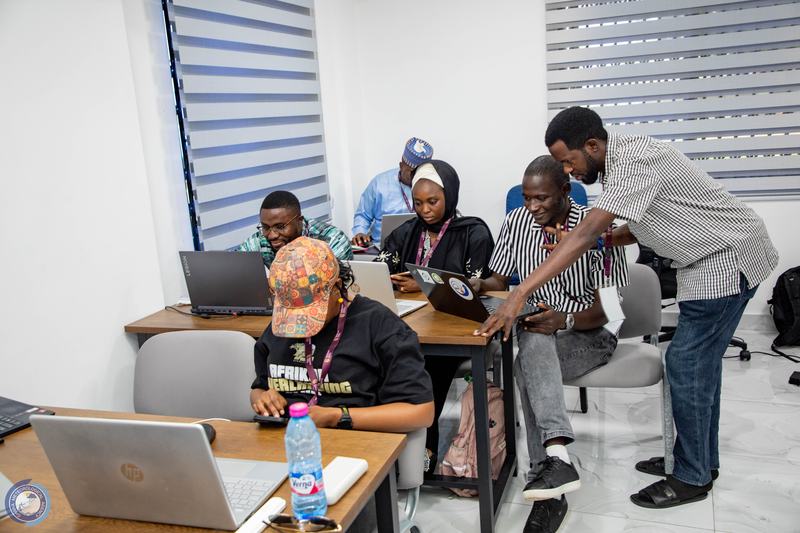
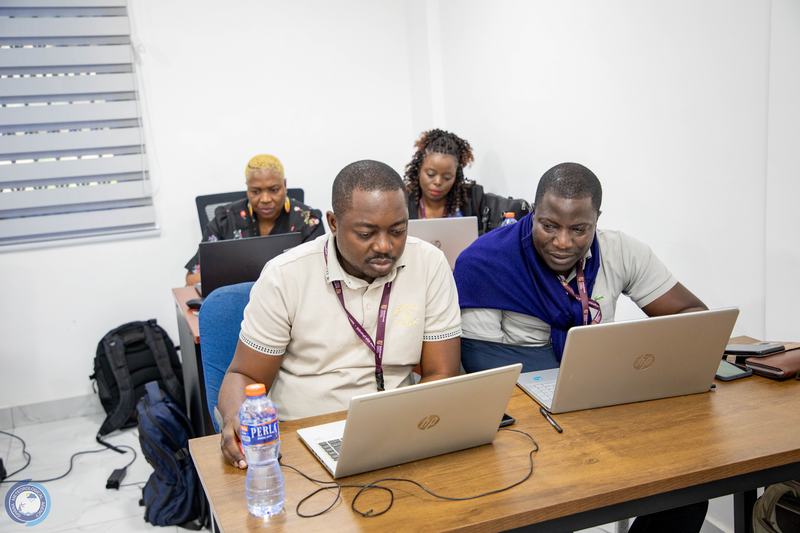
The training combined theoretical sessions with practical exercises in climate data analysis, rainfall runoff modelling and flood risk assessment. Participants worked on a coupled HEC-HMS and HEC-RAS 2D flood model of the Odaw River Basin in Accra, exploring how modelling outputs can inform flood assessment and the development of early warning thresholds.
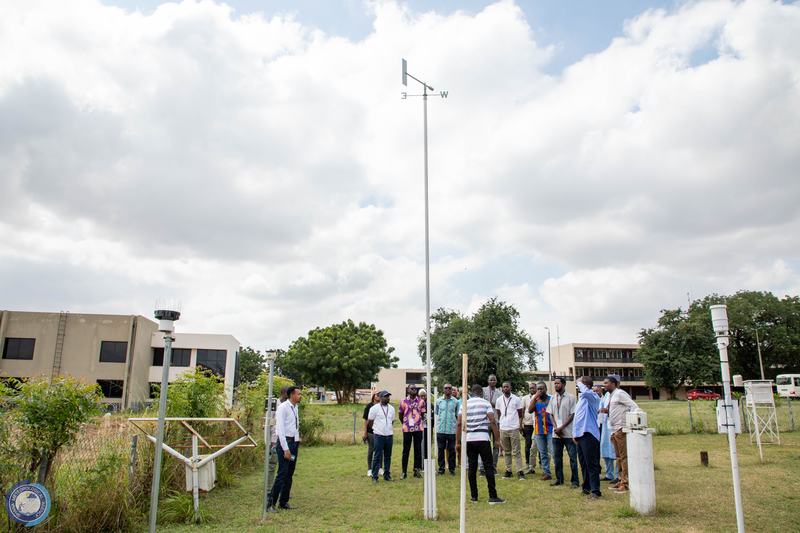
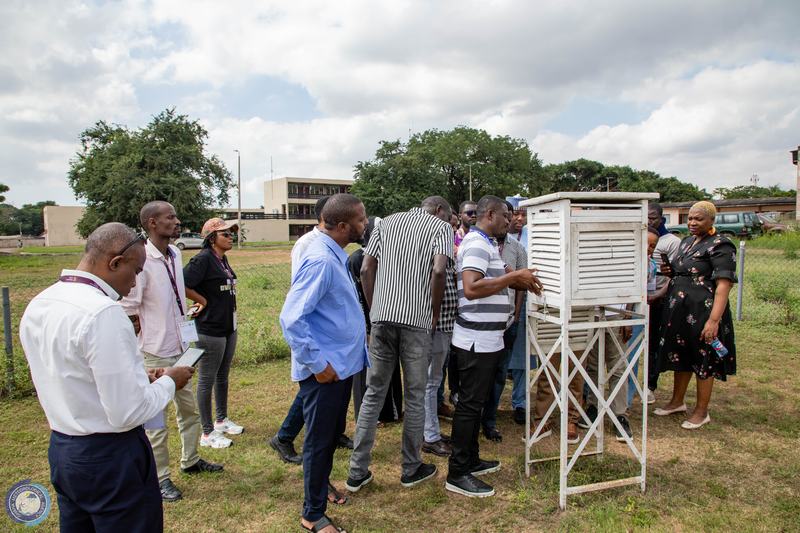
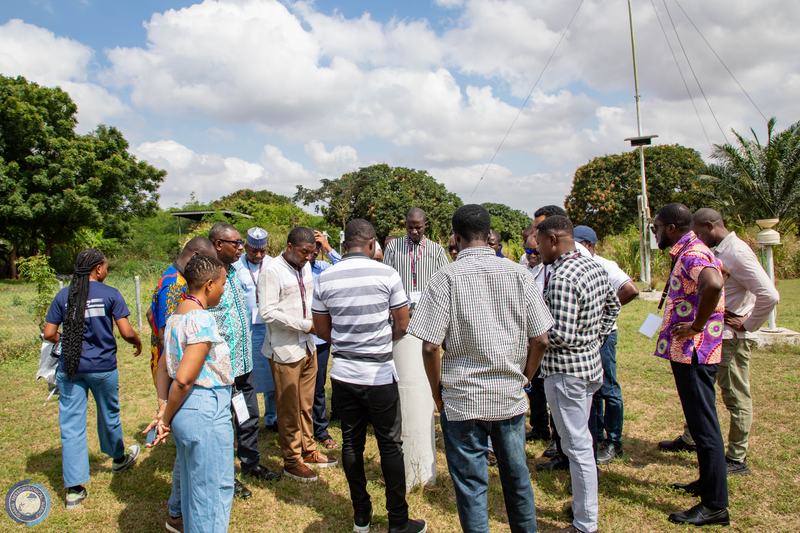
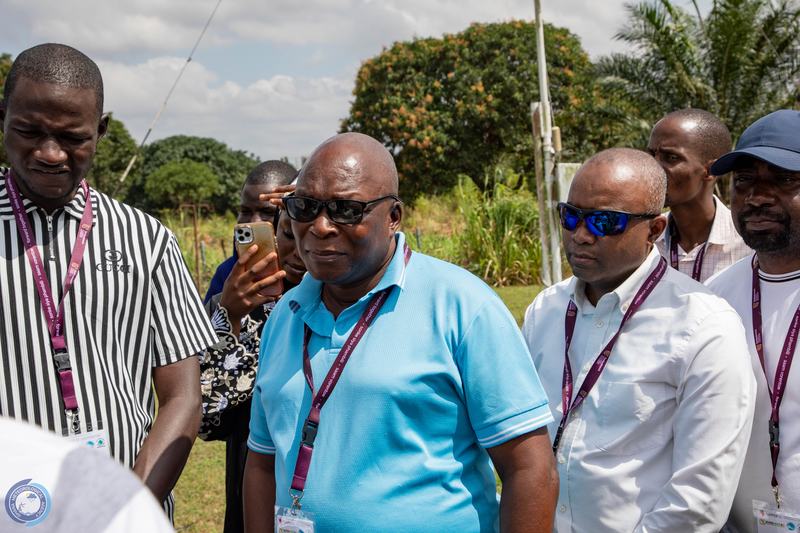
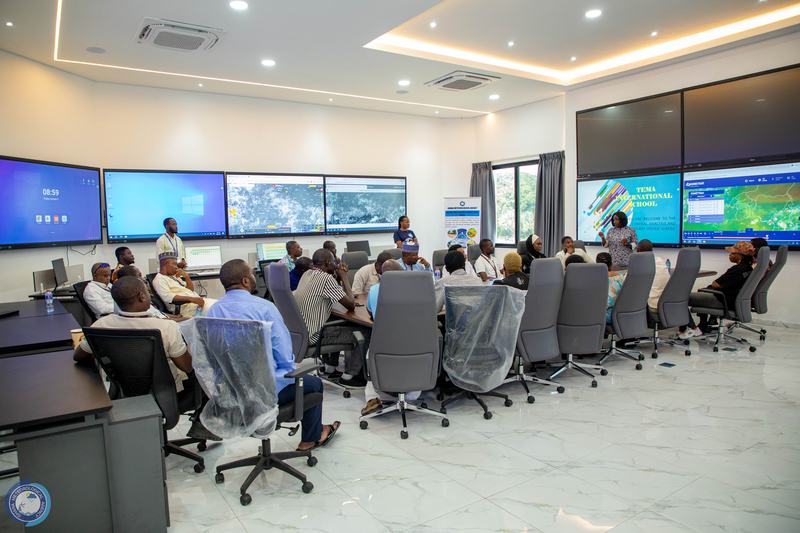
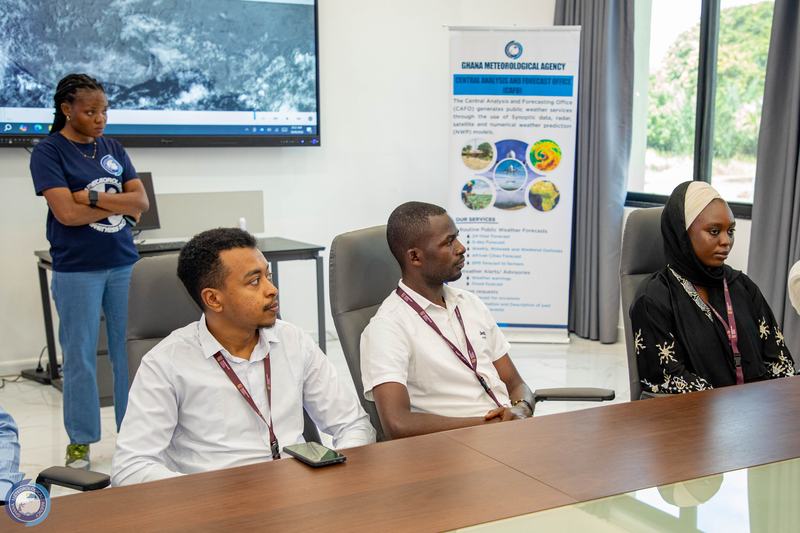
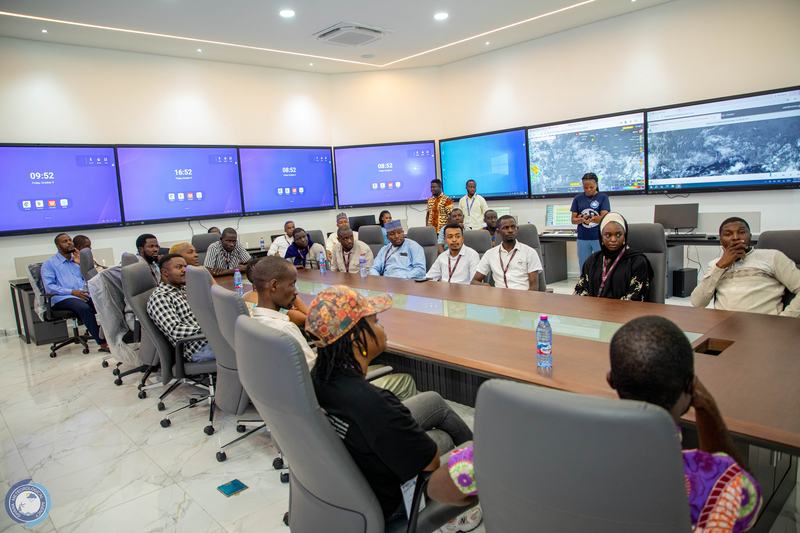
As part of the programme, participants toured GMet’s operational facilities to gain a practical understanding of the Agency’s work. At the observatory, they were introduced to the various instruments used for weather observations and learned about their functions and applications. They also visited the Central Analysis and Forecasting Office (CAFO), where they were taken through the processes involved in analysing weather information and producing forecasts.
The closing of the programme also marked the completion of the first official training cohort hosted in GMet’s new operational building and training facility. The facility forms part of the Agency’s efforts to strengthen professional training and capacity development.
The initiative aligns with GMet’s ambition to position Ghana as a regional centre of excellence for training in meteorology, climatology, hydrology and early warning systems, with the longer term goal of attaining recognition as a World Meteorological Organization Regional Training Centre.
The knowledge and experience gained are expected to support stronger institutional capacity, improved flood risk management and greater collaboration among professionals working in climate, water and disaster risk reduction across Africa.

©️GMet Communications