

GMet Engages NDPC on Climate Atlas Application for National Development Planning
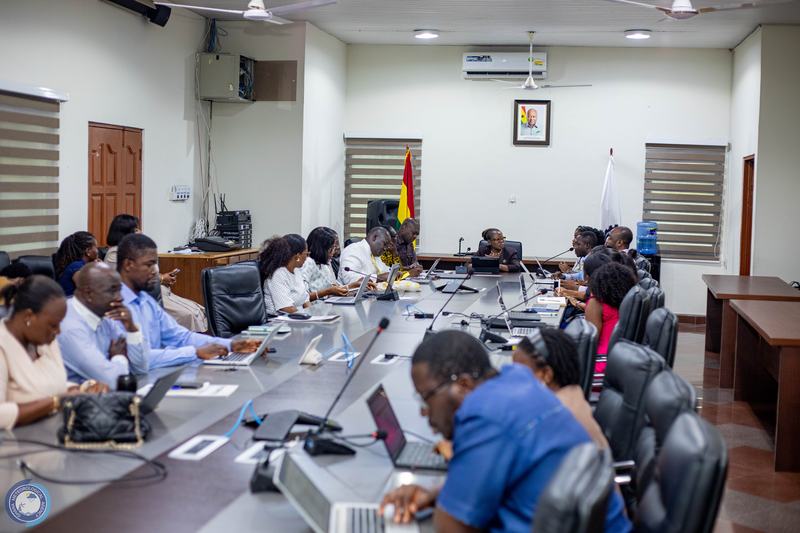
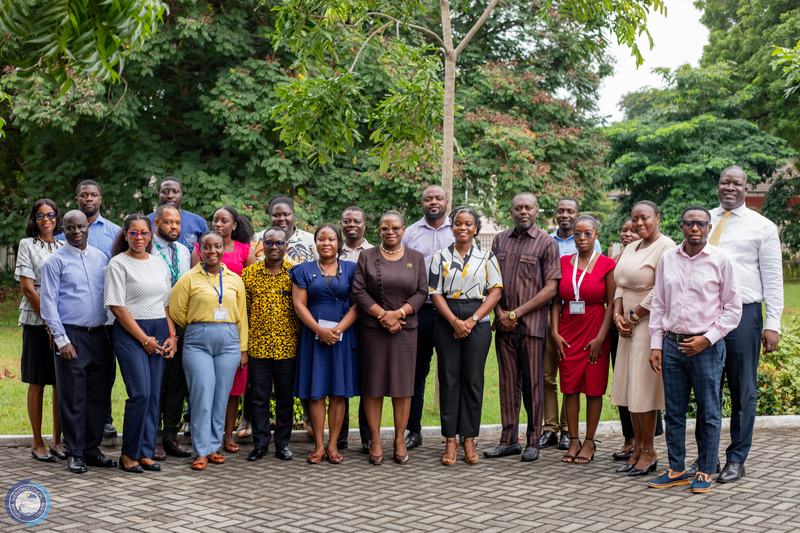
The Ghana Meteorological Agency (GMet) has engaged the National Development Planning Commission (NDPC) to explore practical applications of the Ghana Climate Atlas in national development planning, marking another step in the Agency's efforts to mainstream climate information into public policy and decision-making.
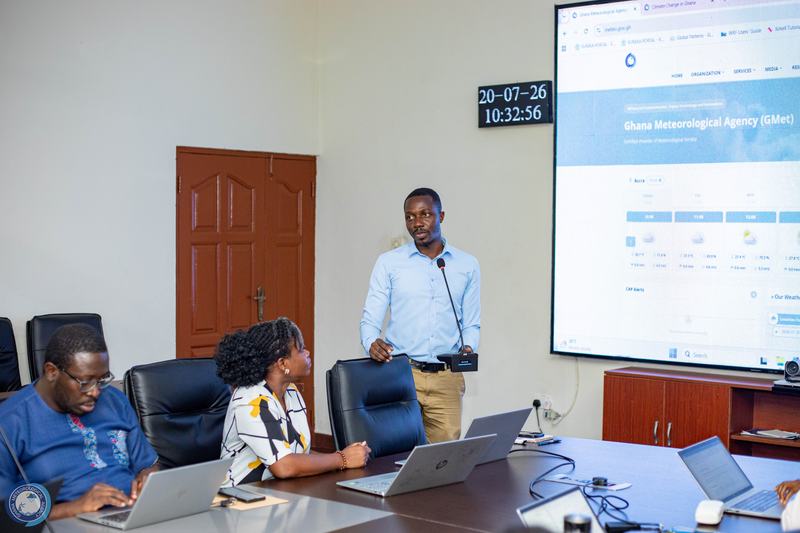
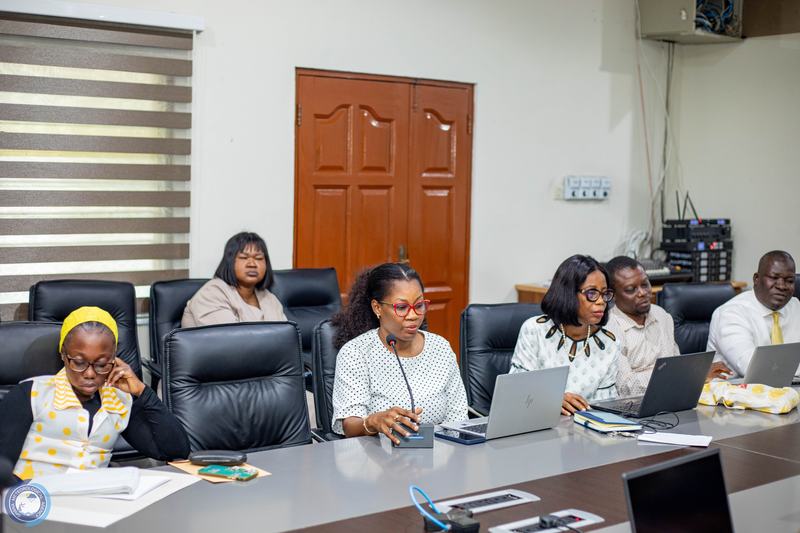
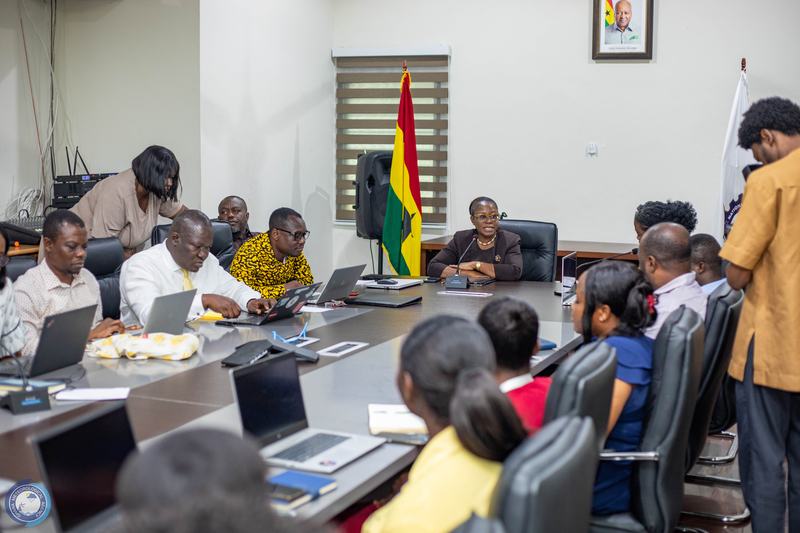
The engagement, held on Monday, July 20, 2026, formed part of GMet's stakeholder outreach to demonstrate how the Climate Atlas can support planning at the national, regional and district levels while gathering user feedback to improve the platform's relevance to institutional needs.
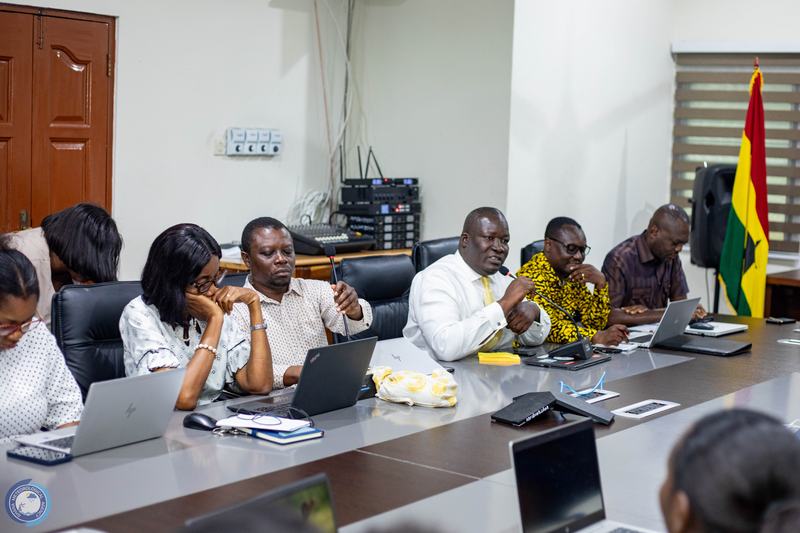
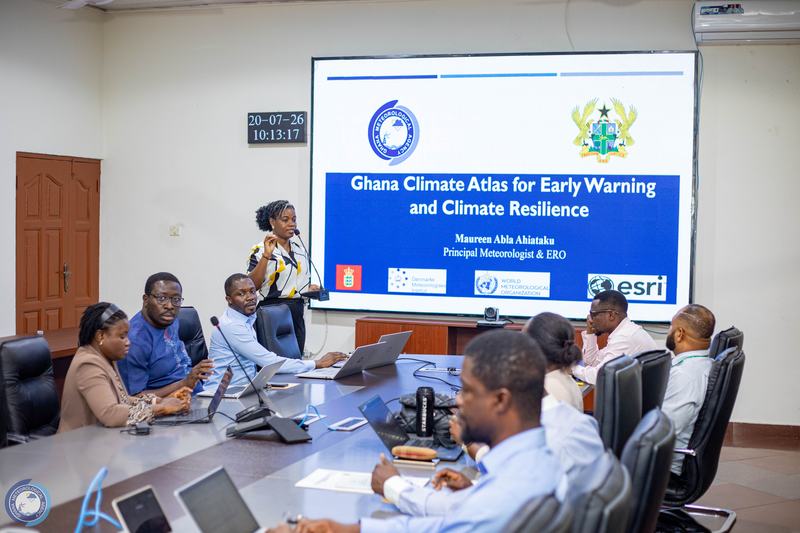
Leading the GMet delegation, Principal Meteorologist Ms. Maureen Abla Ahiataku said the visit was intended not only to introduce the Climate Atlas to the Commission but also to understand how the platform could be integrated into NDPC's planning processes.
She explained that GMet is engaging key institutions whose mandates depend on climate information to jointly develop practical use cases that ensure the Atlas responds to real policy and operational requirements.
“We do not only want to demonstrate the platform, we also want to understand how institutions like NDPC work so that the Climate Atlas can support your day-to-day planning and decision-making,” she noted.
Ms. Ahiataku said feedback from users remains central to the continued development of the platform, adding that GMet is committed to refining the Atlas to meet the needs of planners, policymakers and other climate information users.
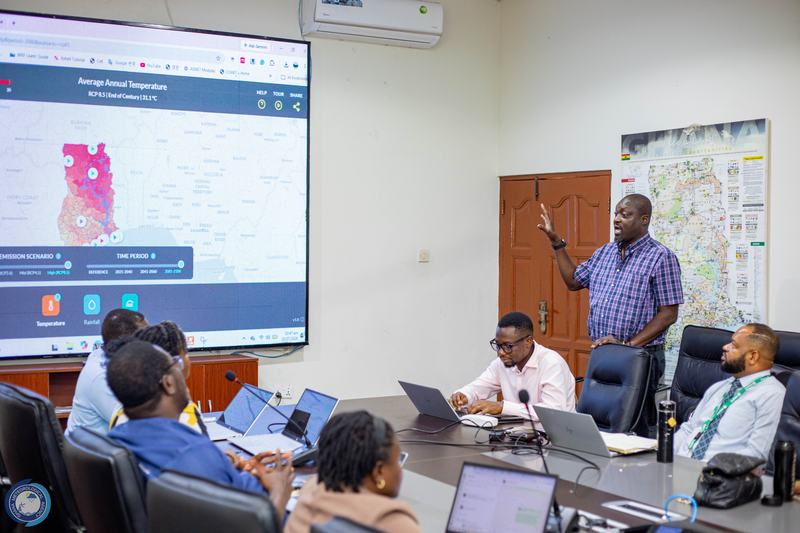
The Ghana Climate Atlas, launched in March 2026 with support from the Embassy of Denmark through the Danish Meteorological Institute, provides historical climate information and future projections on rainfall, temperature and sea-level rise under different emission scenarios. The platform allows users to assess projected climate conditions at the national, regional, and district levels.
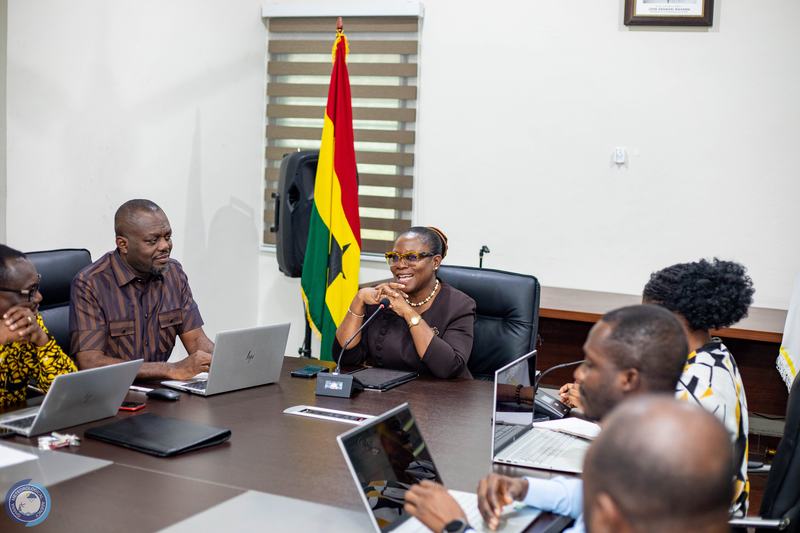
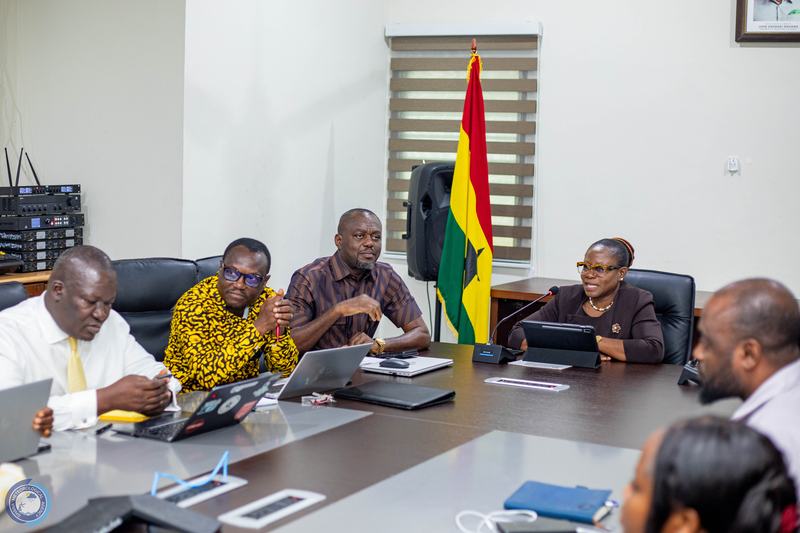
Receiving the delegation, Director-General of the National Development Planning Commission, Dr. Audrey Smock Amoah, said the engagement came at an important time as the Commission is developing Ghana's long-term national development plan.
She noted that climate information would be critical to the country's future planning agenda and said the Climate Atlas has the potential to strengthen evidence-based planning, monitoring and reporting.
According to Dr. Amoah, GMet's work cuts across various sectors and has implications for every dimension of national development, including economic growth, social development, governance, environmental sustainability and Ghana's international commitments.
She therefore encouraged the Agency to align relevant climate indicators with the Commission's emerging national results framework and Sustainable Development Goals reporting processes to ensure climate considerations are embedded across national planning systems.
The Director-General stressed that collaboration between GMet and NDPC was essential, describing it as a necessary partnership rather than an optional one given the cross-cutting nature of climate information.
She also stressed the importance of ensuring that weather and climate information reaches people in time to inform decisions. Dr. Amoah said timely access to weather information could significantly reduce disaster risks and improve public preparedness.
She disclosed that the Commission would formally engage GMet to define areas of collaboration and support the development of practical use cases for integrating climate information into national planning, implementation and reporting frameworks.
Responding, Ms. Ahiataku welcomed the Commission's commitment and reaffirmed GMet's readiness to work closely with NDPC throughout the process.
She said the Agency would continue to provide scientific climate information and technical support while working with partner institutions to ensure the Climate Atlas evolves in response to user needs and contributes meaningfully to climate-resilient development planning in Ghana.
The engagement forms part of GMet's broader programme of institutional outreach following the launch of the Ghana Climate Atlas, with similar engagements expected to strengthen the adoption and application of climate information across sectors.



©️GMet Communications