GMet Holds Maiden Annual General Meeting, Outlines Plans to Strengthen Meteorological Services
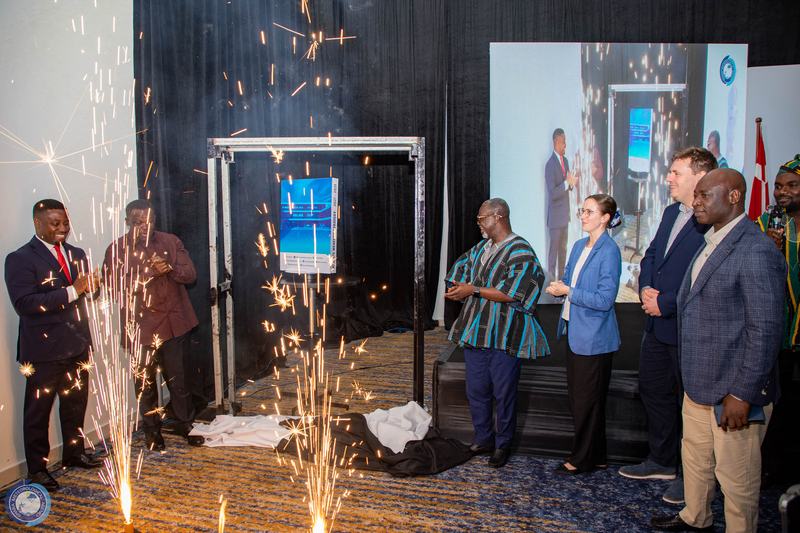
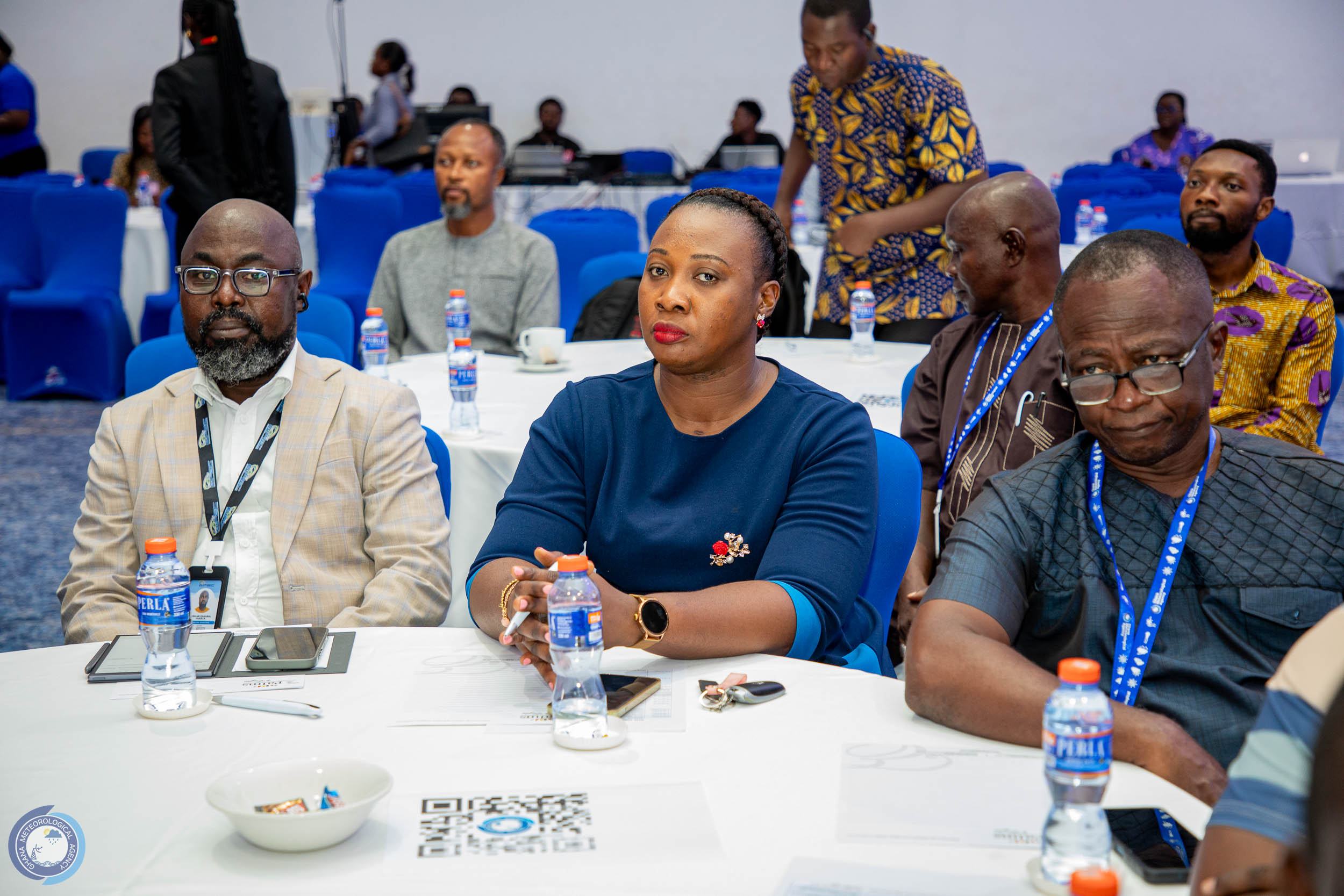
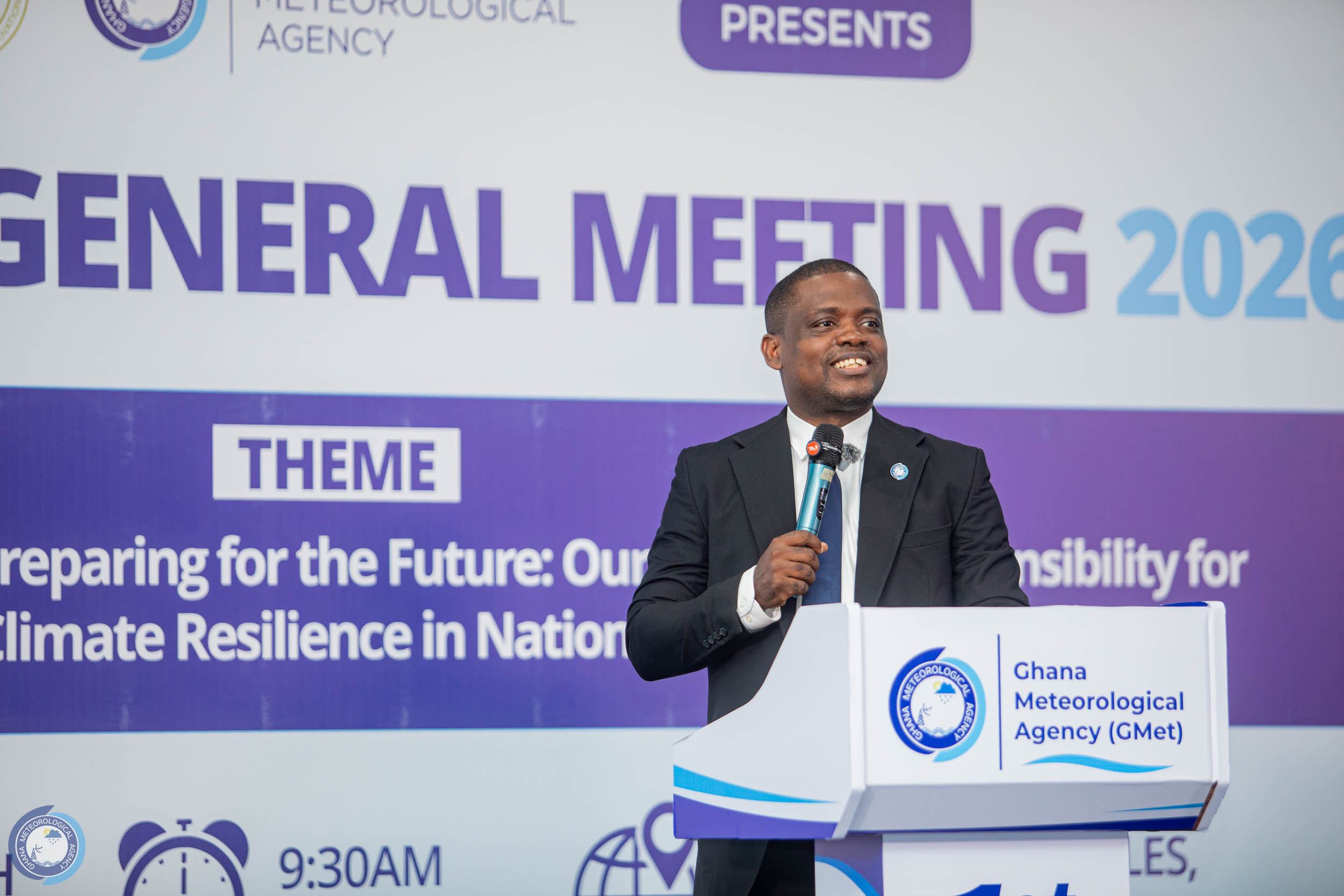
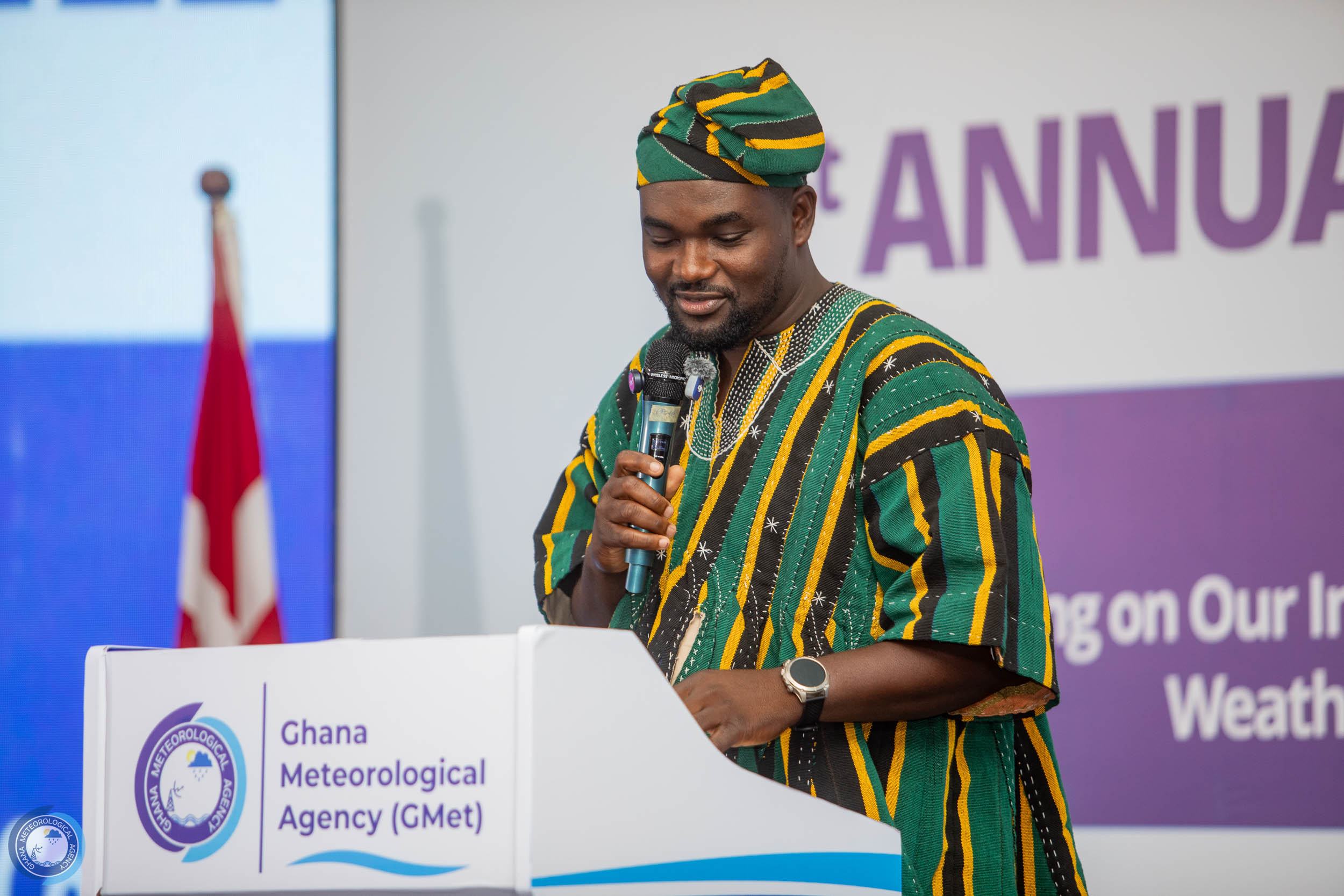
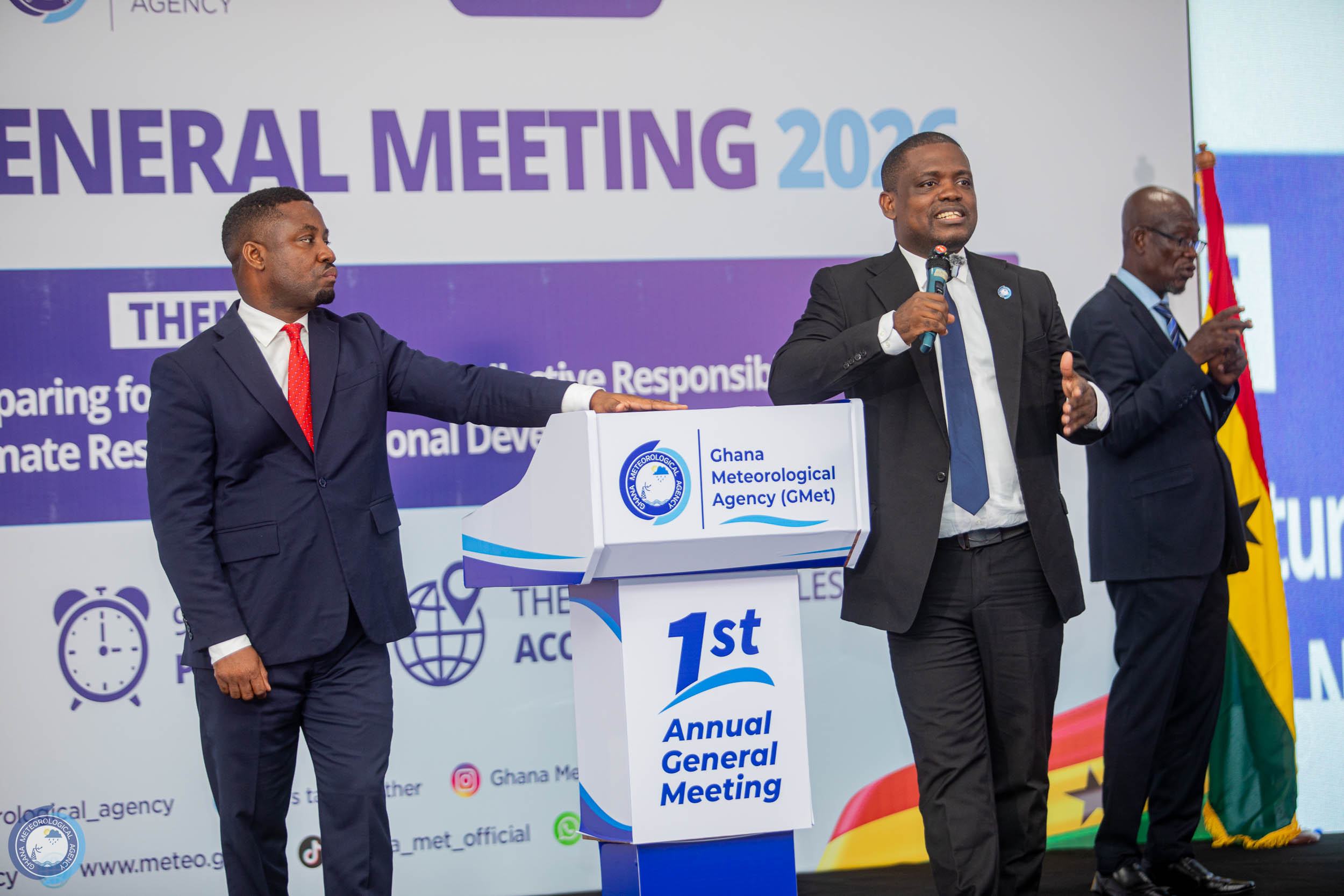
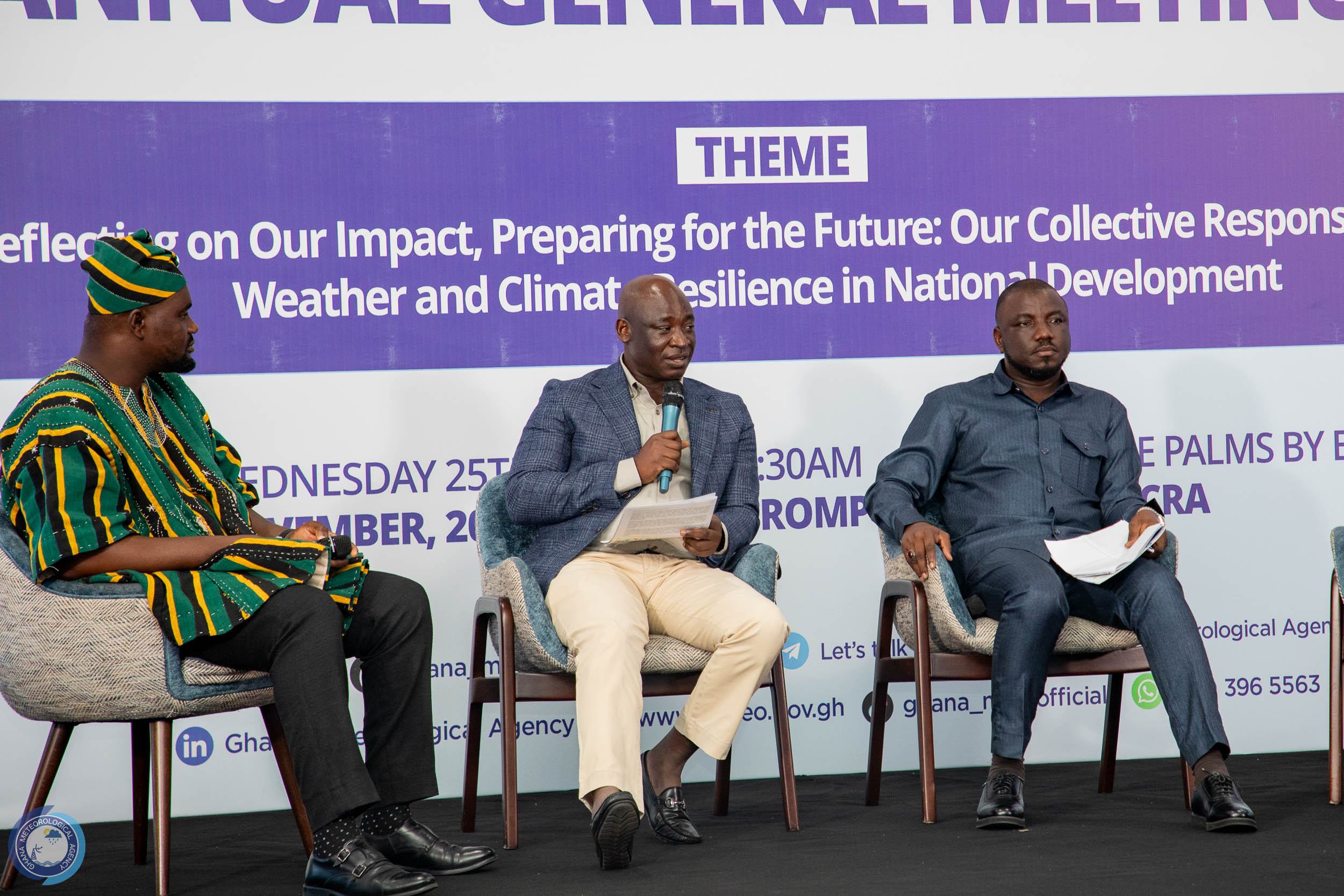
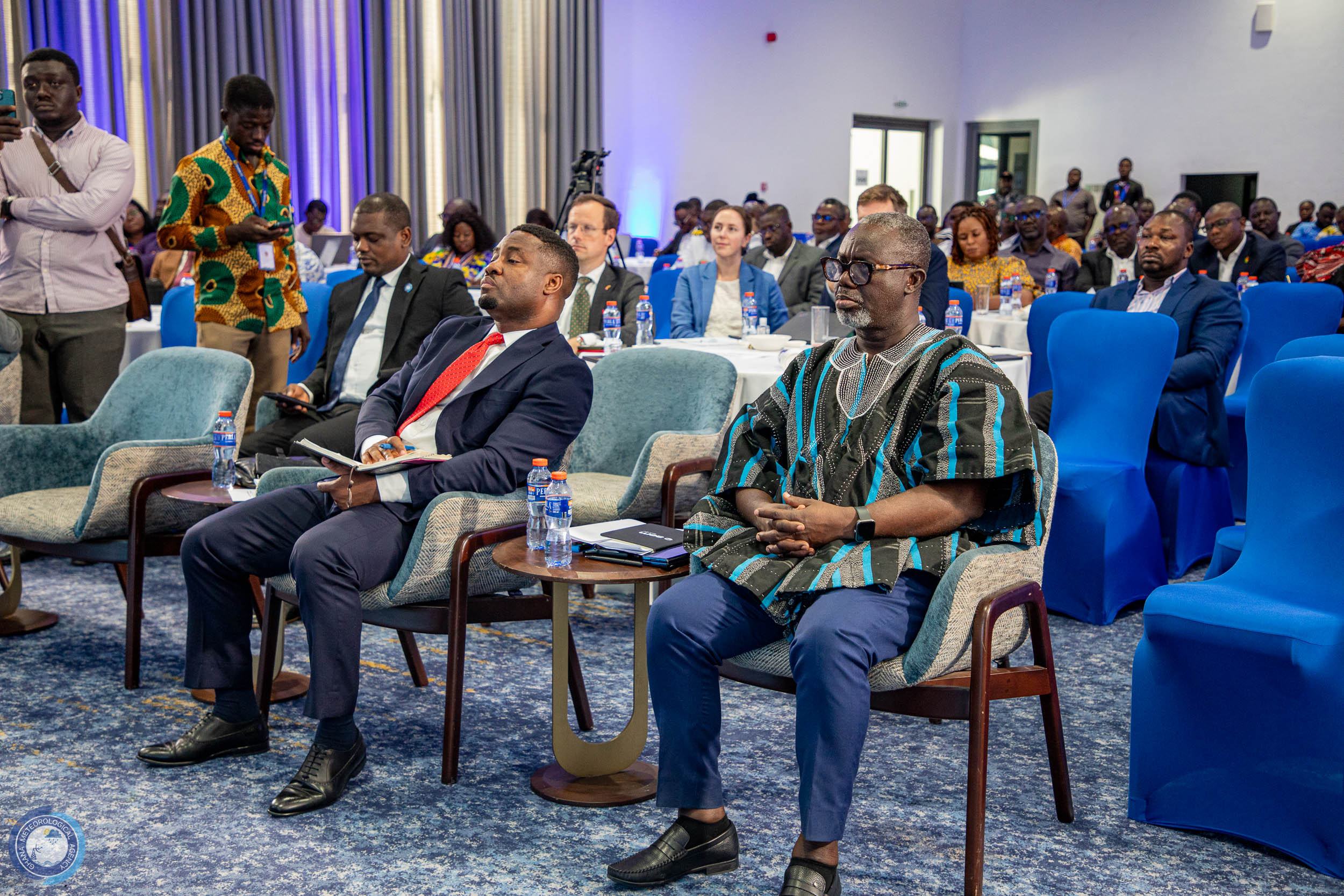
The Ghana Meteorological Agency (GMet) has held its maiden Annual General Meeting (AGM), bringing together key stakeholders, management, staff and industry players to review the Agency's performance, address institutional challenges and discuss its strategic direction for the future.
The meeting, held on Wednesday, November 25, 2026, at The Palms by Eagles Hotel in Accra, provided an opportunity for the Agency to take stock of its operations and reaffirm its commitment to delivering reliable weather and climate information in support of national development.
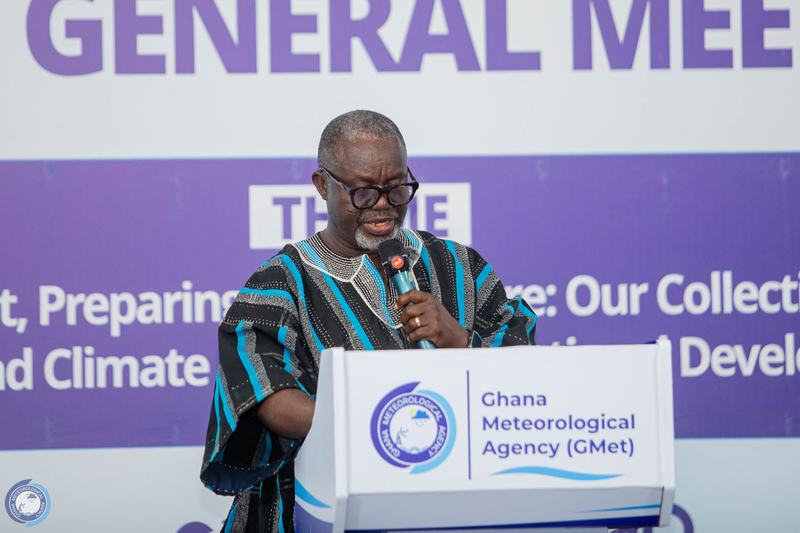
Addressing the gathering, the Director-General of GMet, Dr Eric Asuman, called for sustained investment in weather observation equipment, forecasting technology and professional training to strengthen the country's ability to predict extreme weather events and safeguard lives and property.
He noted that meteorological information had become increasingly important to several sectors of the economy, including agriculture, aviation, fisheries, energy, water resources, construction and disaster management.
According to him, weather forecasting goes beyond informing the public about expected rainfall or sunshine. It plays a critical role in helping farmers make informed decisions, supporting aviation safety, guiding economic activities and enabling communities to prepare for potentially dangerous weather conditions.
Dr Asuman disclosed that despite significant rainfall and related weather challenges during the year, the Agency maintained uninterrupted operational services and produced more than 3,259 weather forecasts between January and September 2025.
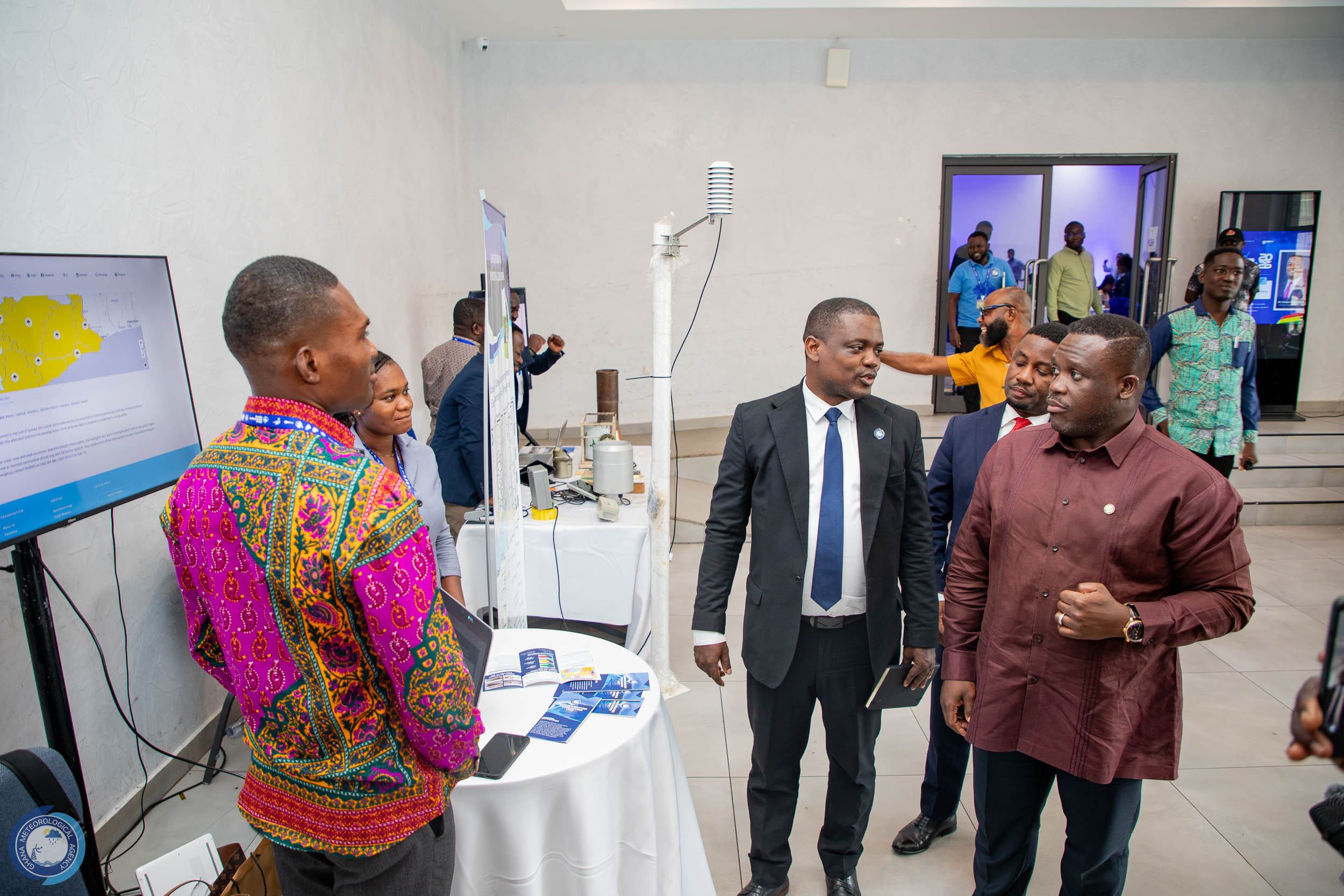
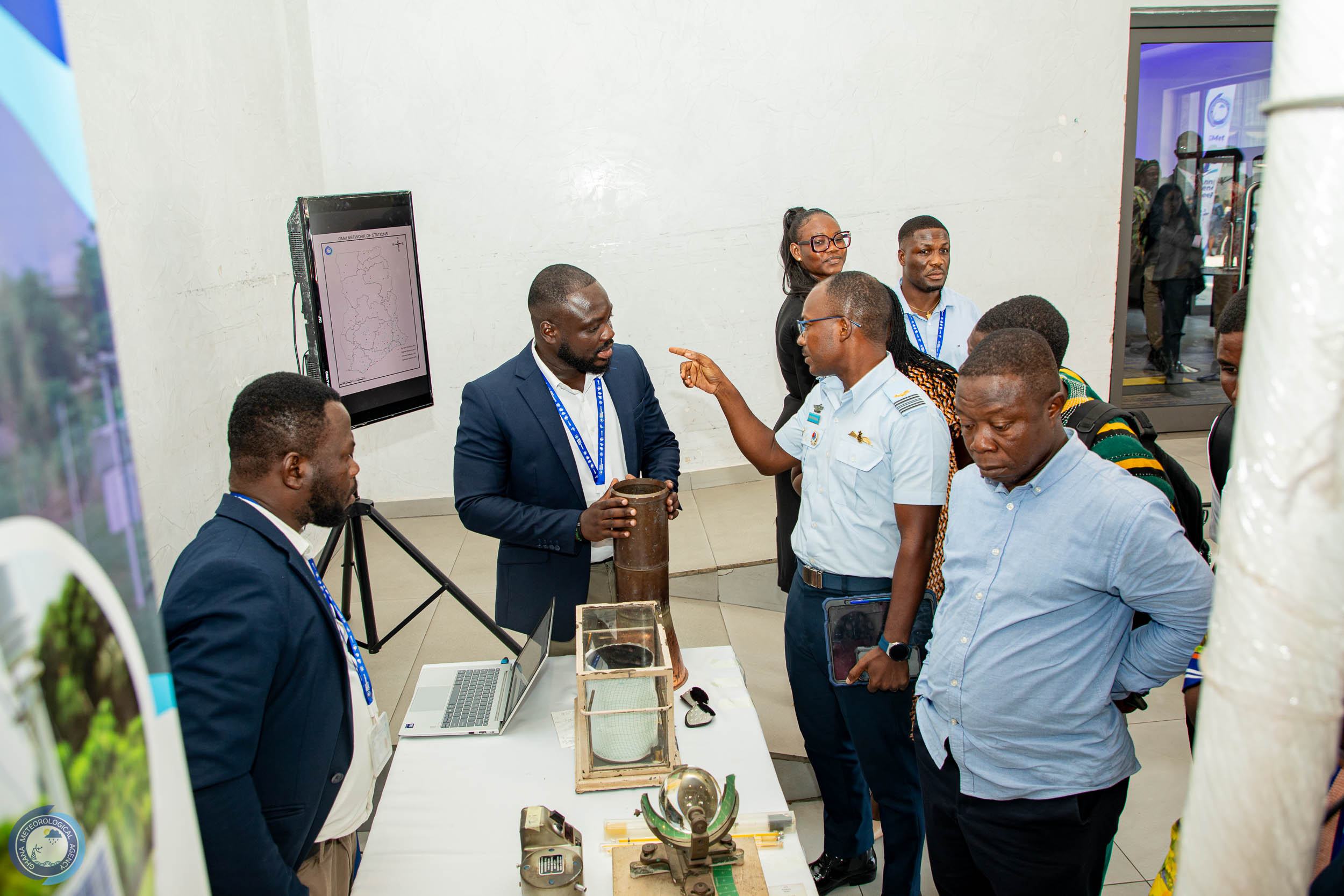
He further highlighted ongoing efforts to strengthen GMet's forecasting systems, improve the presentation of weather information and expand its technical capacity through partnerships with institutions such as the Danish Meteorological Institute. He also underscored the need to strengthen the Agency's observation network and explore emerging technologies, including artificial intelligence and machine learning, to improve forecasting capabilities.
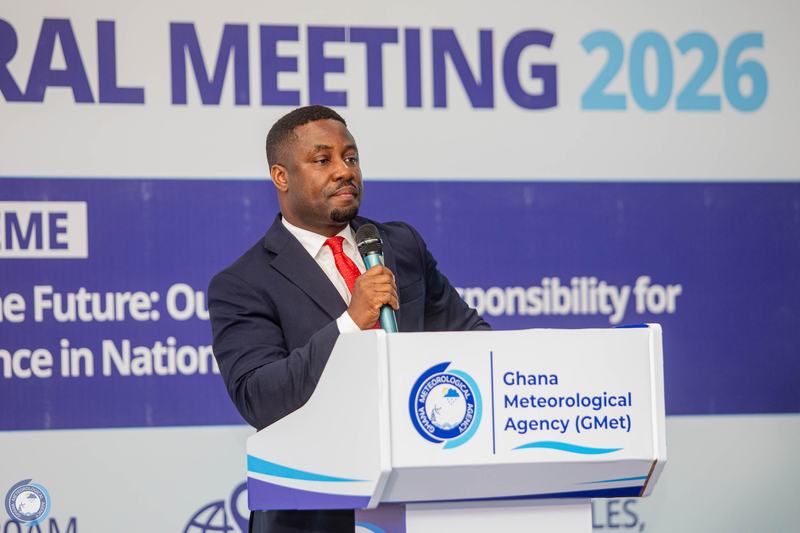
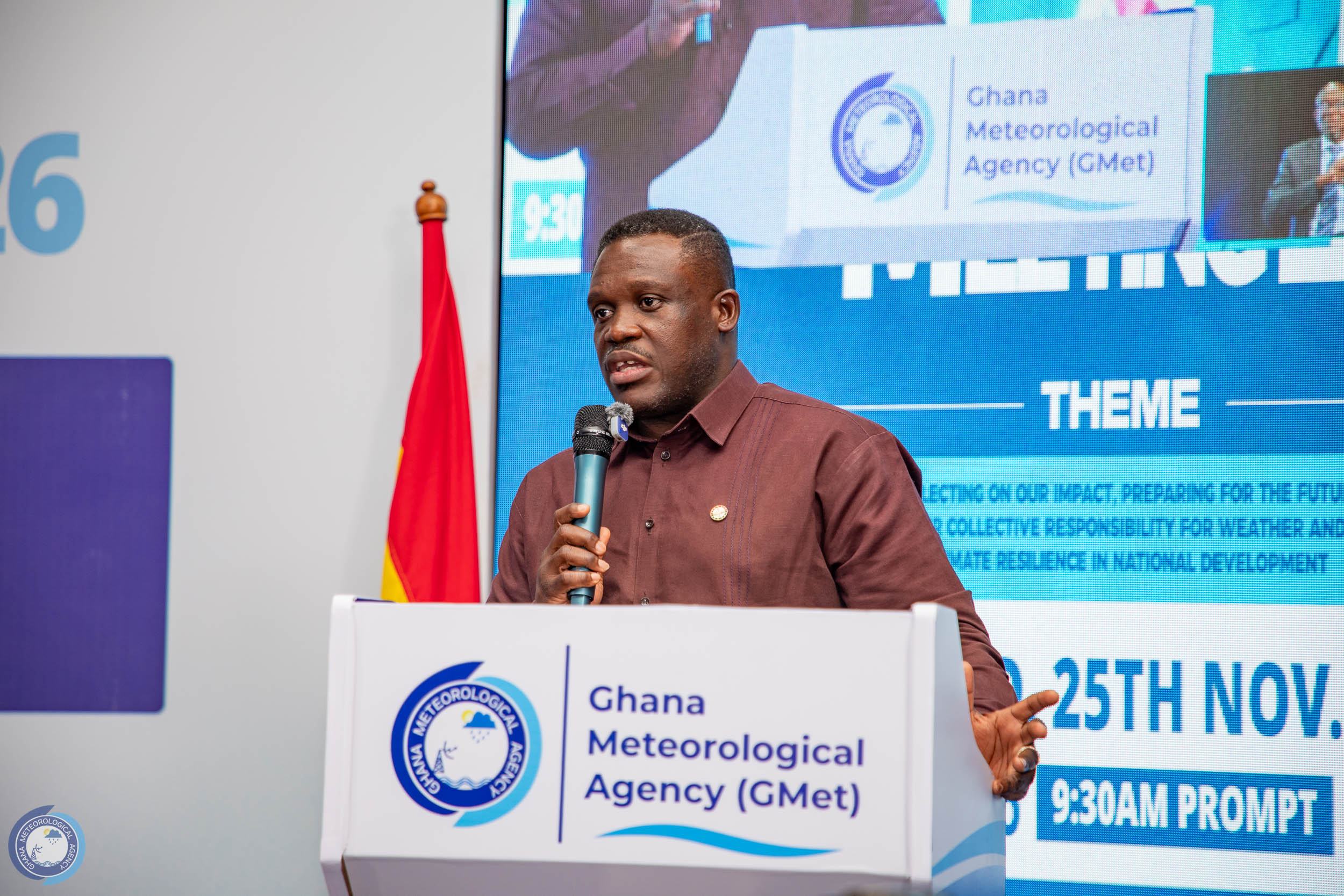
On his part, the Chairman of the GMet Governing Board, Mr Selassie Woanyah, outlined a number of initiatives being pursued to strengthen the Agency's institutional capacity and improve service delivery.
Among these is a five-year strategic plan developed following a comprehensive review of the Agency's operations, institutional needs and capacity gaps. The plan is expected to guide investment in critical infrastructure, staff development and organisational improvement.
A key highlight is the proposed establishment of a Regional Training Centre specialising in aviation and marine meteorology. The initiative is expected to position Ghana as a destination for specialised meteorological training in West Africa. According to the Board Chairman, a consultant has been appointed, with processes underway to secure approval from the World Meteorological Organization (WMO). The Agency is hopeful of operationalising the centre by February 2027.
Other measures include the review and approval of key institutional policies, particularly in training and travel, improved engagement with the workers' union and ongoing efforts to resolve a longstanding dispute with a key aviation authority.
Mr Woanyah expressed appreciation to the Government of Denmark, the Danish Meteorological Institute and other development partners for their continued support towards strengthening the Agency's operations and institutional development.
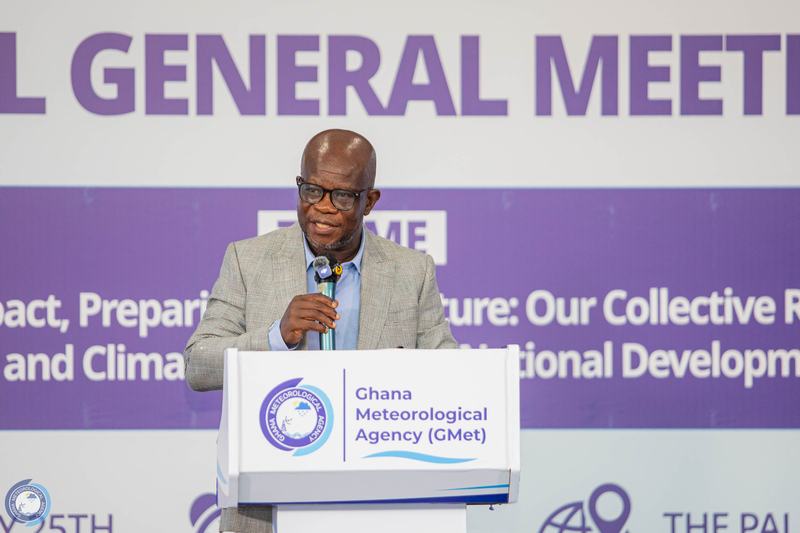
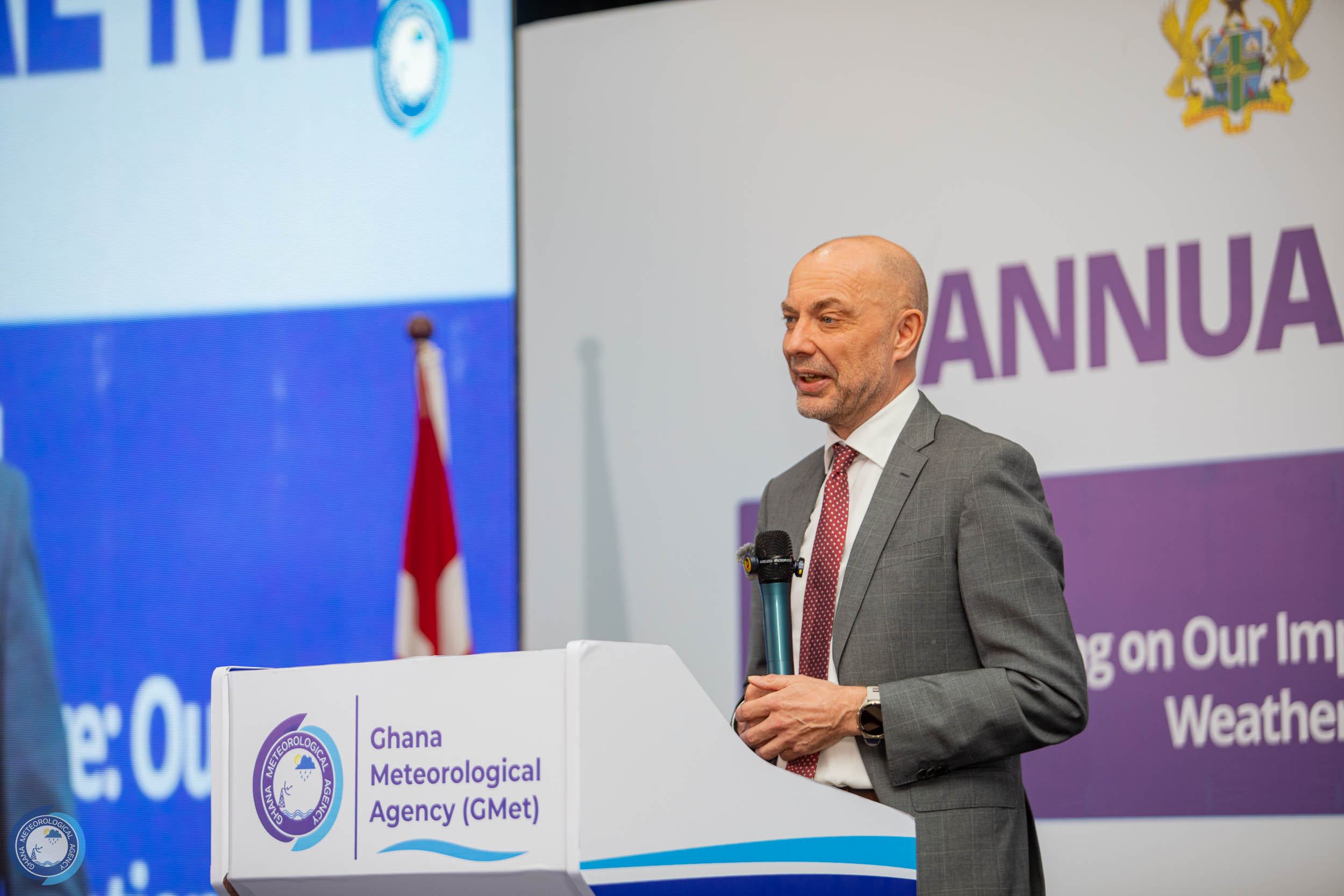
Meanwhile, the Director-General of the State Interests and Governance Authority (SIGA), Professor Michael Kpessa-Whyte, commended GMet for the progress made in operational performance, efficiency and governance but urged the Agency to address weaknesses in its financial and economic performance.
He identified five priority areas requiring attention: stronger financial discipline and revenue mobilisation, modernisation of meteorological infrastructure, improved data systems and the application of artificial intelligence, strengthened human and technical capacity, and enhanced performance management and accountability.
Professor Kpessa-Whyte stressed that the sustainability of the Agency's operational gains would depend largely on its ability to improve revenue generation, strengthen cash-flow management and exercise greater expenditure discipline.
He also encouraged GMet to explore opportunities to provide specialised meteorological and climate services to institutional clients in sectors such as aviation, agriculture, insurance, mining, construction and telecommunications, while ensuring that essential public weather warnings remain accessible to all.
He further called for the effective implementation of revenue provisions under the Ghana Meteorological Agency Amendment Act, 2019 (Act 1002), particularly those relating to aviation-related charges and taxes due the Agency.
The SIGA Director-General emphasised that reliable weather information was critical to national development and that investment in forecasting and early warning systems should be viewed as an investment in the protection of lives, livelihoods and the national economy.
The maiden AGM marked an important step in GMet's institutional development, providing a platform for management, the Governing Board and key stakeholders to reflect on the Agency's achievements, confront existing challenges and identify practical measures for improvement.
As weather and climate risks continue to influence livelihoods, businesses and national planning, the discussions underscored the need for a well-resourced, technologically advanced and professionally equipped meteorological service capable of responding to the country's growing needs.
©️GMet Communications