

GMet Hosts ActionAid Ghana, Habitat for Humanity International Delegation on Coastal Resilience Project
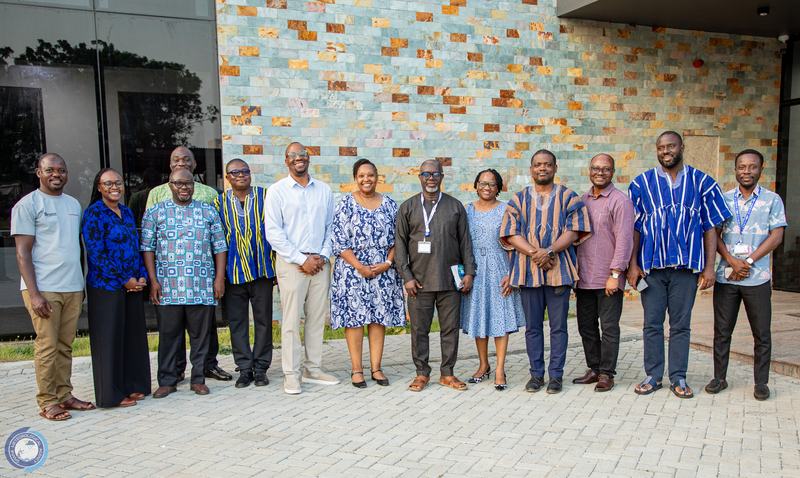
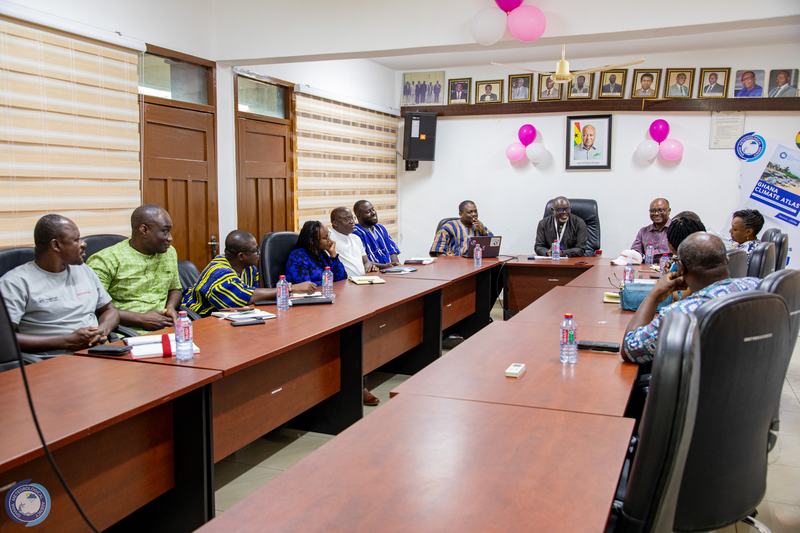
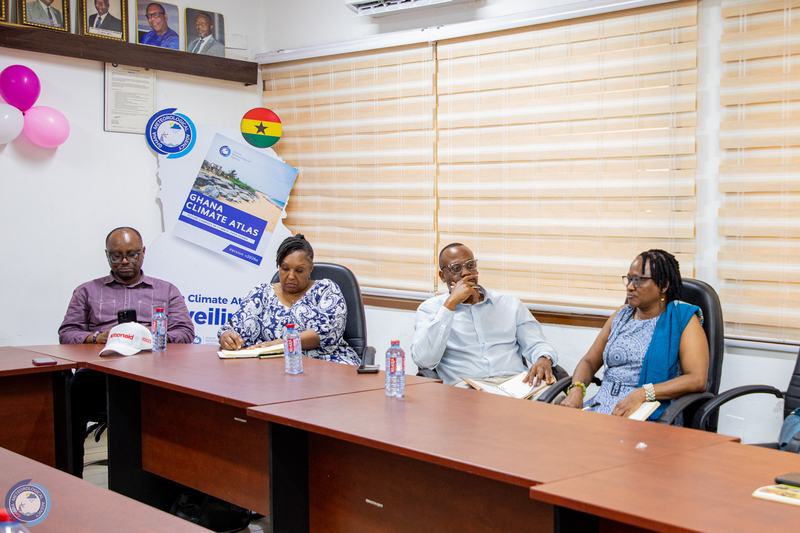
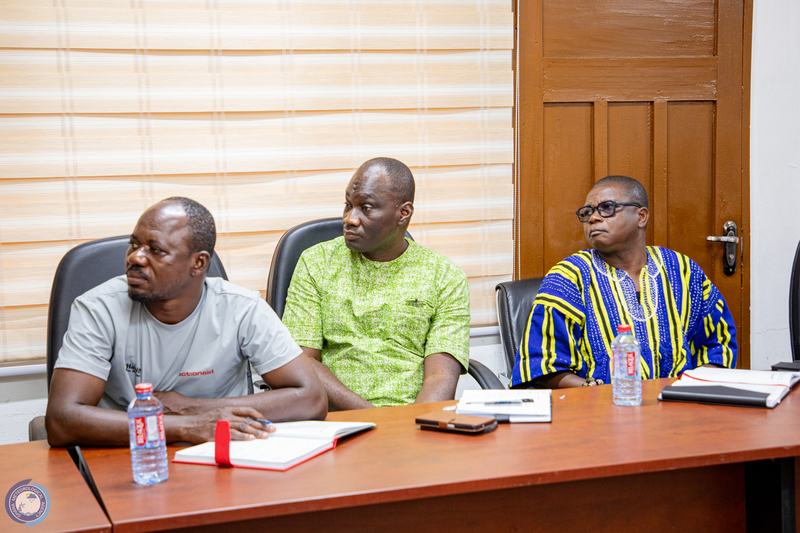
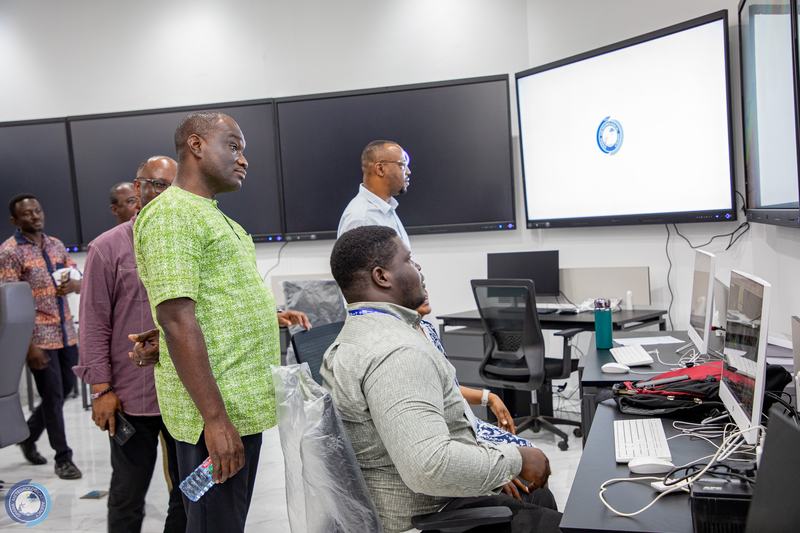
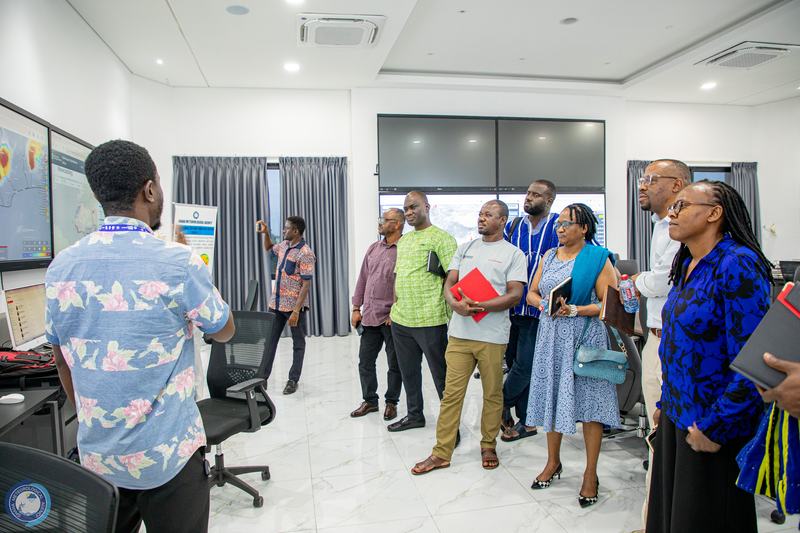
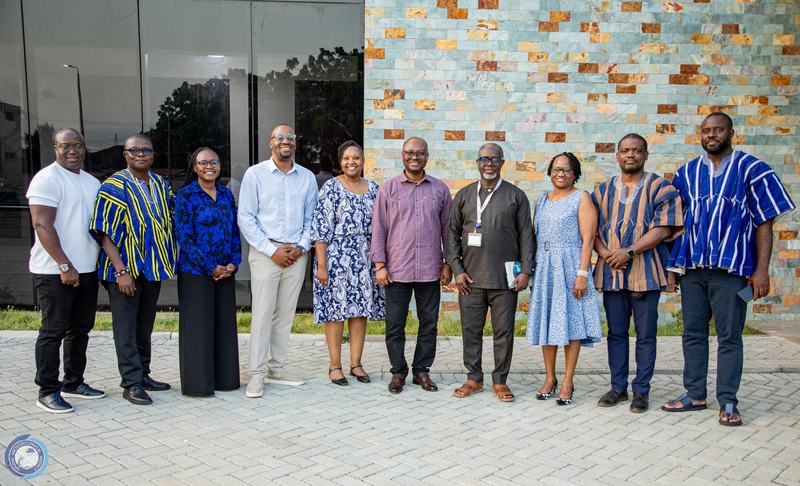
The Ghana Meteorological Agency (GMet) on Friday, 23rd October 2026, hosted a 12-member joint delegation from ActionAid Ghana and Habitat for Humanity International for a familiarisation visit to discuss the Agency’s role in the implementation of the Improved Resilience of Coastal Communities (IRCC) project.
The delegation, led by Country Director of ActionAid Ghana, John Nkaw, visited GMet as part of ongoing engagements between the institutions to strengthen collaboration on the project’s early warning systems component.
The team was received by Dr. Eric Asuman, Director-General, and Deputy Director-General in charge of Operations, Dr. Ignatius Kweku Williams, who briefed them on the Agency’s work and its role in providing weather and climate information to support national development and disaster preparedness.
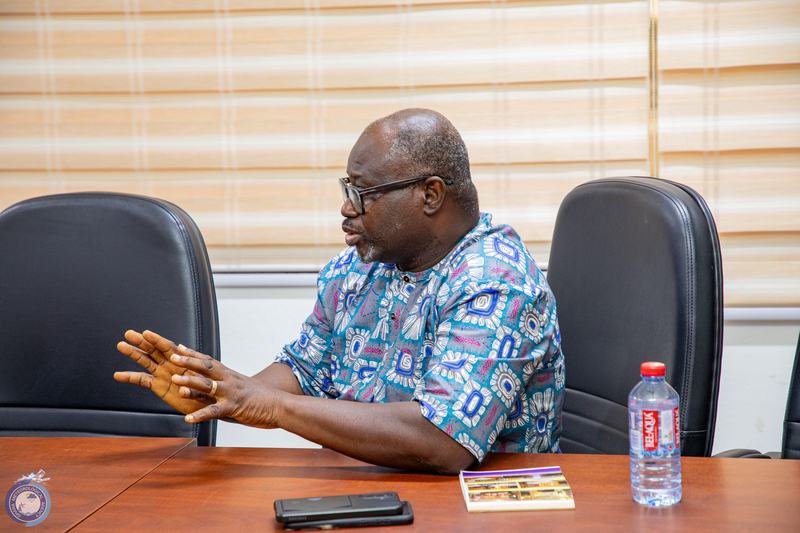
In his welcome remarks, Dr. Asuman said GMet was the institution mandated by the state to provide weather and climate services for Ghana’s socio-economic development, making it a key partner in initiatives aimed at building climate resilience.
He noted that GMet’s responsibility covered a wide range of weather and climate services, including early warnings, and that the Agency also had a regulatory role in the establishment and operation of meteorological stations in the country.
He said development partners seeking to make a lasting impact through climate-related projects needed to work closely with GMet to ensure that investments were properly planned and that the Agency’s technical capacity was strengthened to sustain them.
Dr. Asuman explained that GMet was continuing to evolve and improve its services and was open to working with partners who shared its goal of strengthening weather and climate services in Ghana. He pointed to the Agency’s growing international engagements and opportunities to share its experience with other countries as signs of progress.
He welcomed the delegation and said GMet was ready to work with the partners to achieve the project’s objectives.
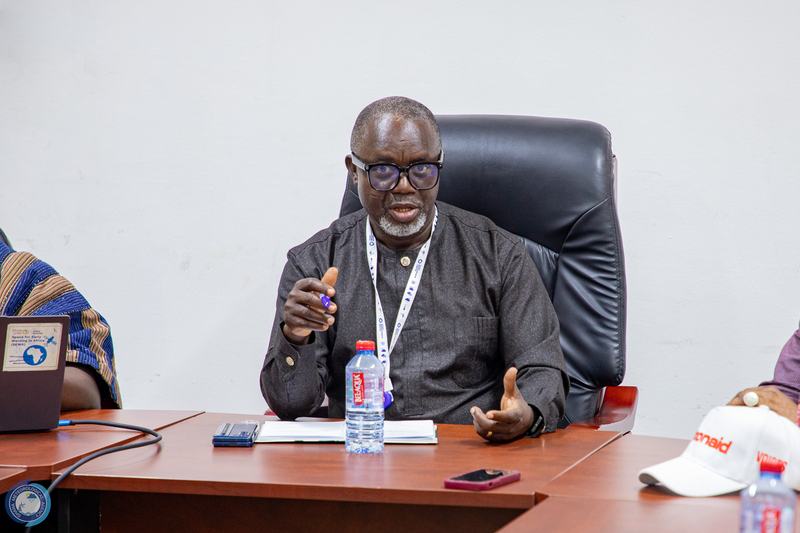
Dr. Williams, in a presentation, outlined the Agency’s forecasting services, monitoring infrastructure and the different ways it provides weather information to the public. These include daily and seasonal forecasts, marine weather information, and flood and drought products, shared through the GMet website, social media, WhatsApp and other platforms.
He said the impact of climate hazards, including floods, droughts and the spillage from the Akosombo Dam, showed why greater investment in early warning systems and supporting infrastructure was needed. He stressed that effective early warning depended not only on getting information to people, but also on the quality, accuracy and timeliness of the information being produced.
Dr. Williams explained that GMet’s services supported several sectors, including agriculture, health, transport, energy, aviation, fisheries and coastal communities. He also highlighted the Agency’s work with other institutions, including the Ghana Hydrological Authority and the National Disaster Management Organisation (NADMO), as part of the wider system for forecasting hazards, communicating warnings and supporting emergency response.
On the project’s planned weather monitoring and early warning infrastructure, he said GMet needed to be involved in decisions on equipment specifications, standards and installation. He noted that the Agency was the authority responsible for approving the establishment of meteorological stations in line with World Meteorological Organisation standards. Working with GMet, he said, would also help ensure that new installations complemented existing facilities and addressed gaps rather than duplicating work already being done.
The discussions also focused on how warnings could reach people in vulnerable coastal communities in ways they understood and could act on. Dr. Williams cited the use of coloured flags to communicate marine conditions to fishermen, explaining how simple visual signals could help people make decisions before going out to sea.
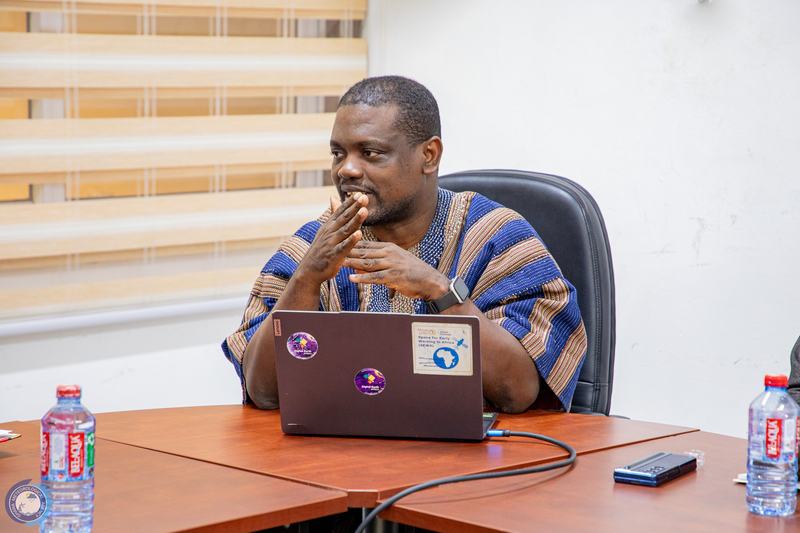
Dr. Asuman added that communities needed to be involved in deciding how weather information was communicated and used. He said the information should not be limited to emergencies, but should also help people plan their everyday activities, including farming and fishing. He stressed the need to consider local languages and the ways people in each community received and understood information.
Speaking during the meeting, Mr. Nkaw welcomed the discussions and said the engagement had helped clarify the respective roles of the institutions involved in the project. He noted that close collaboration among partners was necessary to ensure that their contributions complemented one another and supported the project's objectives.
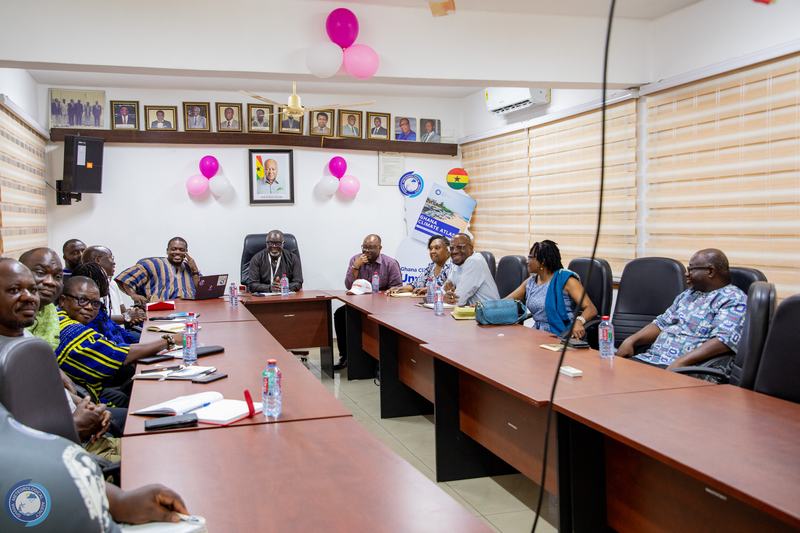
Members of the delegation also outlined plans to establish community information points, alert systems and evacuation arrangements to help residents receive and respond to warnings. They explained that community members and local leaders had been engaged during the planning process, including discussions on suitable locations and how the proposed systems would operate.
The delegation welcomed GMet's technical input, particularly on ensuring that the planned interventions aligned with the Agency's work and the country's existing early warning arrangements.
The visit provided an opportunity for both institutions to deepen their engagement on the coastal resilience project and discuss how their respective roles could support its implementation. GMet reaffirmed its readiness to provide the technical guidance needed to strengthen weather information and early warning services for vulnerable coastal communities.
©️GMet Communications