

GMet Hosts High-Level Scientific Meeting to Advance AI-Driven Weather Forecasting in Ghana
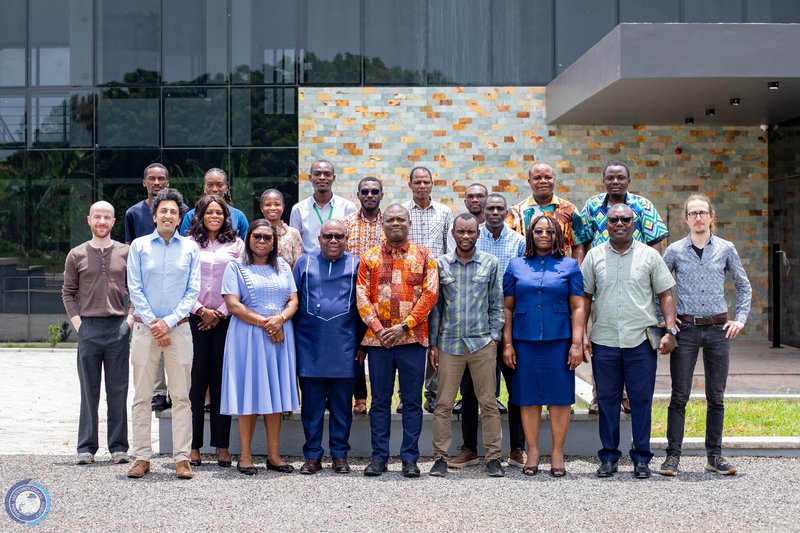
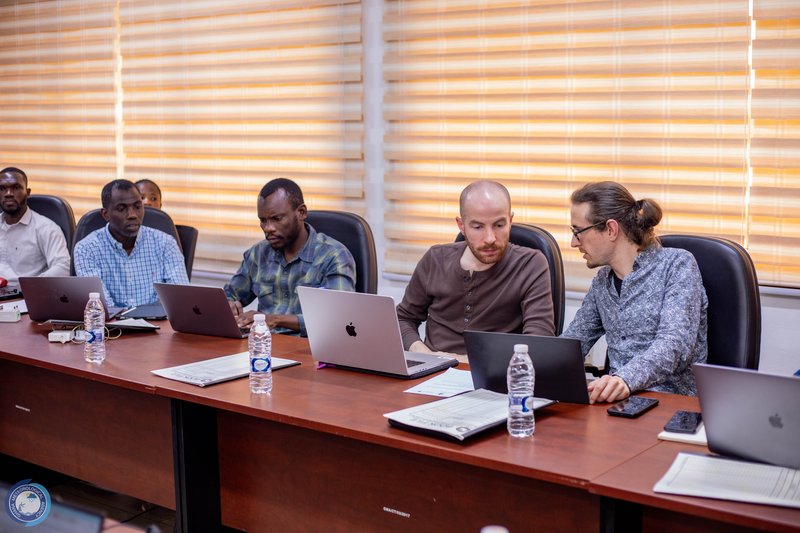
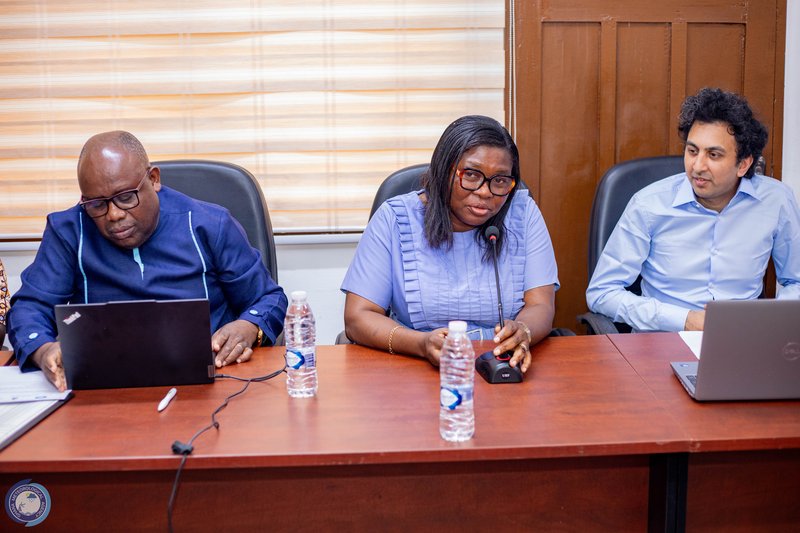
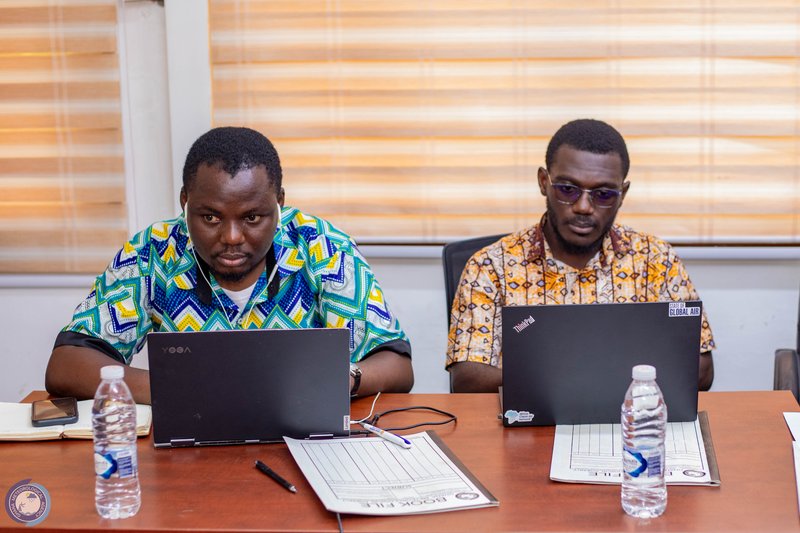
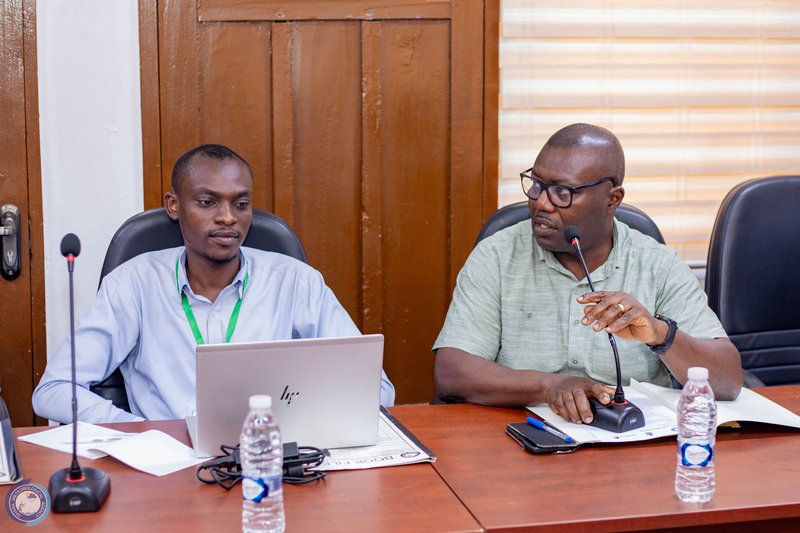
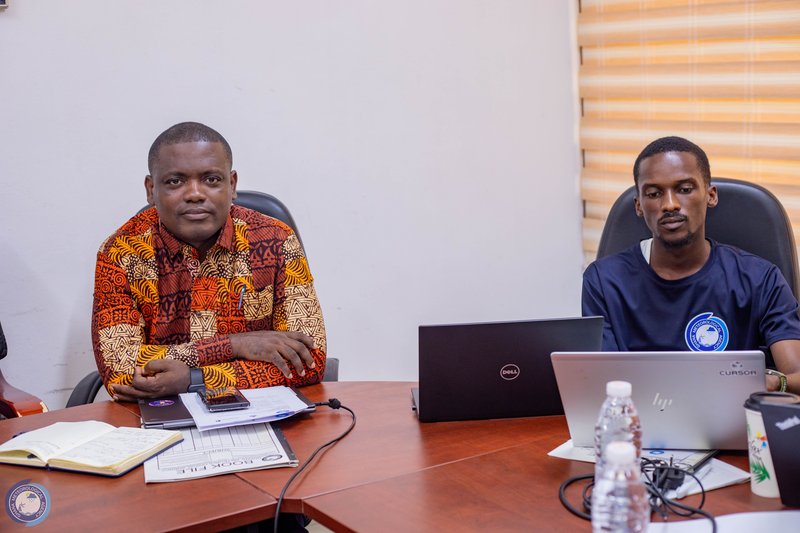
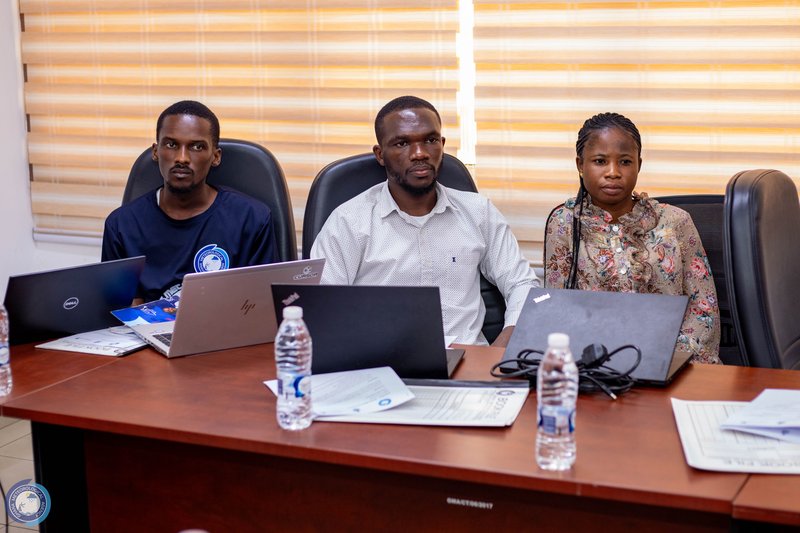
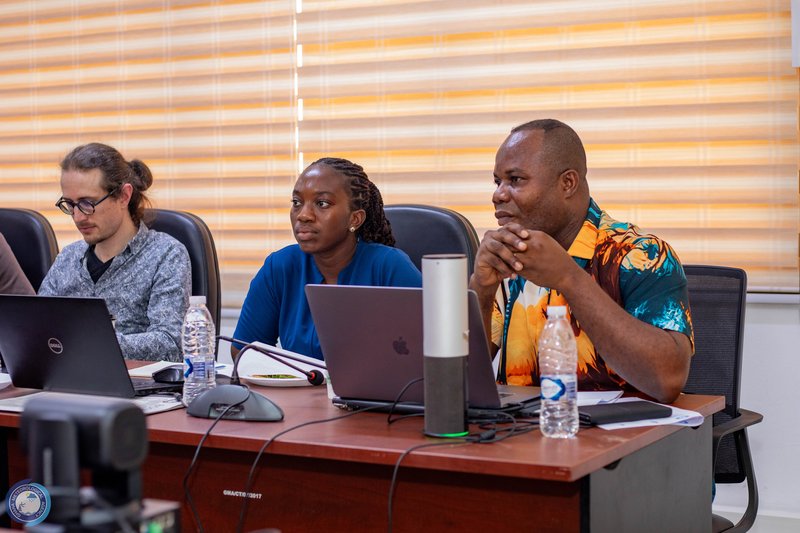
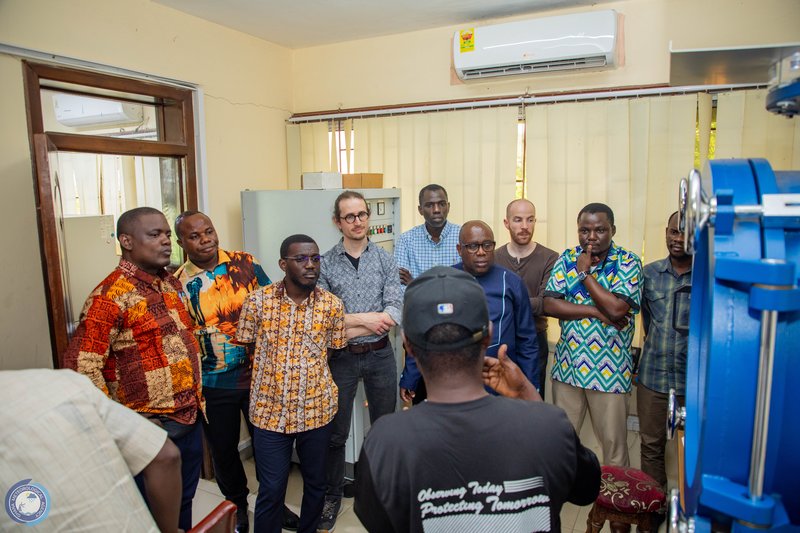
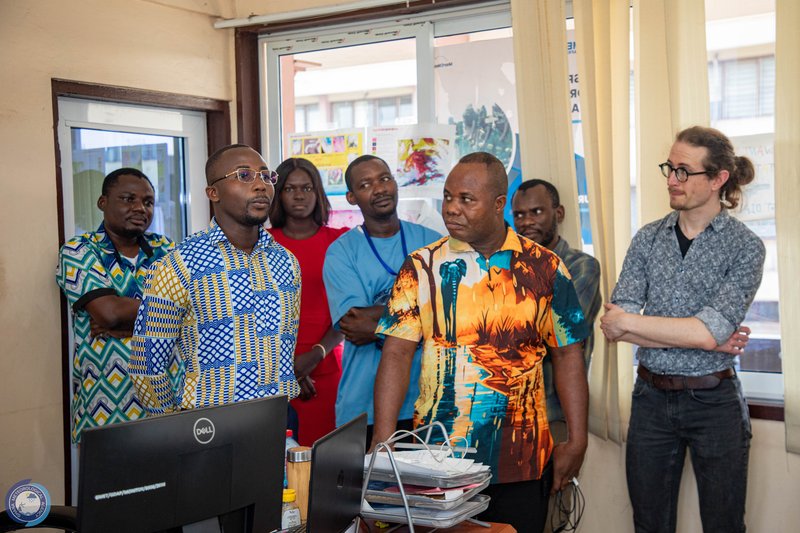
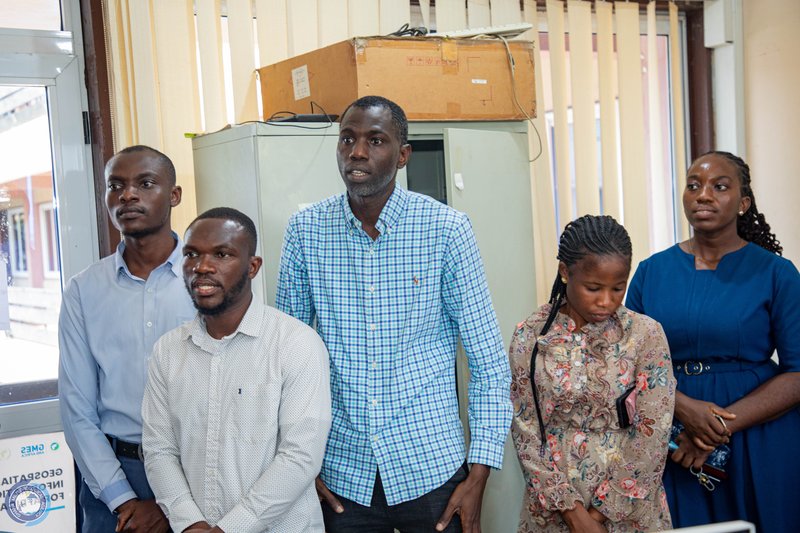
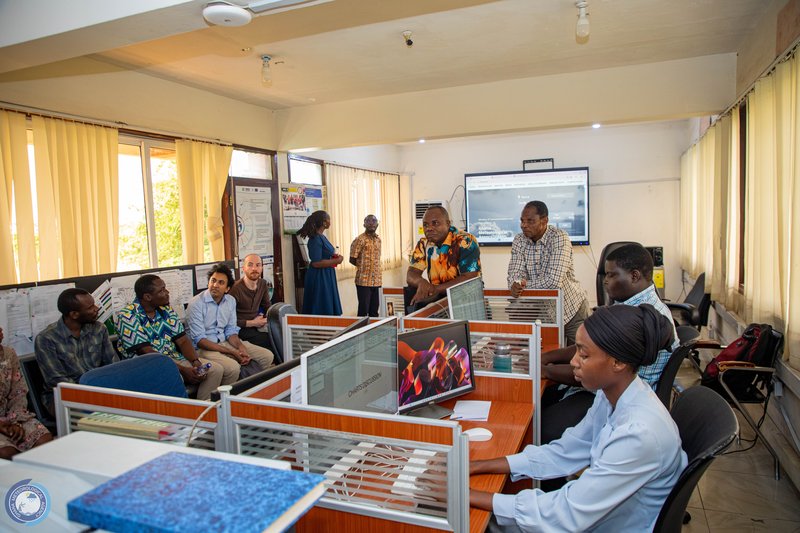
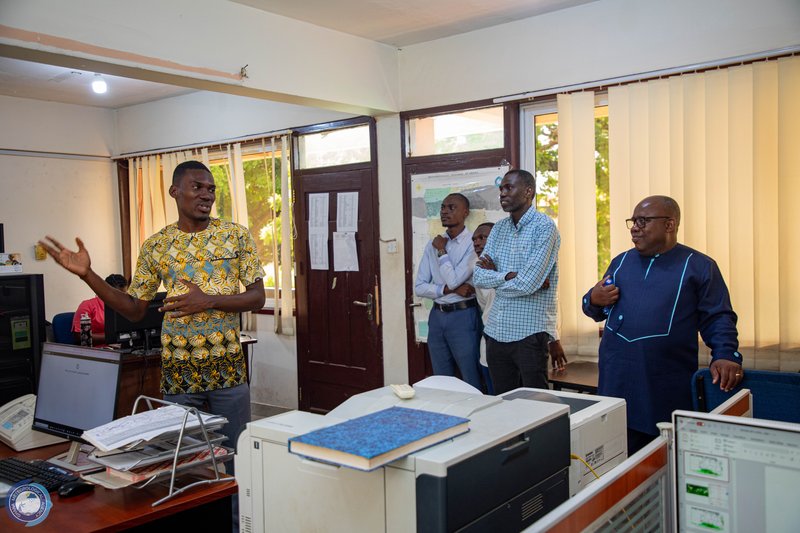
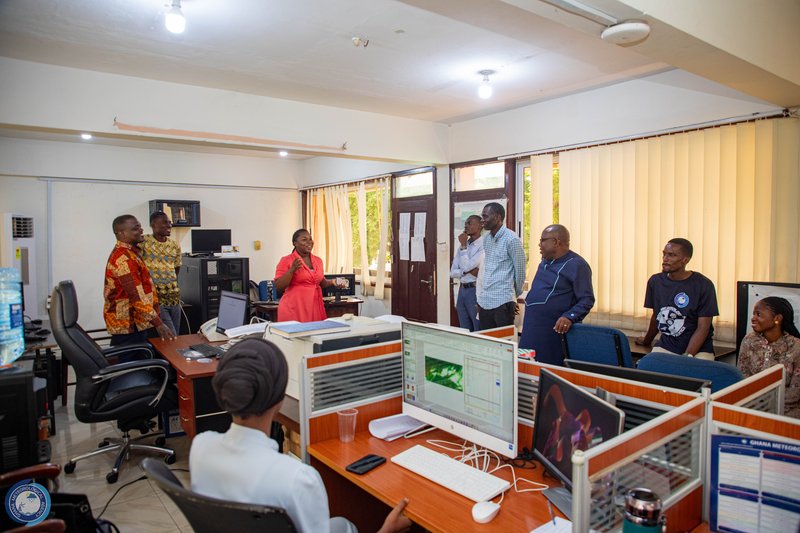
The Ghana Meteorological Agency (GMet) is hosting a two-day high-level technical working meeting at its headquarters in Accra under the Cumulus Project, bringing together leading scientists, researchers and operational meteorologists to advance the use of artificial intelligence in weather forecasting.
The meeting, which commenced on April 21, 2026 forms part of efforts to strengthen sub-seasonal and seasonal forecasting across Africa, while fostering collaboration between academia and operational meteorological institutions to develop more precise and actionable weather information, particularly for agriculture.
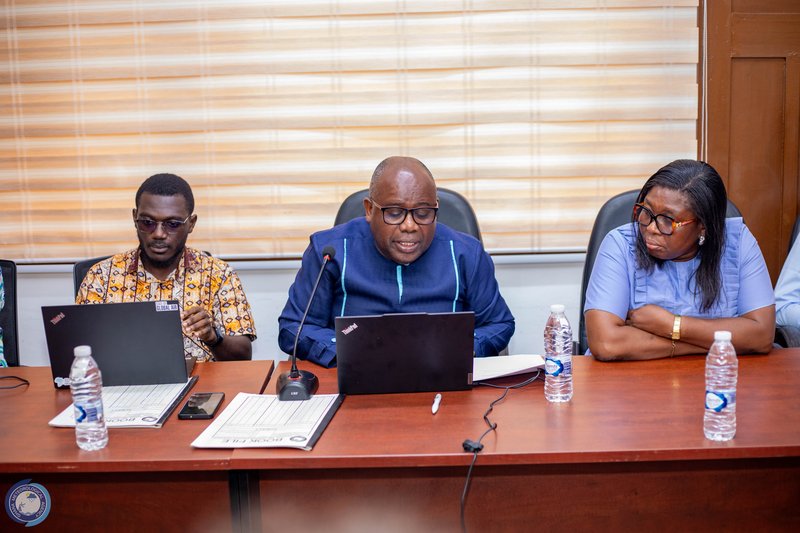
Welcoming participants on behalf of the Director-General, the Deputy Director-General for Operations, Dr. Ignatius Kweku Williams, expressed appreciation to the international and academic partners for choosing GMet as host and reaffirmed the Agency’s commitment to the project.
“We are pleased to host you and grateful for the opportunity to collaborate on this important initiative. We are ready to support this initiative and ensure that its outcomes translate into practical benefits for our forecasting systems,” he stated.
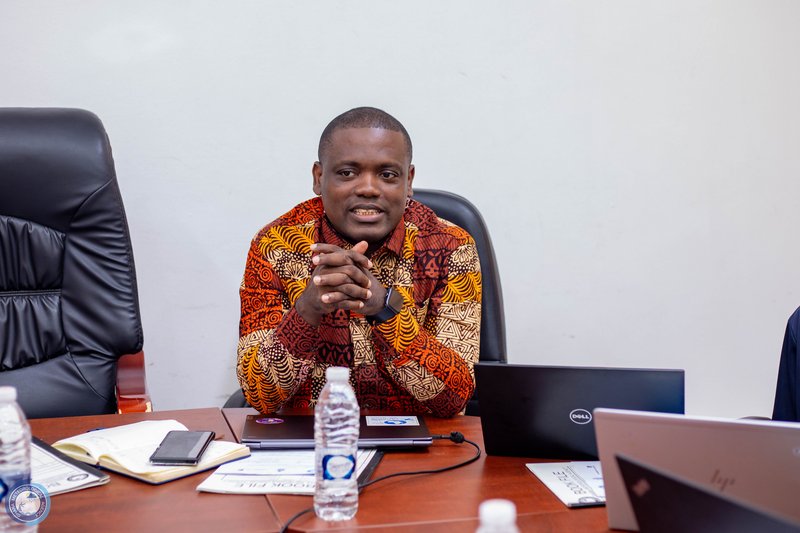
Delivering an overview of the project, Professor Leonard Amekudzi, Provost of the College of Science at KNUST and Lead of the Cumulus Project in Ghana, explained that the initiative represents a major step forward in applying artificial intelligence and machine learning to weather forecasting.
He noted that while previous projects such as SWIFT focused on nowcasting, the Cumulus Project is designed to improve sub-seasonal and seasonal forecasts, a critical gap, especially for agriculture.
“This project is about improving precision in forecasting. For sectors like agriculture, timing is everything, and AI gives us an opportunity to significantly enhance the quality of information we provide,” he said.
Chetan Deva of the University of Leeds, who serves as a Co-Investigator and facilitator for the working meeting, emphasized the central role GMet is expected to play, stressing the importance of aligning scientific innovation with operational realities.
“We want GMet at the core of this project. Our goal is to better understand your operational processes and ensure that what we develop fits seamlessly into your systems and meets your needs,” he explained.
He added that sustainability remains a key focus, with efforts aimed at ensuring that tools developed under the project remain useful long after its initial phase.
Providing further technical and and strategic insight, Professor Richard Turner of the University of Cambridge highlighted that the Cumulus Project is part of a larger global programme under the Gates Foundation’s Nimbus initiative, which is exploring multiple AI-driven approaches to improve forecasting.
He explained that the project aims not only to enhance forecasting accuracy but also to build local capacity for African scientists and institutions to independently develop and run AI-based weather models.
“Our goal is to develop systems that are not just accurate, but usable and sustainable, systems that institutions like GMet can adopt, adapt and operationalize,” he noted.
Professor Turner further disclosed that the project is working towards achieving measurable improvements in forecasting skill, particularly for key agricultural indicators such as rainfall onset, while also developing global AI models that can transform forecasting across the continent.
Other collaborating institutions on the project include the University of Cambridge, the Turing Institute, Universite Cheikh Anta Diop (UCAD) and Agence Nationale de l'Aviation Civile et de la Météorologie (ANACIM) in Senegal, reflecting the broad international partnership driving the initiative.
A key feature of the discussions is the integration of scientific research with operational forecasting, ensuring that innovations are practical and directly applicable to national weather services.
The meeting is also exploring opportunities for capacity building, including training, computational support and long-term collaboration frameworks to sustain the initiative.
As discussions continue, the engagement underscores GMet’s growing role in cutting-edge meteorological research and its commitment to leveraging technology to enhance weather and climate services in Ghana and across the region.
©️GMet Communications