

GMet Receives Joint Delegation from Denmark and GSS to Explore Data Collaboration
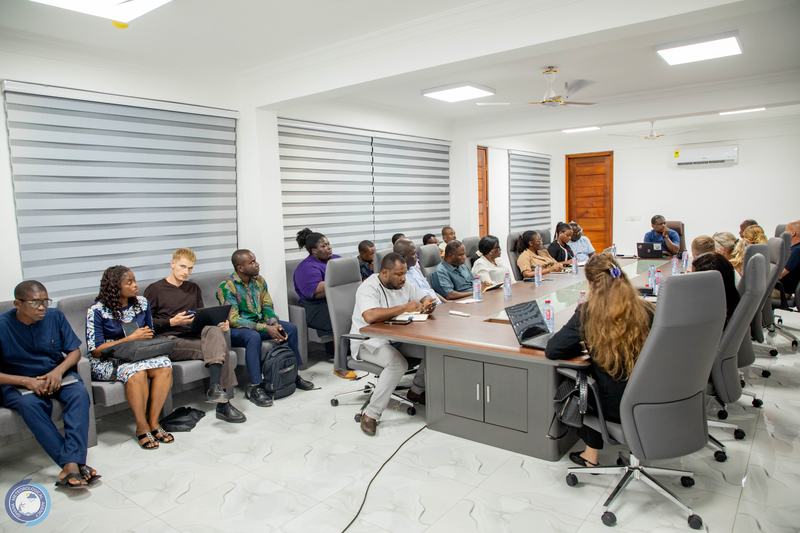
The Ghana Meteorological Agency (GMet) has received a joint delegation from the Embassy of Denmark in Ghana, Statistics Denmark and the Ghana Statistical Service (GSS) to explore opportunities for stronger collaboration in climate, statistical and data services.
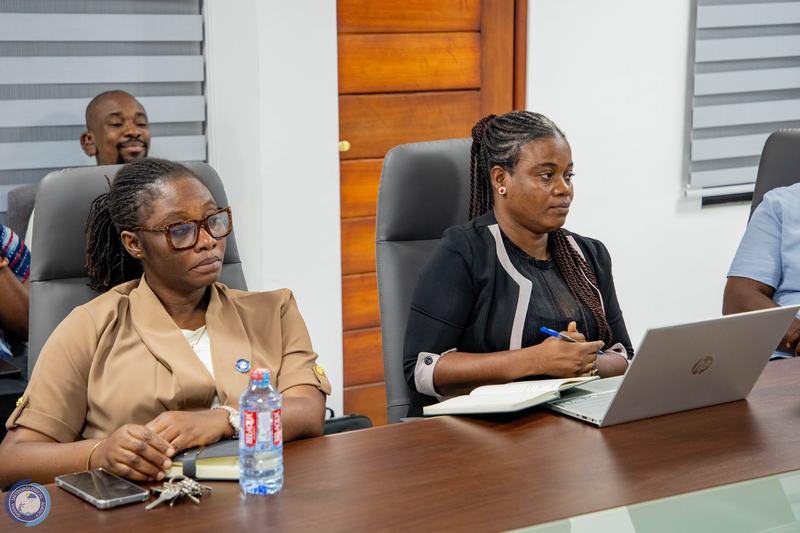
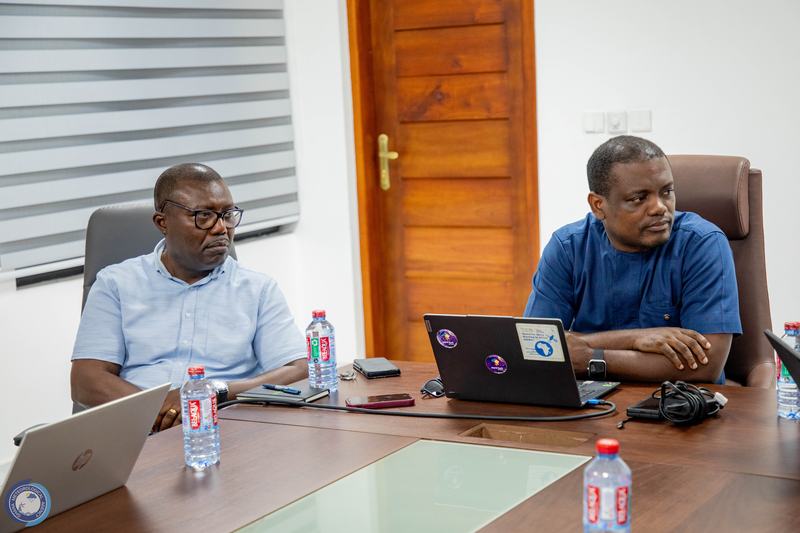
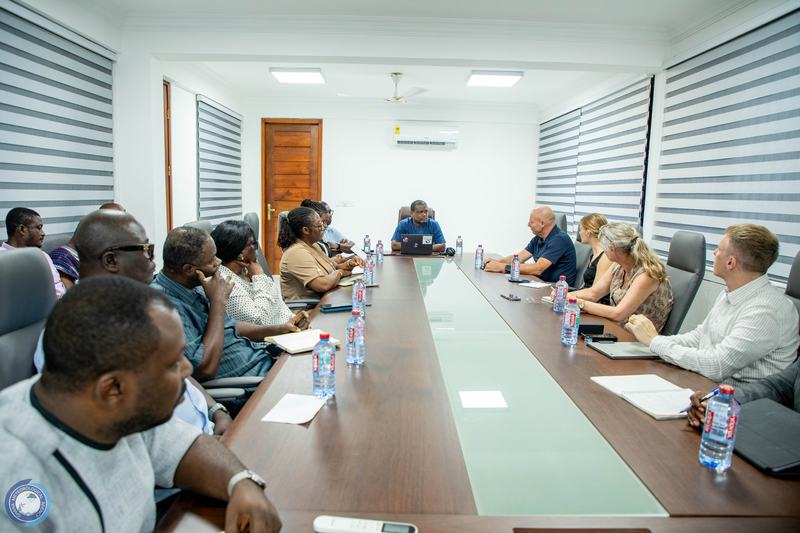
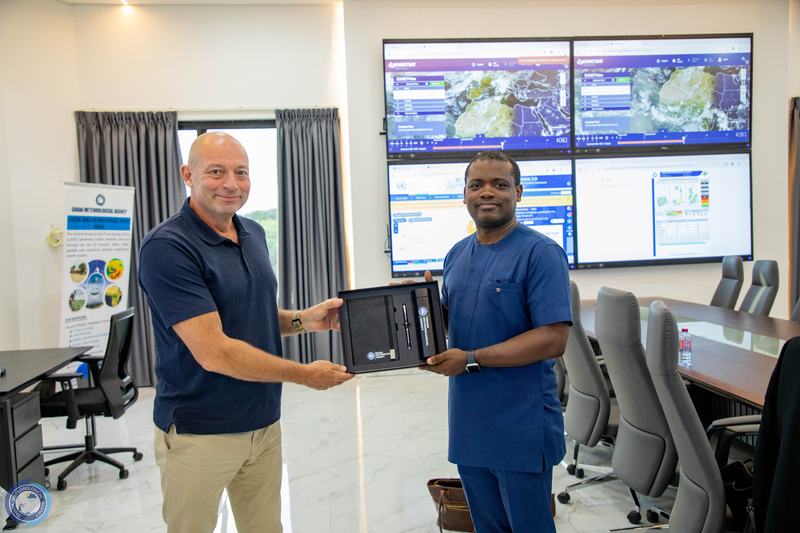
The meeting, held on Thursday, 10 September 2026 at the GMet Head Office in Accra, was facilitated by the Embassy of Denmark as part of efforts to identify practical areas of collaboration between GMet, GSS and Statistics Denmark, building on the existing Strategic Sector Cooperation between Ghana and Denmark.
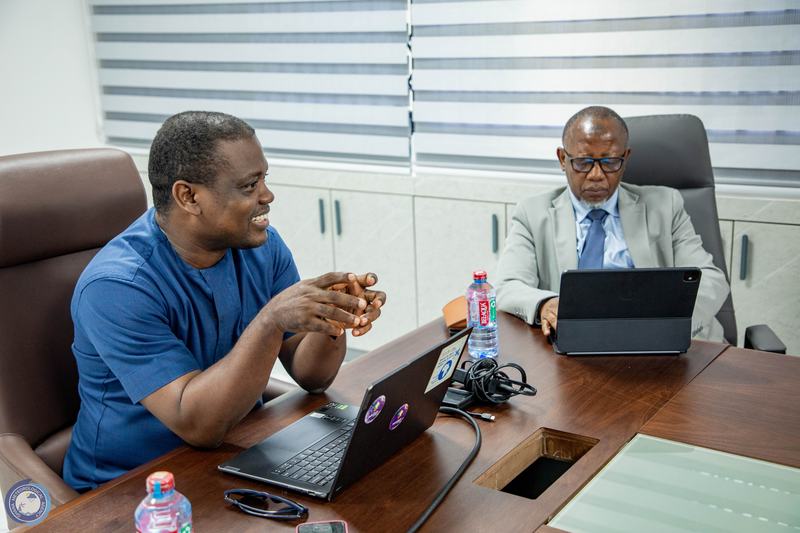
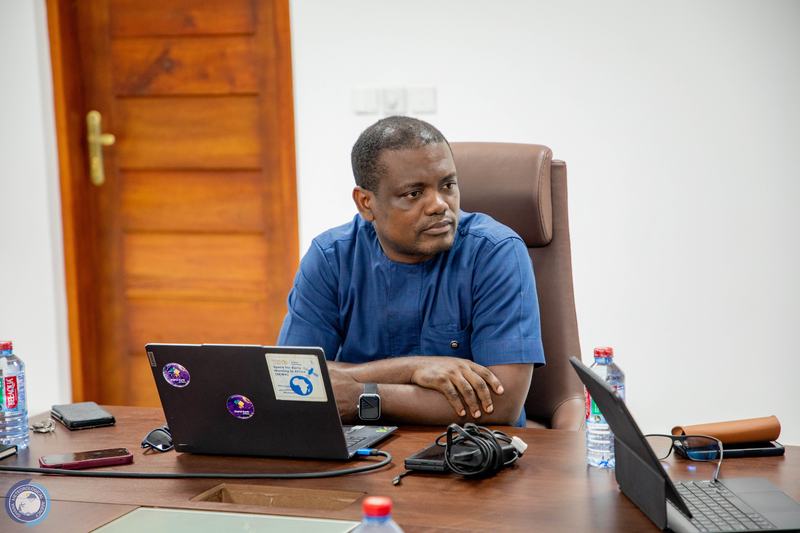
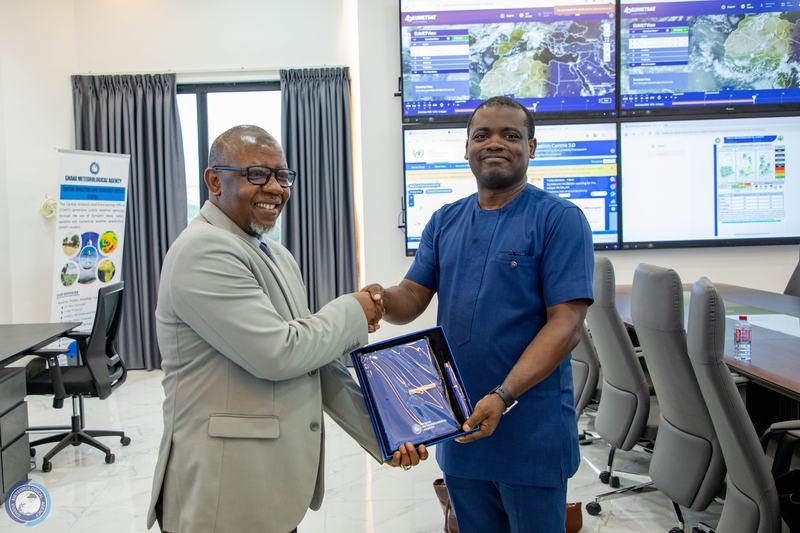
Welcoming the delegation on behalf of the Director-General and management, Dr. Ignatius Kweku Williams, Deputy Director-General of Operations at GMet, said the Agency already had a strong working relationship with the Danish Meteorological Institute (DMI) and the Embassy of Denmark and was interested in expanding those synergies.
Dr. Williams noted that GMet and GSS also had an existing Memorandum of Understanding, which provided a basis for moving beyond routine data requests towards more meaningful analysis of the relationship between weather, climate and other sectors.
GMet presented its Climate Atlas, which provides climate projections at a four-kilometre resolution across Ghana. The Atlas currently covers indicators relating to temperature, rainfall and sea-level rise under different emissions scenarios and projection periods. The Agency explained that the platform is intended to support planning across sectors including agriculture, health, infrastructure, disaster risk management, water and energy.
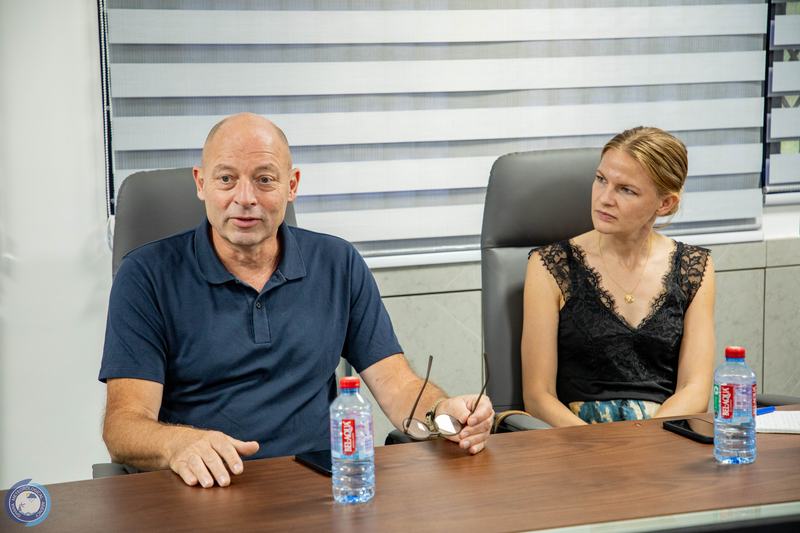
Carsten Ulrik Zangenberg, Deputy Director-General of Statistics Services, Methodology and Communication at Statistics Denmark, identified the Climate Atlas as a potential starting point for collaboration. He said Statistics Denmark was interested in working with institutions that produce and use data and in identifying variables and data structures that could help bring climate and socio-economic information together in useful ways.
Zangenberg also highlighted the growing role of artificial intelligence and language models in accessing information. He said statistical institutions would need to consider how their data, metadata and classifications were structured so that AI-based systems could correctly interpret and use the information, particularly as users increasingly seek information through AI tools.
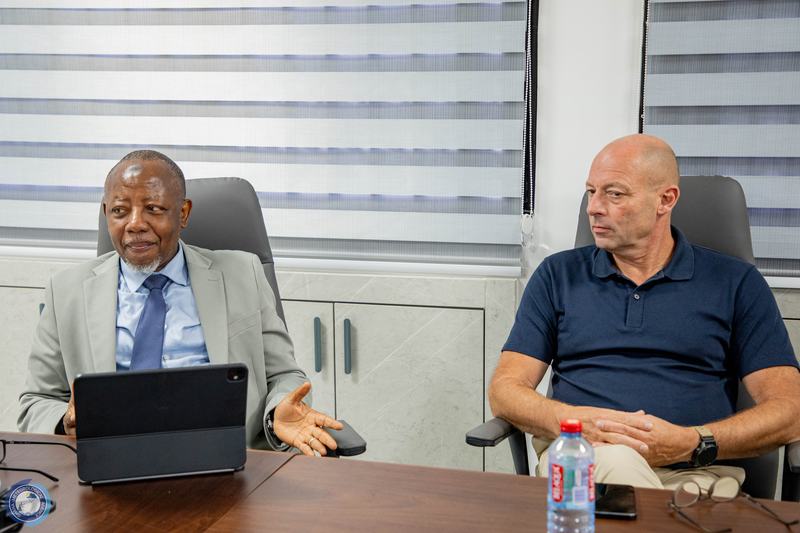
The Deputy Government Statistician, Dr. Omar Seidu, said GSS was ready to build on its existing Memorandum of Understanding with GMet and move the relationship into practical areas of work.
He proposed combining historical climate data with population and census information to examine how extreme weather and changing climate conditions may have affected population changes and movements over time. He also pointed to the potential use of telecom-derived mobility data to understand population movements and support early warning applications.
Dr. Seidu said such collaboration could allow GMet and GSS to develop applications locally, rather than relying on external institutions for analysis of data that could be brought together in Ghana.
He further proposed that the immediate priority should be to identify practical activities that can demonstrate the value of the collaboration through the constitution of a joint technical team to identify potential areas of work and develop an initial work plan and proposals by the end of September 2026.
The discussions also considered how datasets held by different government institutions could be integrated for research and analysis while allowing each institution to retain custody of its data and protecting confidential individual-level information.
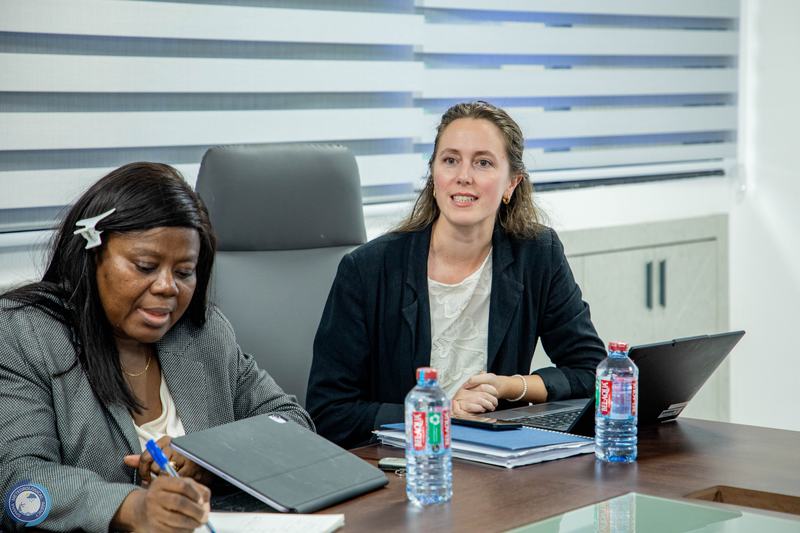
Julie Stensballe the Sector Counsellor on Meteorology and Climate at the Embassy of Denmark in Ghana said the Embassy was pleased that the engagement had taken place and expressed the hope that it would result in practical areas of cooperation. She said the Embassy could help facilitate collaboration and explore funding opportunities where the proposed activities fit within the cooperation framework.
The proposed work could include linking climate and population data, digitising historical meteorological records, developing climate indicators and maps, and improving access to climate information for researchers, policymakers and other users.
The engagement is expected to complement existing Ghana-Denmark cooperation in meteorology and climate services while creating new opportunities for the systematic use of climate and statistical data in national development planning, research and resilience-building.
©️GMet Communications