

GMet Receives Nine Automated Weather Stations to Strengthen Early Warning Systems in Ghana
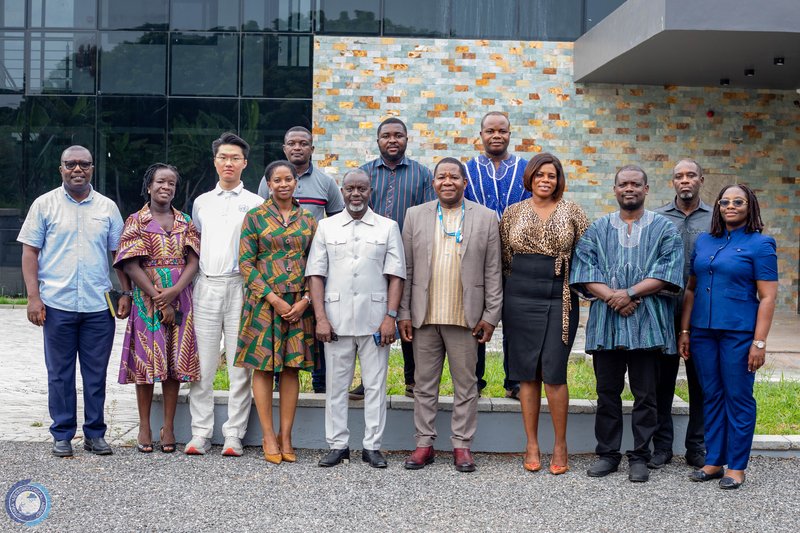
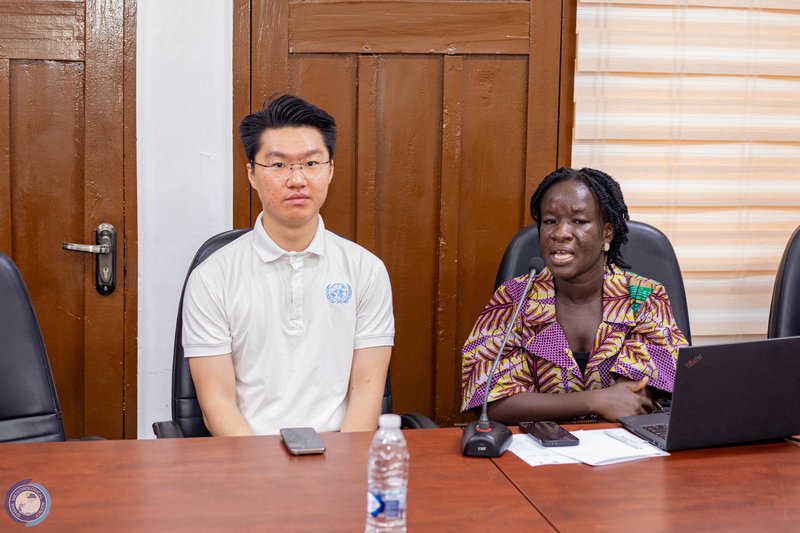
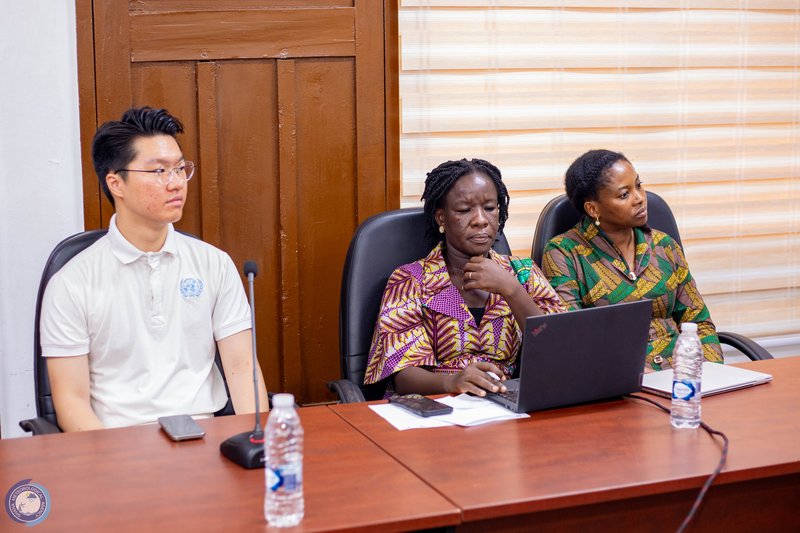
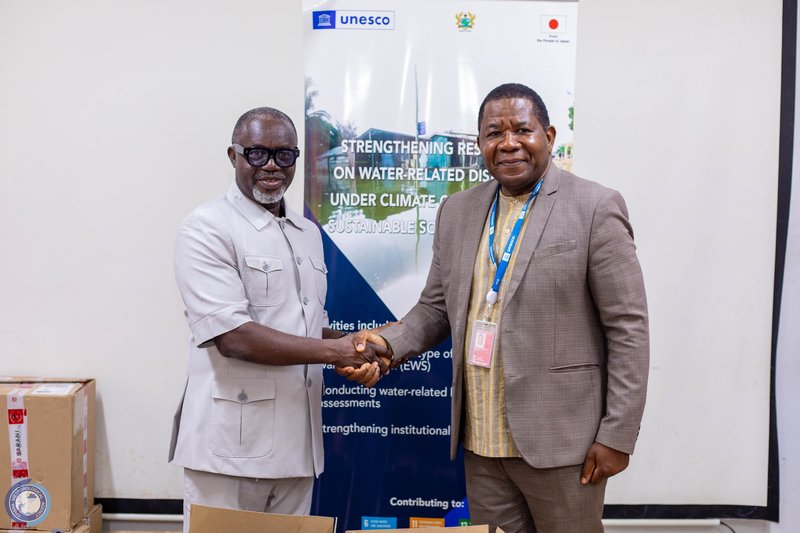
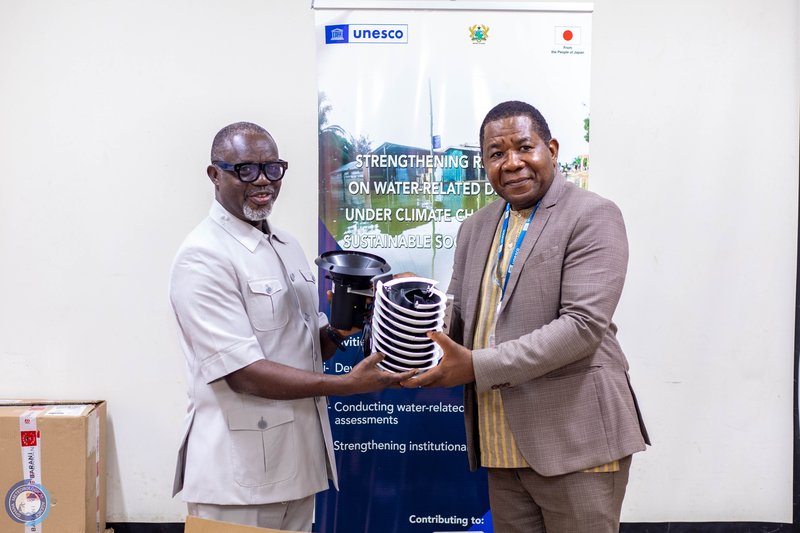
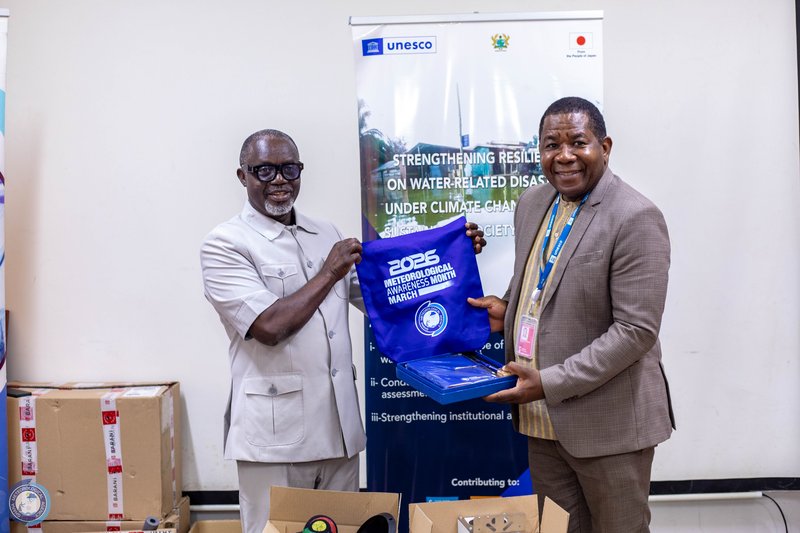
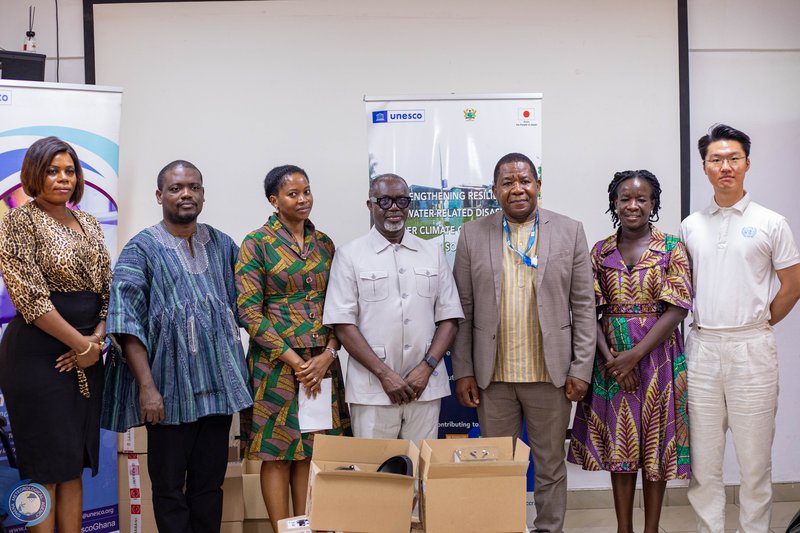
As part of efforts to strengthen climate resilience and improve early warning systems in Ghana, the United Nations Educational, Scientific, and Cultural Organization (UNESCO) has handed over nine automated weather stations to the Ghana Meteorological Agency (GMet).
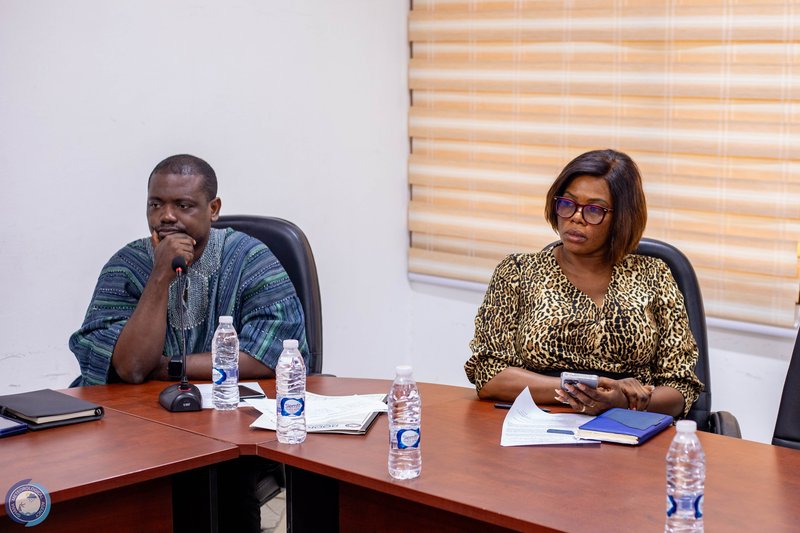
The handover ceremony, held on Wednesday, May 6, 2026, in Accra, was organised under the project “Strengthening resilience on water-related disasters under climate change for a sustainable society in Ghana,” funded by the Government of Japan. The initiative is aimed at improving Ghana’s ability to respond to climate variability and extreme weather events such as floods and droughts.
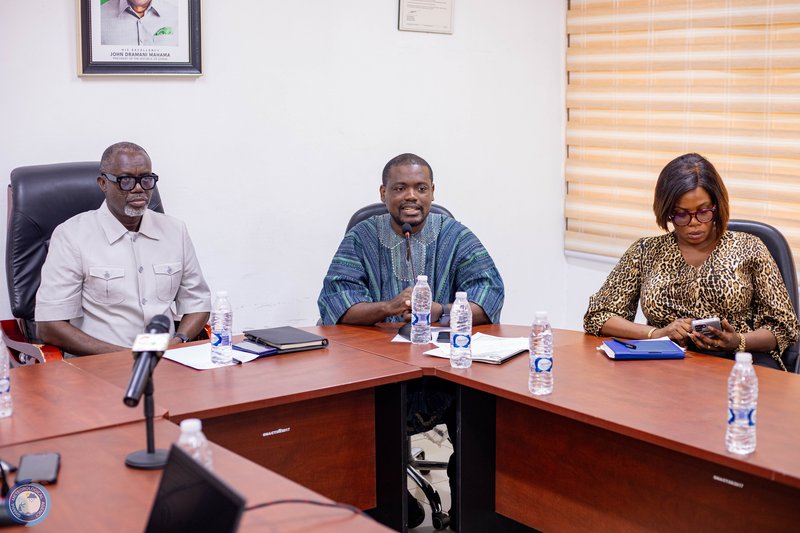
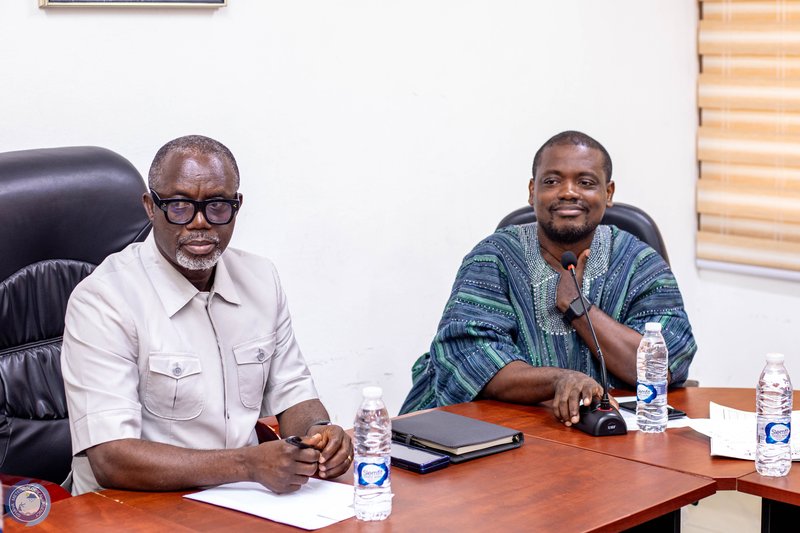
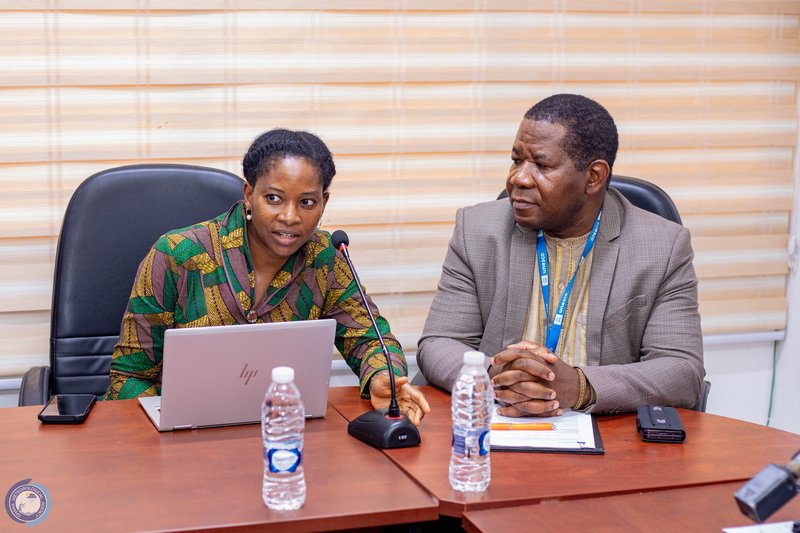
Delivering his remarks, UNESCO Representative to Ghana, Edmond Moukala, noted that reliable meteorological data remains central to effective early warning systems and climate services, describing the weather stations as practical tools for prevention and preparedness.
“Accurate, timely, and reliable meteorological data form the backbone of effective early warning systems and climate services. These weather stations are not merely pieces of equipment; they are instruments of anticipation rather than reaction, of prevention rather than response, and when effectively utilised, will help save lives and protect livelihoods,” he said.
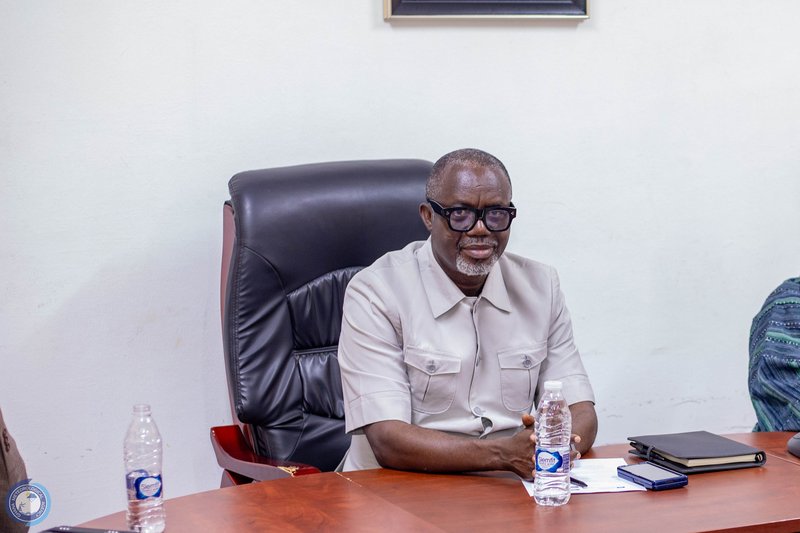
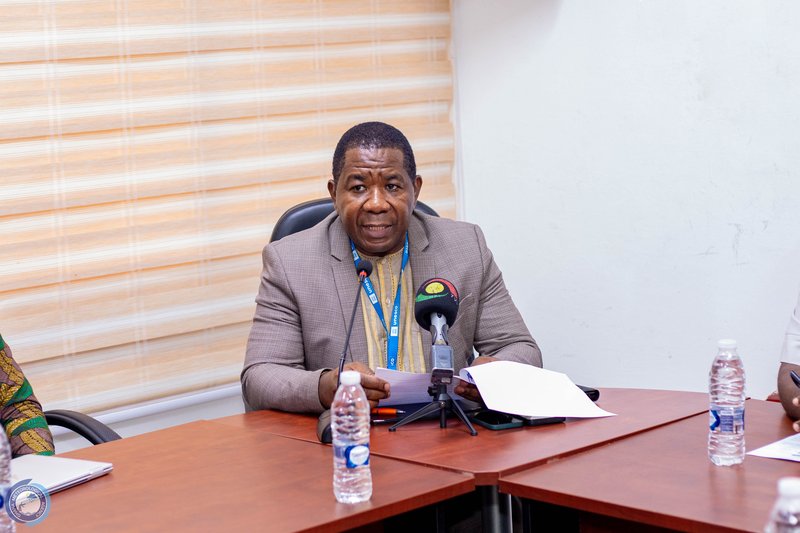
The Director-General of GMet, Dr. Eric Asuman, highlighted the importance of data to the Agency’s operations, particularly in sectors such as aviation and agriculture, and noted the high cost associated with maintaining meteorological systems.
“Our services support key sectors of the economy, including aviation and agriculture, and they rely fundamentally on data. Generating and maintaining this data is capital intensive, but advances in technology, especially automated weather stations, are helping to ease the burden. We appreciate UNESCO’s support and hope to see greater national recognition of the value of data. There is still a need for more, and these additional stations will strengthen our operational capacity,” he added.
The Deputy Director-General in charge of Operations at GMet, Dr. Ignatius Kweku Williams, expressed appreciation for the support and reaffirmed the Agency’s readiness to integrate the new systems into its operations.
“We are grateful to UNESCO and the Government of Japan for this support. Our focus now is on deploying the stations and ensuring they are fully operational to enhance our service delivery. We also look forward to continued collaboration in the future,” he noted.
The weather stations are expected to improve data availability across the country, support more accurate forecasts, and strengthen early warning systems.



©️GMet Communications