

GMet, VRA Begin Discussions on Practical Applications of Ghana Climate Atlas
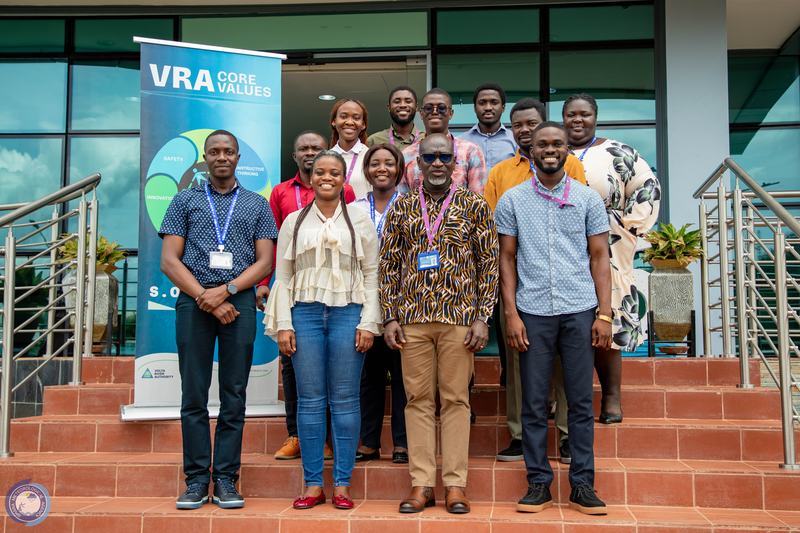
The Ghana Meteorological Agency (GMet) has taken the next step in its collaboration with the Volta River Authority (VRA) following the launch of the Ghana Climate Atlas, with both institutions beginning discussions on how the Atlas can be applied to support the Authority’s work.
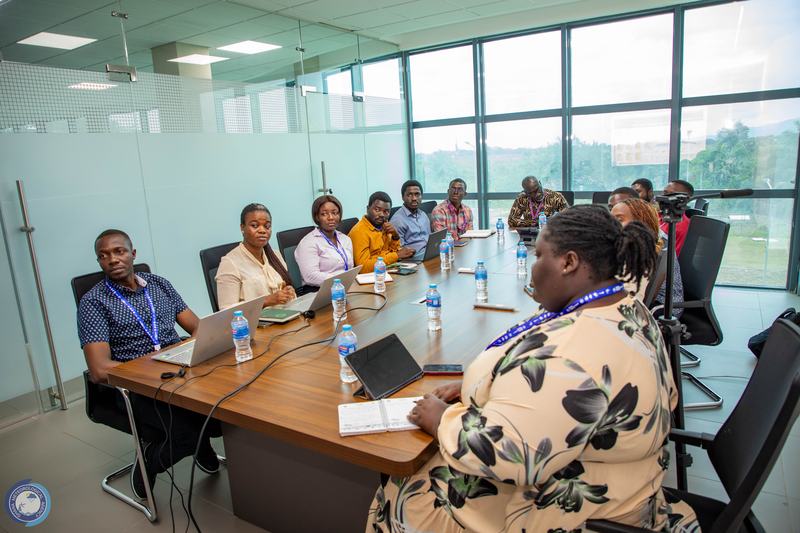
The GMet team was at the VRA on Thursday, 8th October, 2026 for an engagement focused on identifying practical use cases that can be developed from the Atlas. The team was received by Ing. Philip Tetteh Padi, Principal Water Resources Engineer, on behalf of the Director of the Water Resources and Renewable Energy Department.

Leading the engagement for GMet, Ms. Maureen Abla Ahiataku, Principal Meteorologist and Lead for the Climate Atlas Track, conveyed greetings from Management, led by the Director-General, Dr. Eric Asuman. She recalled the Agency’s earlier engagement with VRA, when the Atlas was presented to the Authority as part of the stakeholder validation process.
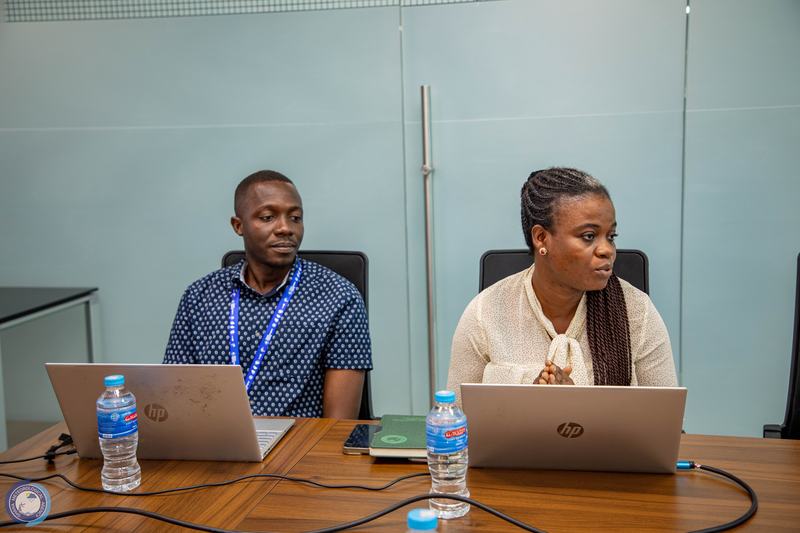
This time, however, the discussion moved beyond introducing the Atlas. Ms. Ahiataku took participants through the concept behind the Atlas, its visualization platform and how the various features can be used, particularly as several members of the VRA team were joining the engagement for the first time.
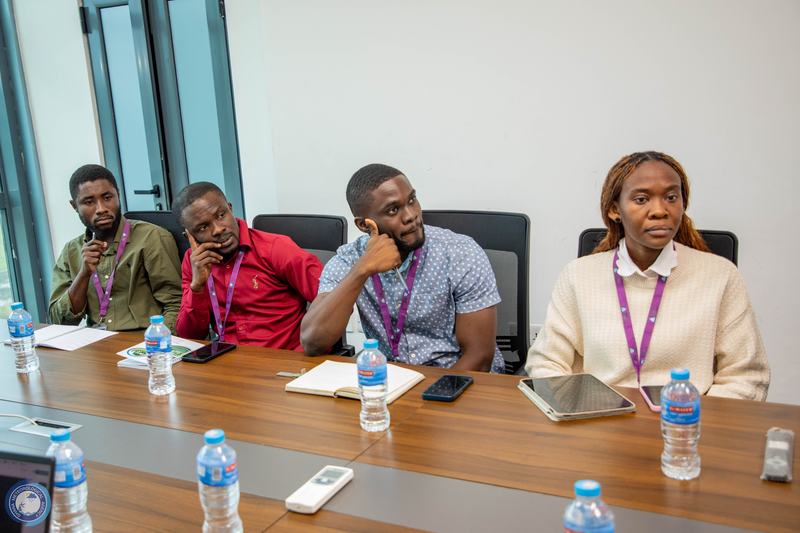
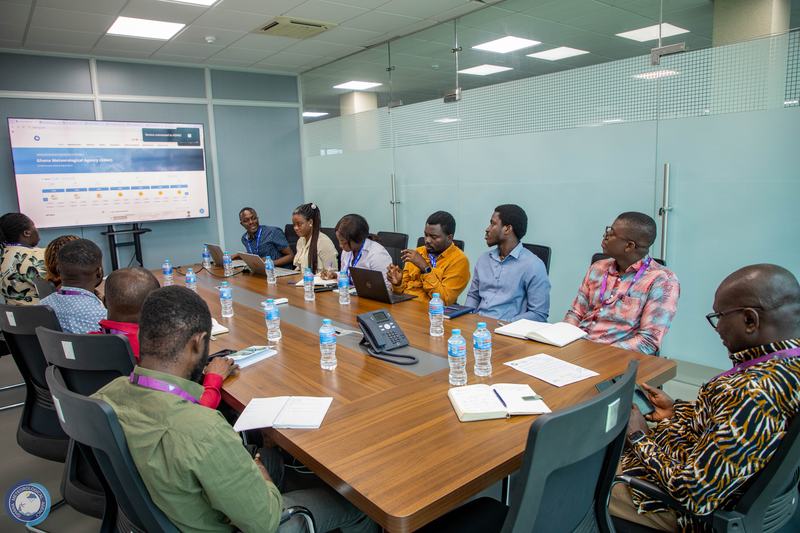
The session was interactive, with participants seeking clarification on aspects of the Atlas and sharing their thoughts on the type of climate information that would be most useful to their work. The discussion then moved into identifying specific use cases that could be developed jointly by the two institutions, including indicators that could support VRA’s work in water resources management and hydropower generation.
For VRA, the conversation is particularly important because of the Authority’s dependence on water availability for hydropower generation. Ing. Padi said the Authority was excited about the possibilities the Ghana Climate Atlas presents and indicated that VRA would work with GMet to develop tailor-made climate products that respond to its specific needs.
One of the key interests for the Authority is understanding what future climate conditions could mean for water inflows into its systems and, ultimately, its hydropower generation. The Atlas, therefore, offers an opportunity to look beyond current conditions and begin planning with a better understanding of possible changes in the climate over the coming decades.
The two teams agreed to continue the work in the coming weeks, with plans to develop a policy brief and further refine the identified use cases. The engagements will also help both institutions determine which indicators and climate information products can best support VRA’s operations.
The latest engagement marks a shift in the relationship from simply introducing the Ghana Climate Atlas to working with a key user to determine how the information can be turned into practical value. For GMet, it is an important part of ensuring that the Atlas does not remain a repository of climate information, but becomes a tool that institutions can use to make better decisions and plan for the future.



©️GMet Communications