

Parliament, GMet and Civil Aviation Authority discuss Funding of Meteorological Operations
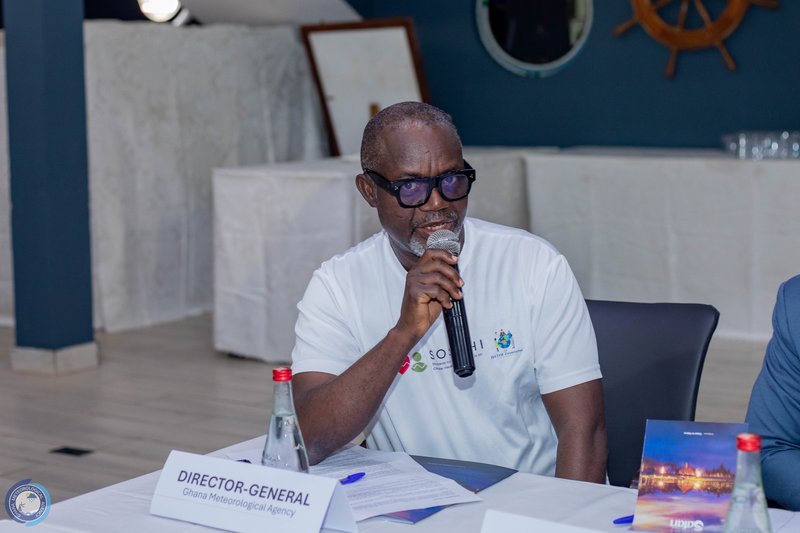
The Ghana Meteorological Agency (GMet) and the Ghana Civil Aviation Authority (GCAA) have begun a high-level meeting with Parliament’s Select Committee on Information and Communications to address concerns over unpaid statutory funds owed to the national weather agency.
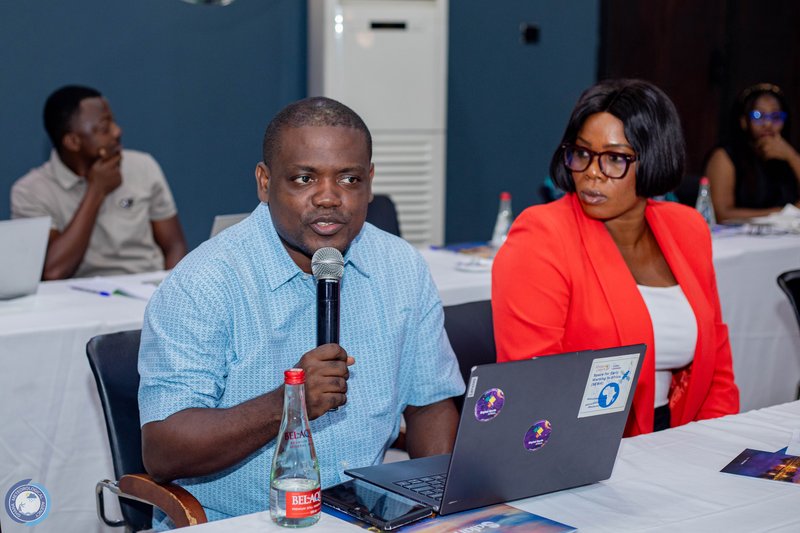
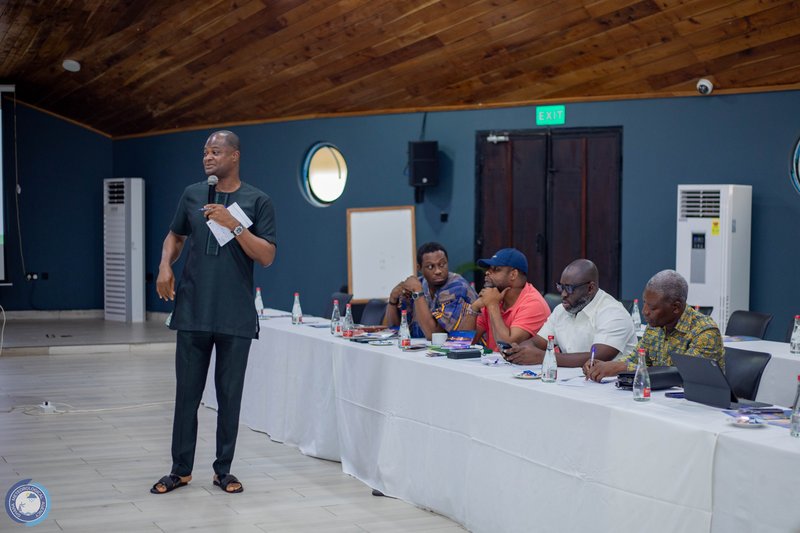
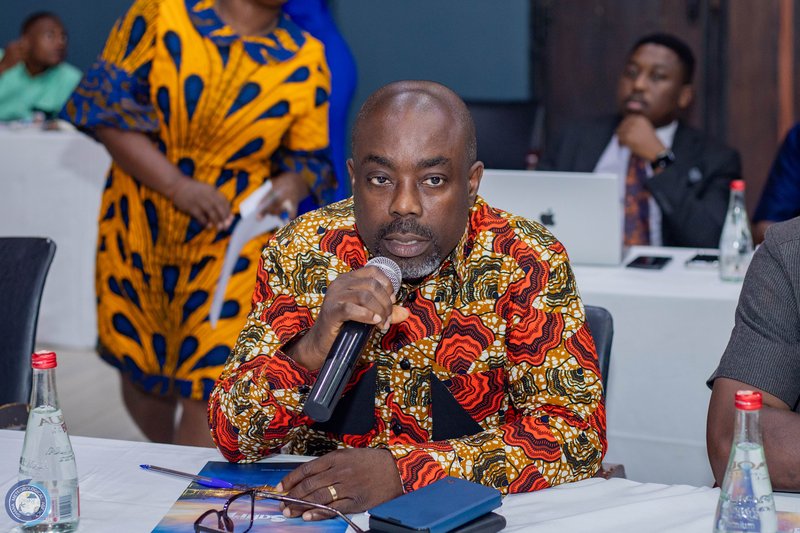
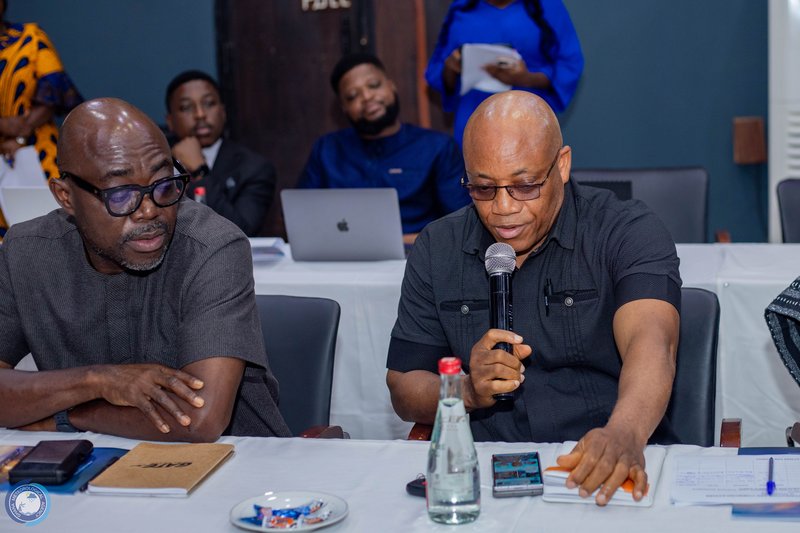
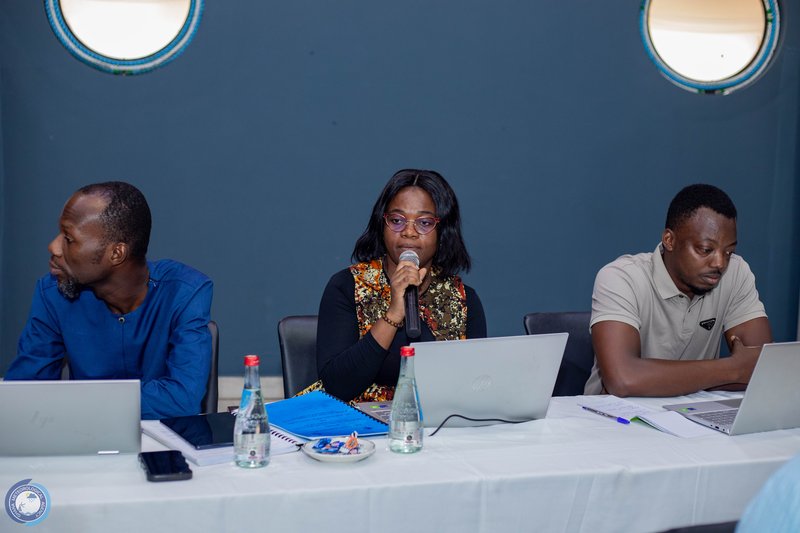
The engagement, which commenced at the Aqua Safari Resort Ada, on Saturday, March 28 2026 was described by participants as “constructive but urgent,” and focused on resolving delays in payments due to GMet for the provision of critical aviation meteorological services that underpin flight safety and regulatory compliance.
Aviation Safety at Risk
In his opening remarks, the Director-General of GMet Dr. Eric Asuman emphasised the non-negotiable role of meteorological services in aviation operations. He noted that accurate and timely weather information supports pilots and air traffic controllers during takeoff, landing, and navigation, while also helping to mitigate hazards such as turbulence, wind shear, and thunderstorms.
“These services are not optional,” he stressed. “They are mandated under international aviation standards and are essential to ensuring safety and efficiency in Ghana’s airspace.”
However, persistent non-payment of statutory obligations, particularly portions of aviation charges due to GMet, has placed significant strain on the agency’s operations. According to officials, the funding gap is affecting the maintenance and modernisation of vital infrastructure, including weather radar systems, automatic weather stations, and communication platforms.
Operational and Compliance Implications
Dr Asuman warned that continued delays could have far-reaching consequences. These include reduced reliability of aviation weather services, increased operational risks, and potential non-compliance with global aviation standards set by the International Civil Aviation Organisation.
Such non-compliance, he added, could negatively impact Ghana’s aviation safety ratings and international reputation, while also placing additional pressure on already constrained technical teams.
Beyond aviation, weakened meteorological systems could undermine national early warning capabilities—critical for disaster risk reduction and climate resilience efforts.
Parliamentary Oversight and Call for Collaboration
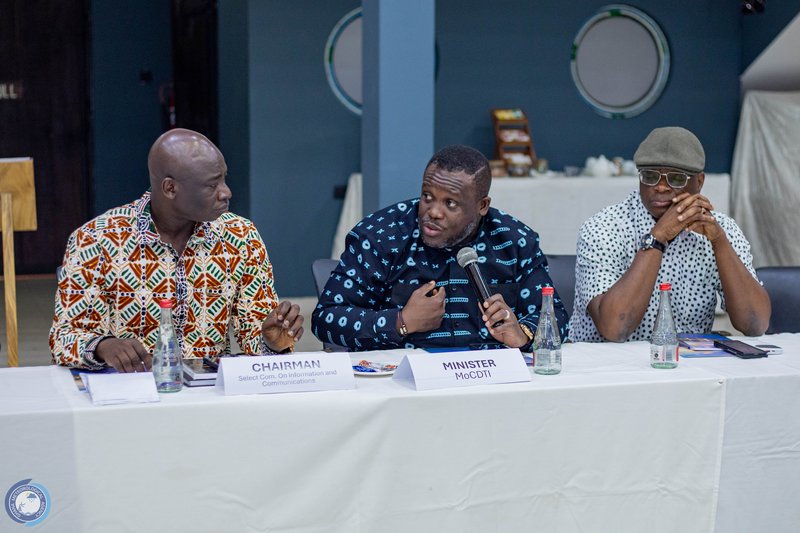
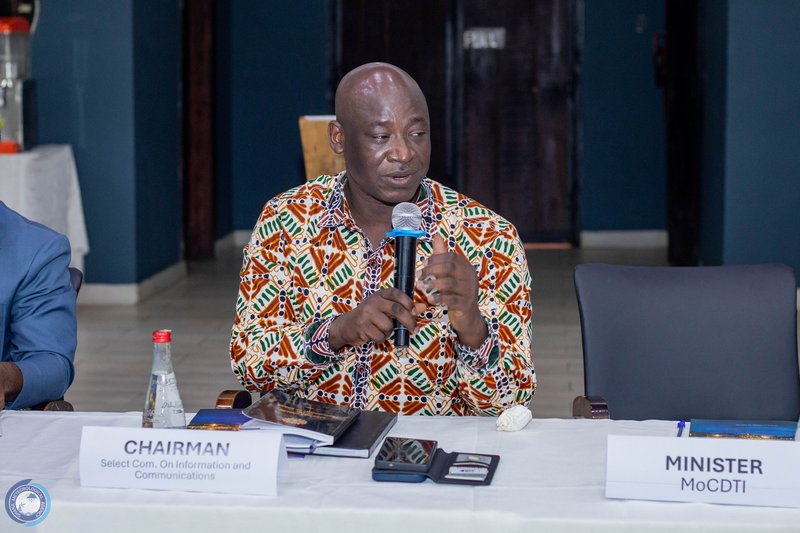
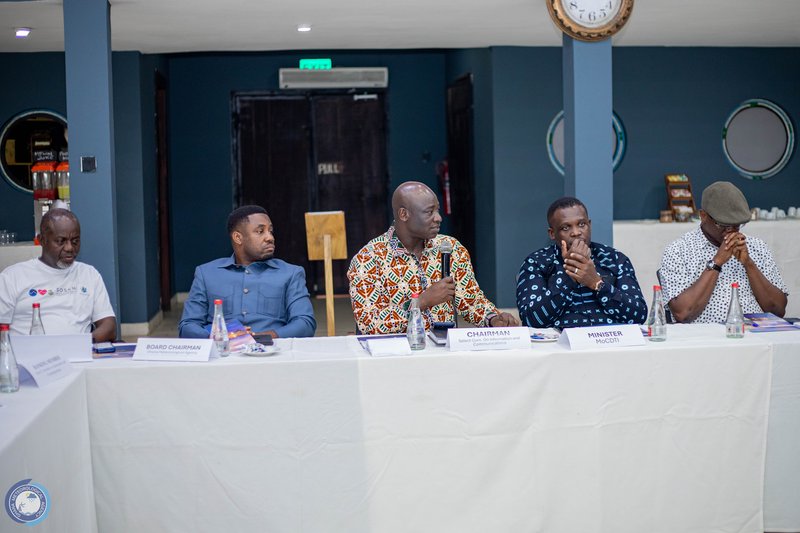
Members of the parliamentary select committee on Information and Communications led by the Chairman of the committee Dr Abed-Nego A. Lamangin Azumah underscored the importance of cooperation between state institutions. They described the meeting as part of broader oversight efforts to ensure accountability and effective service delivery across sectors.
Committee members acknowledged GMet’s challenges, including outdated equipment and limited resources. They called for a renewed commitment to inter-agency collaboration. They also highlighted the need for Ghana to strengthen its forecasting systems, noting public concerns about occasional inconsistencies in weather predictions.
GCAA Responds
Officials from the Ghana Civil Aviation Authority led by the Deputy Director General acknowledged the concerns raised and reaffirmed their commitment to resolving the issue. They noted that efforts are underway and some payments have been made to provide assurance and readiness to fulfiltheir obligations.
The Authority emphasised its willingness to work closely with GMet and other stakeholders to ensure uninterrupted delivery of aviation meteorological services.
Proposed Solutions
To address the impasse, GMet proposed a series of measures aimed at restoring financial stability and ensuring uninterrupted service delivery:
- Structured Payment Plan: A roadmap to clear outstanding arrears owed by the aviation authority.
- Predictable Disbursement Mechanism: A system to ensure timely and consistent future payments.
- Enhanced Coordination: Regular technical and management engagements between GMet and GCAA.
- Formal Authorisation: Issuance of a directive to the International Air Transport Association (IATA) to facilitate direct remittance of aviation-related charges due to GMet.
Officials stressed that sustainable funding for meteorological services is not only critical for aviation safety but also for economic growth, tourism, and national development.
Shared Responsibility
Despite the tensions, both agencies expressed willingness to engage in dialogue and find a mutually beneficial resolution. The meeting was framed as a “friendly but necessary conversation,” with stakeholders encouraged to adopt a solution-oriented approach.
GMet reaffirmed its commitment to service delivery, citing ongoing efforts to improve standards, including ISO certification processes and professional training for meteorological staff.
“This is a shared responsibility,” the Director-General concluded. “Ensuring the sustainability of meteorological services requires reliable financing, strong partnerships, and a common understanding of their importance to national safety and development.”
The meeting is expected to lead to further technical discussions and policy actions to resolve funding challenges and strengthen Ghana’s aviation and meteorological systems.





©️GMet Communications