

Stakeholders Deliberate on Proposed Ghana Meteorological Authority Bill
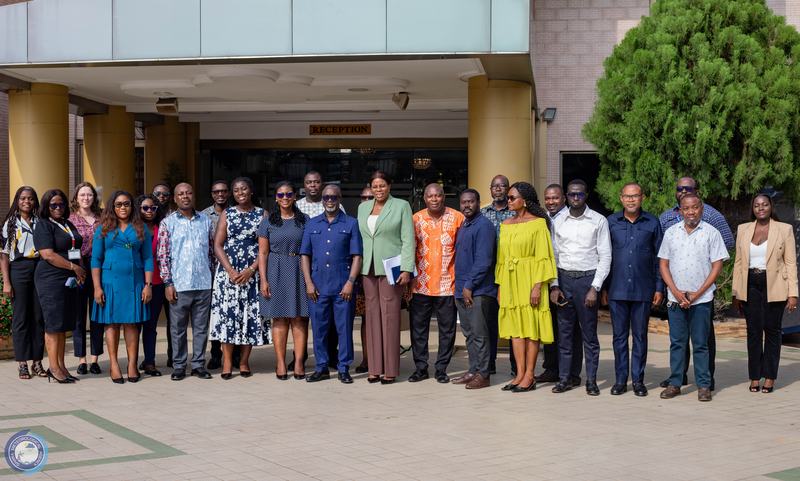
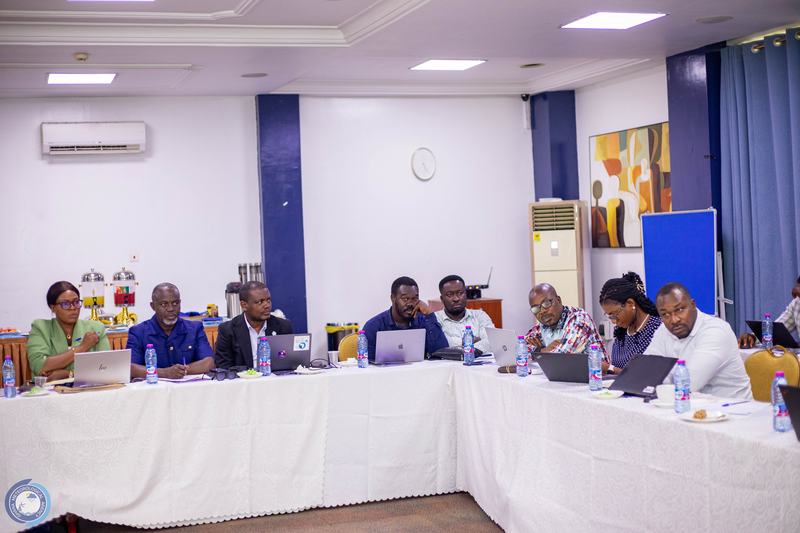
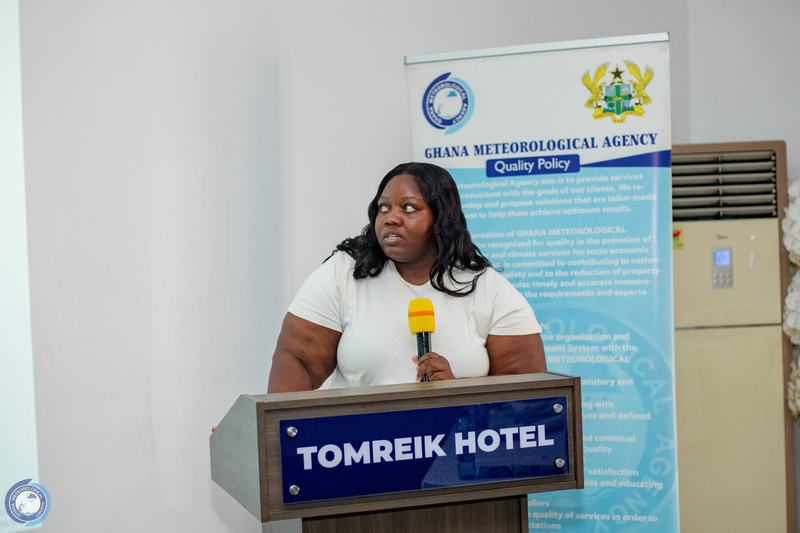
The Ghana Meteorological Agency (GMet) on Wednesday, 10thJune, 2026 engaged a cross-section of stakeholders on the proposed Ghana Meteorological Authority Bill, 2025, in a consultative process aimed at strengthening weather, climate and early warning services across the country at the Tomreik Hotel in Accra.
The engagement brought together representatives from government institutions, regulatory bodies, academia, development partners and industry to review the draft bill, discuss its key provisions and provide input before its submission for further consideration.
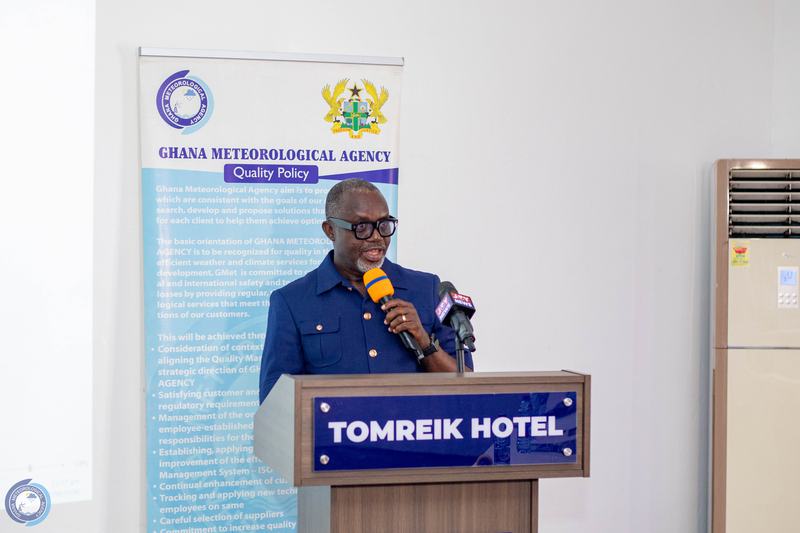
Opening the session, Director-General of GMet, Dr. Eric Asuman, said the proposed legislation comes at a time when weather and climate variability continue to present significant challenges to lives, livelihoods and national development.
“The reality confronting us today is that weather and climate variability have become defining challenges of our time,” he said. “The proposed Ghana Meteorological Authority Bill represents Government's commitment to strengthening the country's meteorological services architecture and positioning Ghana to better respond to the growing demands associated with weather, climate and environmental resilience.”
Dr. Asuman noted that the Agency had undertaken extensive consultations with key institutions, experts and the public to ensure that the proposed legislation reflects stakeholder perspectives and aligns with national development priorities. He encouraged participants to contribute openly to help shape a practical and responsive legal framework for meteorological service delivery in Ghana.
Providing an overview of the legislative reform process, Director at the Ministry of Communication, Digital Technology and Innovations (MOCDTI), Barbara Barnes, explained that the review forms part of a broader government initiative to modernize laws governing agencies under the Ministry.
She indicated that the Ministry had engaged agencies to review existing legislation, many of which were enacted more than two decades ago, to ensure that they remain relevant in an evolving technological and operational environment. According to her, the draft bill has undergone several rounds of stakeholder consultations, public engagements and technical reviews, with comments received from institutions and individuals helping to refine its provisions.
Presenting the strategic rationale for transitioning GMet from an Agency to an Authority, Deputy Director-General (Operations), Dr. Ignatius Kweku Williams, stressed that the proposed reform is intended to strengthen Ghana’s capacity to provide timely and reliable weather and climate information while enhancing regulatory oversight within the meteorological sector.
“This transition is more than a name change,” Dr. Williams said. “It is a strategic reform that will strengthen our mandate to regulate, coordinate, set standards and improve the delivery of meteorological services for national development.”
He noted that the proposed Authority would be empowered to regulate meteorological activities, establish technical standards, coordinate weather and climate information and serve as the sole source of national severe weather warnings and public safety alerts.
“The future of meteorological services in Ghana affects every sector gathered in this room,” Dr. Williams said, noting that sectors such as aviation, agriculture, fisheries, energy and disaster management increasingly depend on accurate weather and climate information.
He added that the proposed reforms would support investments in modern forecasting infrastructure, strengthen early warning systems and improve Ghana’s capacity to respond to weather and climate-related risks.
Participants were subsequently taken through the key provisions and proposed amendments contained in the draft bill by Deputy Director-General (General Services), Ms. Vivian Abla Kally. She explained that the bill seeks to strengthen the Agency’s regulatory mandate, enhance governance arrangements, establish a National Meteorological Fund and introduce a licensing framework for meteorological operations to ensure quality assurance and compliance with international standards.
Ms. Kally also reiterated that the proposed reforms are intended to support improved service delivery, strengthen coordination among stakeholders and position Ghana's meteorological services to meet growing national and international demands.
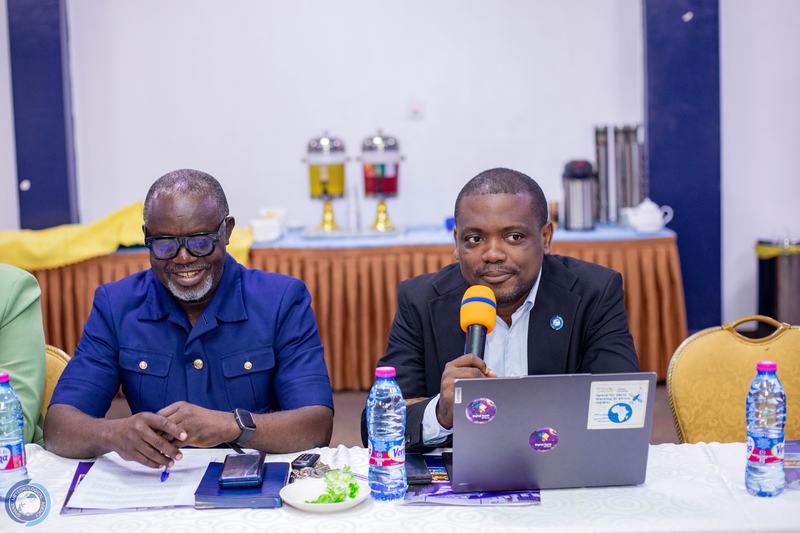
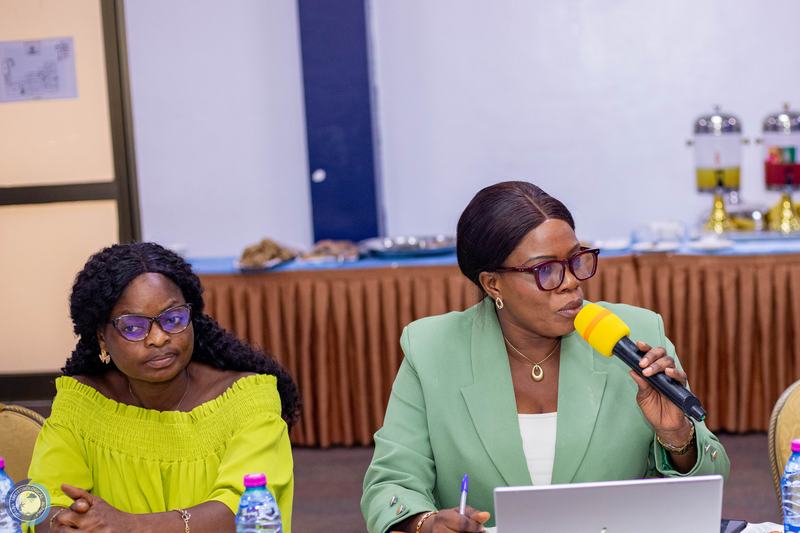
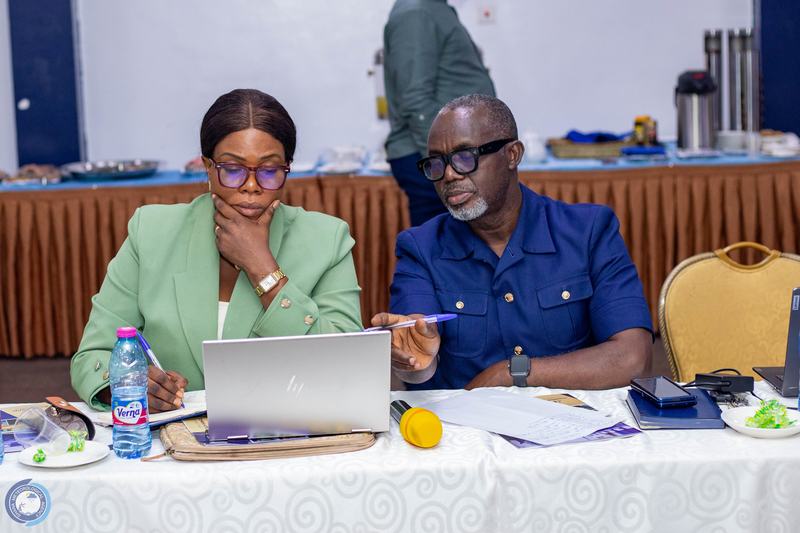
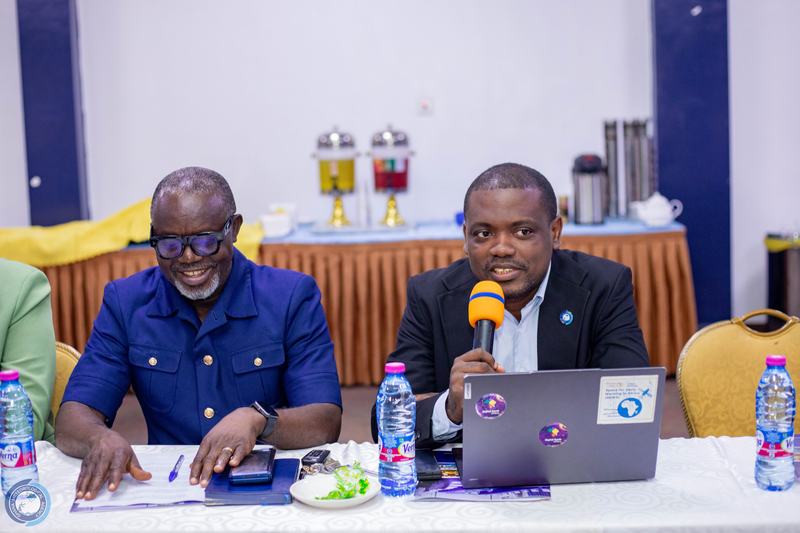
The engagement concluded with an interactive session during which stakeholders shared observations, recommendations and concerns on various aspects of the draft legislation. Questions raised by participants were addressed by the Agency’s management and legal team, while additional inputs received will be considered as part of the ongoing review process.
The stakeholder engagement forms part of GMet’s commitment to inclusive consultation and broad stakeholder participation in the development of a modern legal framework to guide meteorological service delivery and climate resilience efforts in Ghana.










©️GMet Communications