

GMet Expands Stakeholder Consultations with Visit to UG Climate Centre
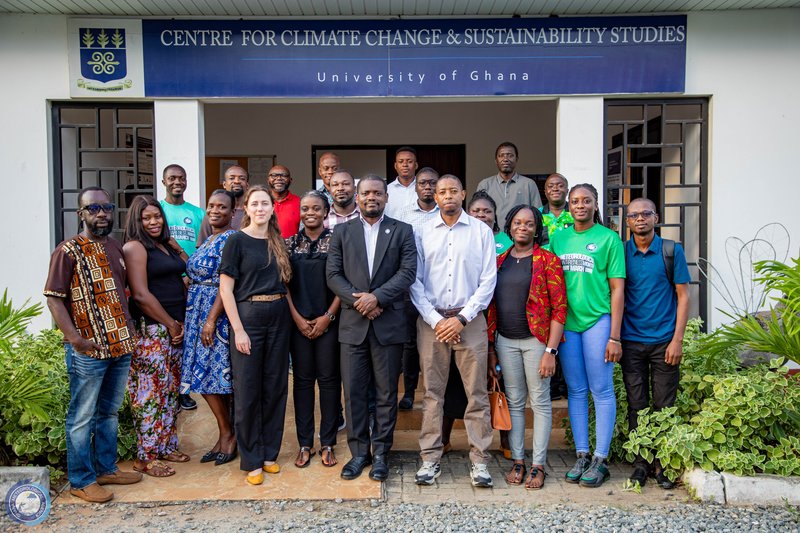
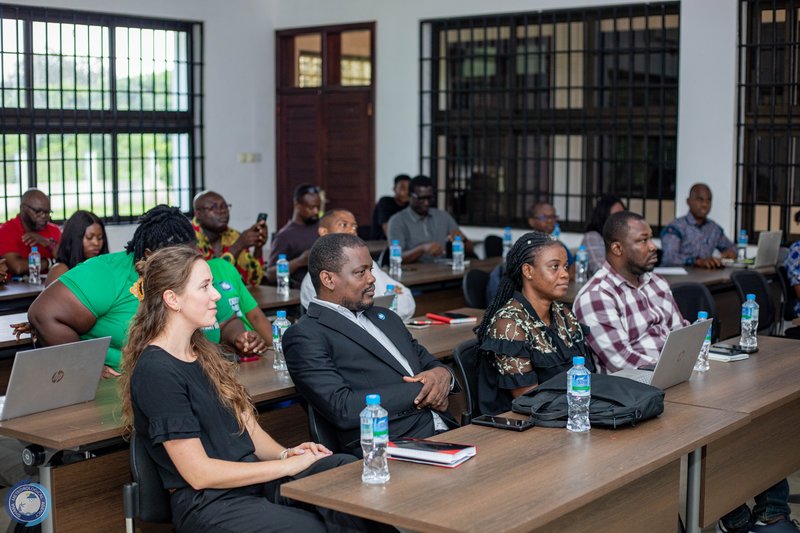
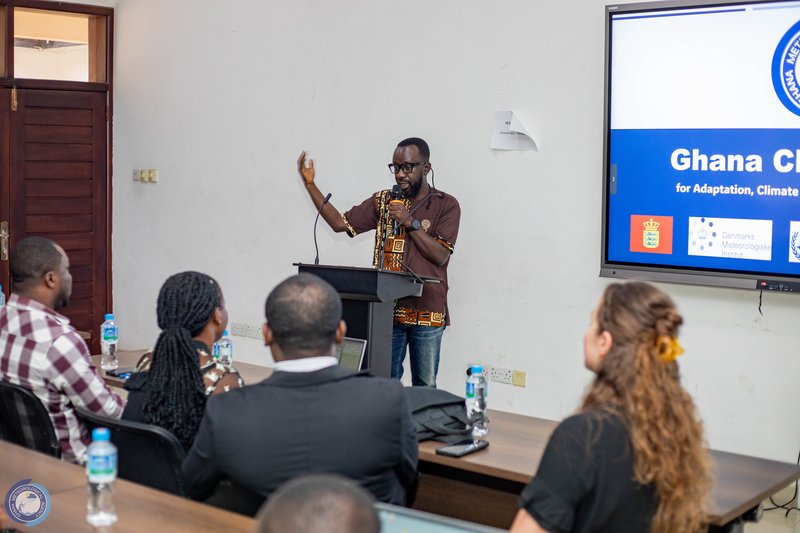
As part of ongoing stakeholder consultations on the Ghana Climate Atlas, a delegation from the Ghana Meteorological Agency (GMet), together with partners from the Danish Meteorological Institute (DMI) and the Danish Embassy in Ghana, visited the University of Ghana’s Centre for Climate Change and Sustainability Studies (C3SS) on Friday, 28 November 2025, to present the Atlas to Master’s and PhD students and solicit academic input.
The team was welcomed by Dr. Yaw Agyeman Boafo, Coordinator of the Centre’s MPhil/MSc Programmes, and Dr. Robert (Bob) O. Manteaw, Senior Research Fellow. In their introductory remarks, both lecturers expressed enthusiasm about the opportunity for the Centre’s graduate students and researchers to engage directly with the new climate information platform, noting the critical role of reliable climate data in academic inquiry, policy research and climate-related development work.
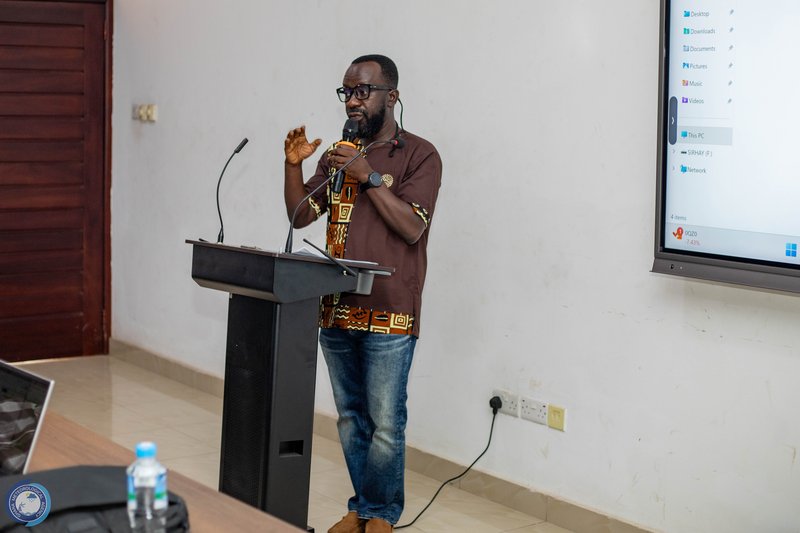
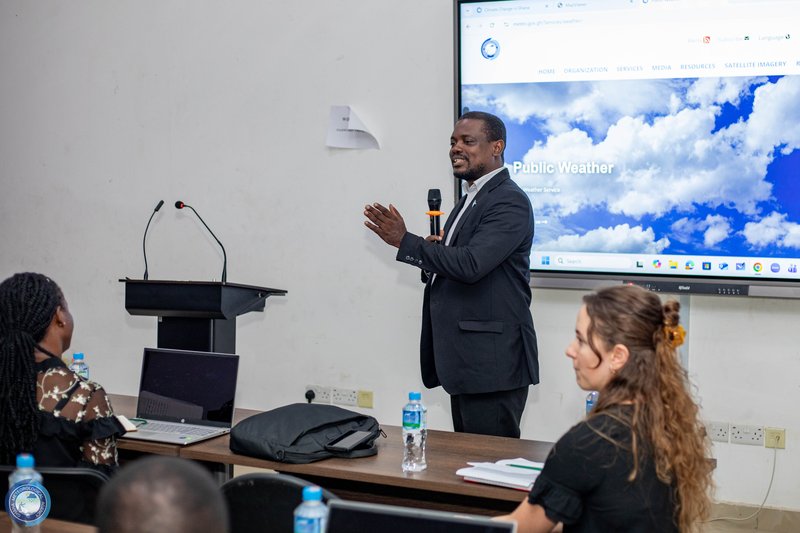
Opening the session, Dr. Ignatius Kweku Williams, Deputy Director-General (Operations) of GMet, explained that the stakeholder engagement exercise forms part of the Ghana-Denmark Strategic Sector Cooperation (SSC) programme. He indicated that the partnership between GMet, DMI and the Danish Embassy is designed to strengthen four key areas: building forecasting competency, developing the Ghana Climate Atlas, digitizing historical meteorological records, and charting a strategic direction for the Agency.
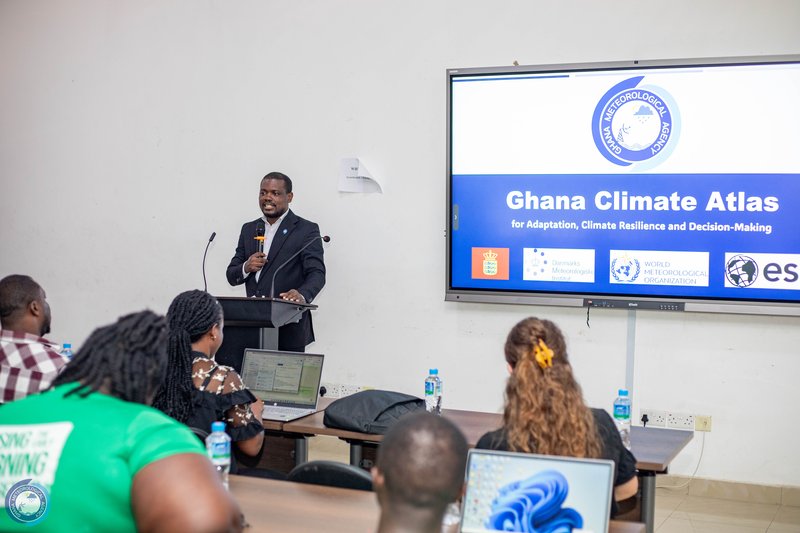
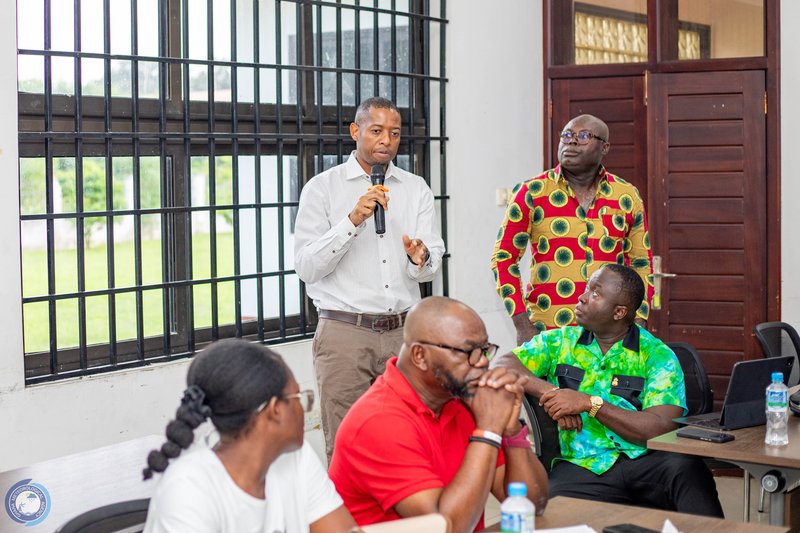
Dr. Williams emphasized the importance of academic validation and feedback in refining the Atlas. He noted that the platform builds on downscaled global climate models tailored to Ghana’s context, and is intended to support both national planning and research. “We want to hear your suggestions, understand your needs, and see how academic collaboration can help enhance what we have developed so far,” he told the students and faculty.
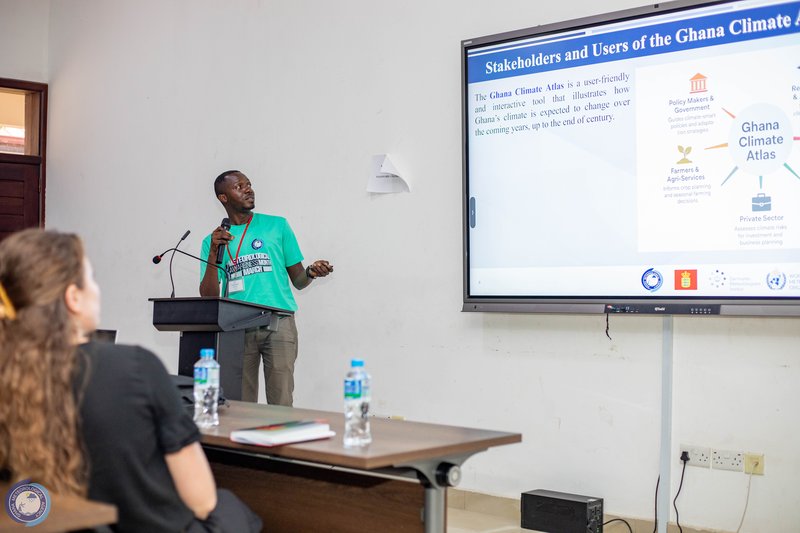
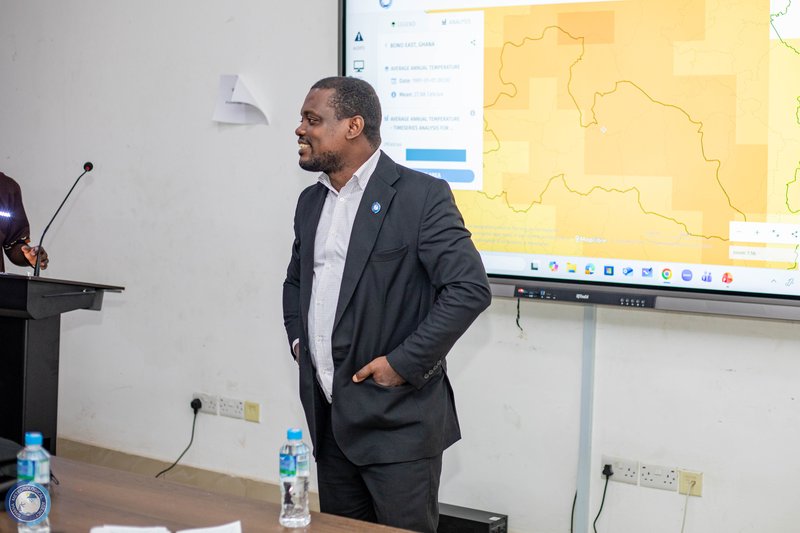
Hayford Asuako Yeboah, a member of the Climate Atlas technical team, led the presentation on the Atlas, demonstrating its features, datasets and potential applications. The session highlighted how the Atlas can support climate modelling, vulnerability assessments, research, and long-term climate scenario analysis.
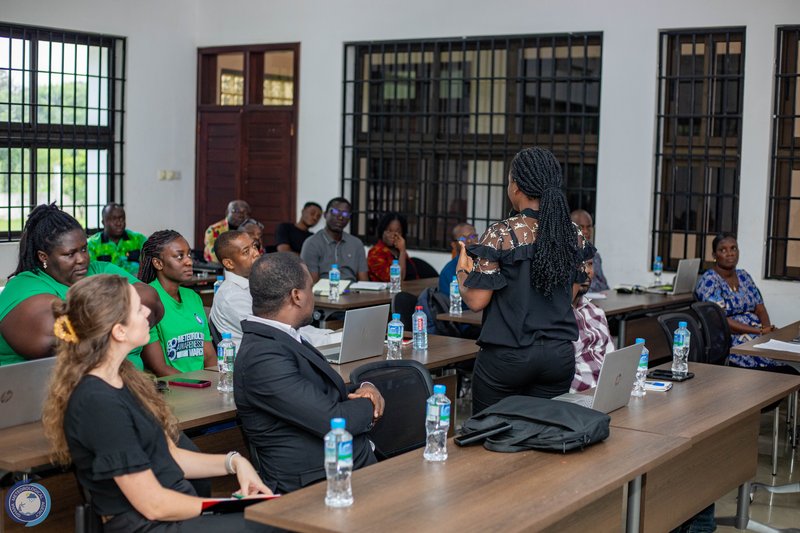
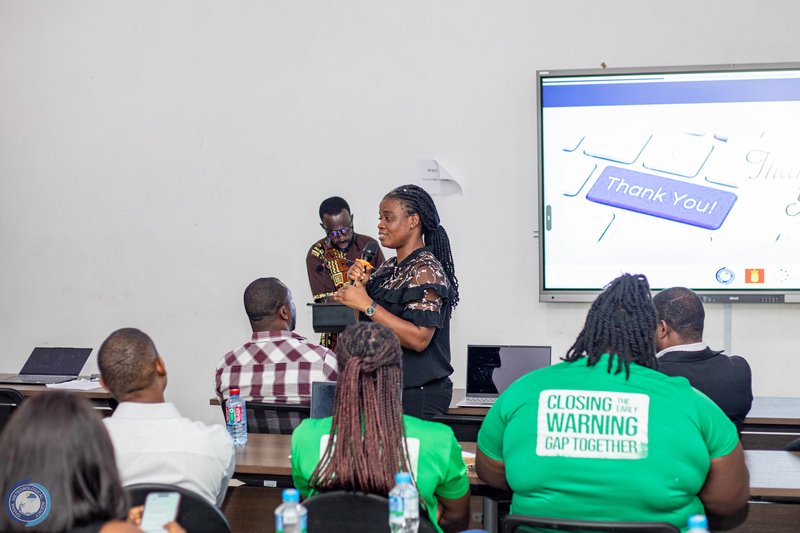
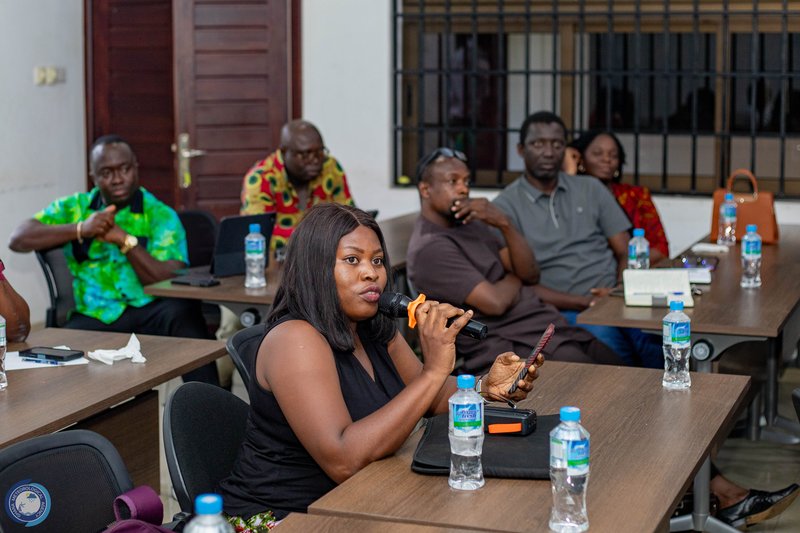
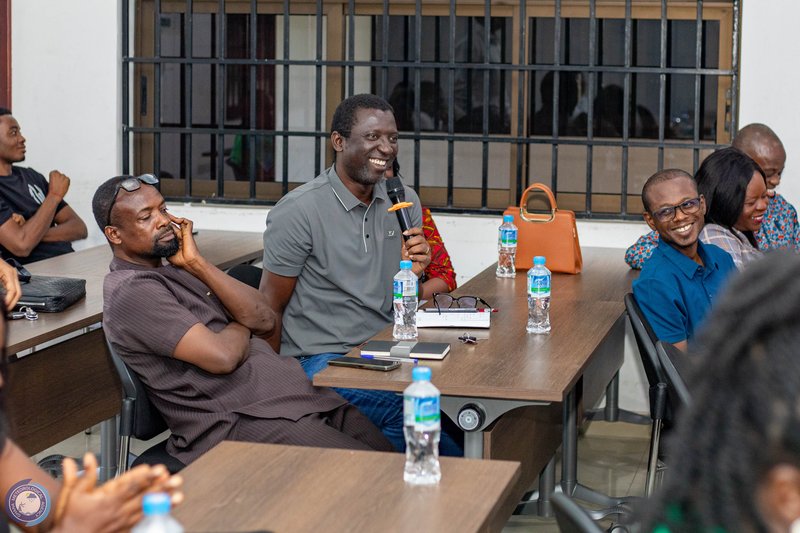
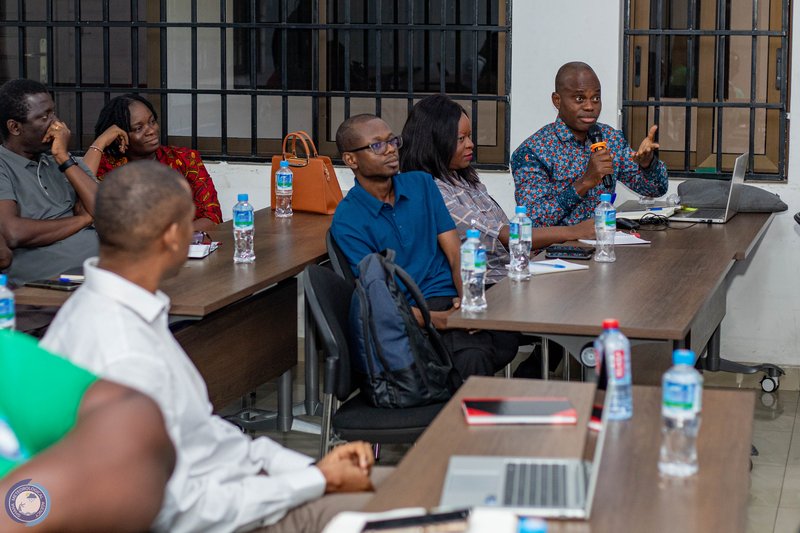
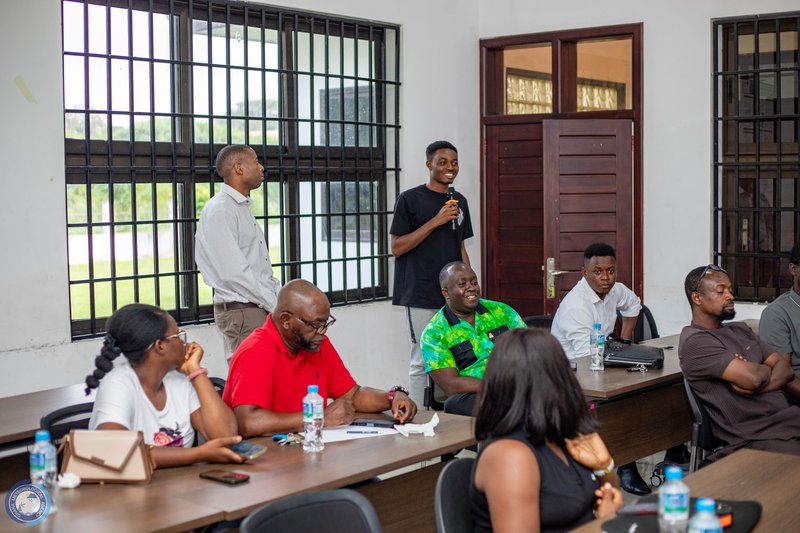
Participants at the Centre welcomed the initiative, describing the Atlas as a valuable tool that aligns well with their academic and research needs. Faculty members expressed particular interest in understanding how the Centre could be formally onboarded into the initiative not only as end-users but also as collaborators who could contribute research insights to strengthen the platform.Students also used the opportunity to seek clarification on internship avenues with GMet, potential areas of collaboration, and how they could contribute to the Atlas through research and fieldwork.
The engagement forms part of a series of consultations with key institutions as GMet and its partners prepare the Ghana Climate Atlas for public release. The feedback gathered from universities, government agencies, and operational users will inform improvements to the platform to ensure it is relevant, accessible and impactful across sectors.
The Ghana Climate Atlas is being developed under the Ghana-Denmark Strategic Sector Cooperation Programme to provide high-quality, downscaled climate data tailored to Ghana. Designed as an interactive online tool, the Atlas integrates historical climate observations and future projections to support decision-making in agriculture, water resources, energy, research, infrastructure planning and national climate resilience.

©️GMet Communications