

Minister of State for Climate Change Calls on Private Sector to Support GMet as Ghana Climate Atlas Undergoes Validation
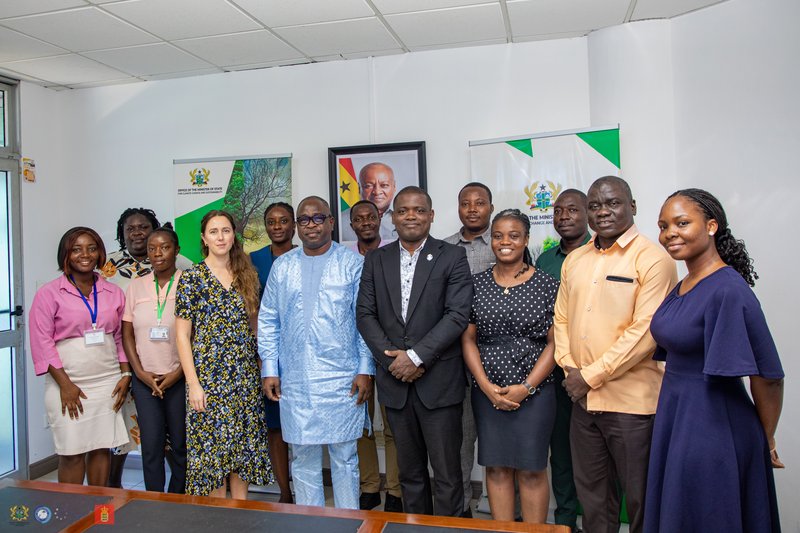
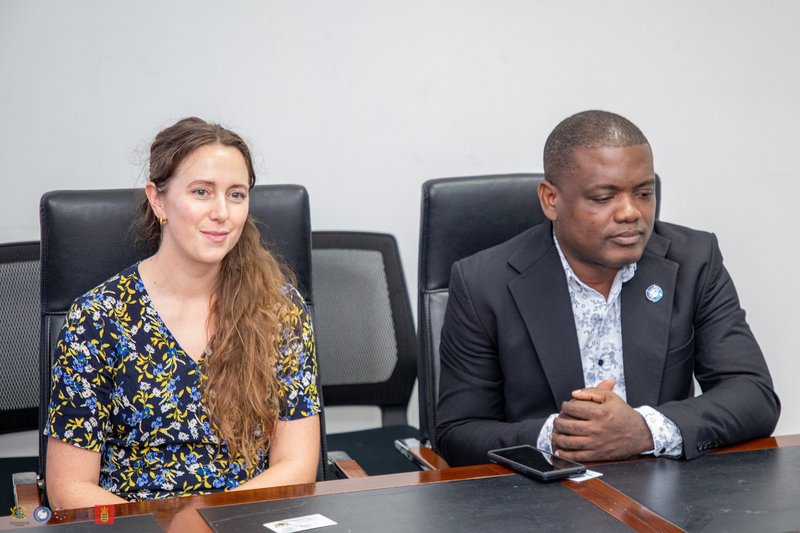
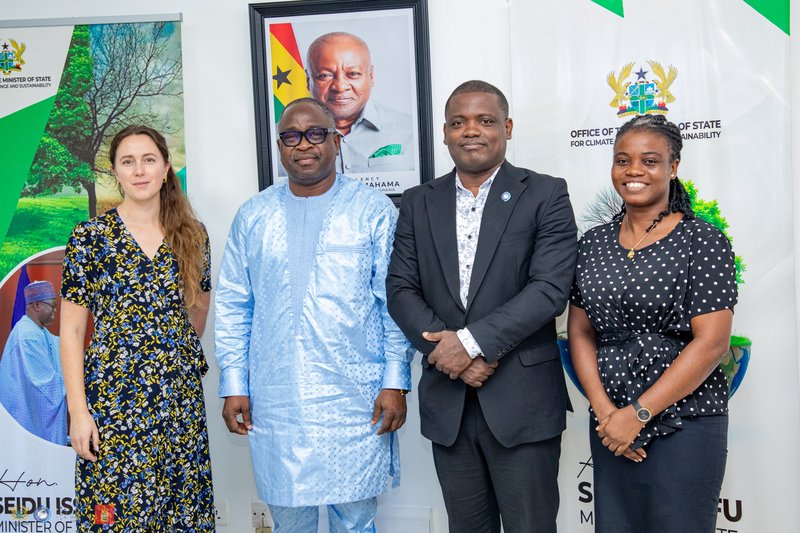
As part of ongoing stakeholder engagements ahead of the rollout of the Ghana Climate Atlas, a delegation from the Ghana Meteorological Agency (GMet), together with partners from the Danish Embassy in Ghana and the Danish Meteorological Institute (DMI), paid a courtesy call on the Minister of State for Climate Change and Sustainability, Hon. Seidu Issifu, to present progress on the Atlas and seek high-level input.
Welcoming the delegation, Hon. Seidu Issifu described GMet as “the oxygen required for national development,” stressing that virtually every sector from agriculture and infrastructure to energy and industry depends on accurate and timely climate information. He noted, however, that GMet remains under-resourced relative to its importance and urged stronger national support.
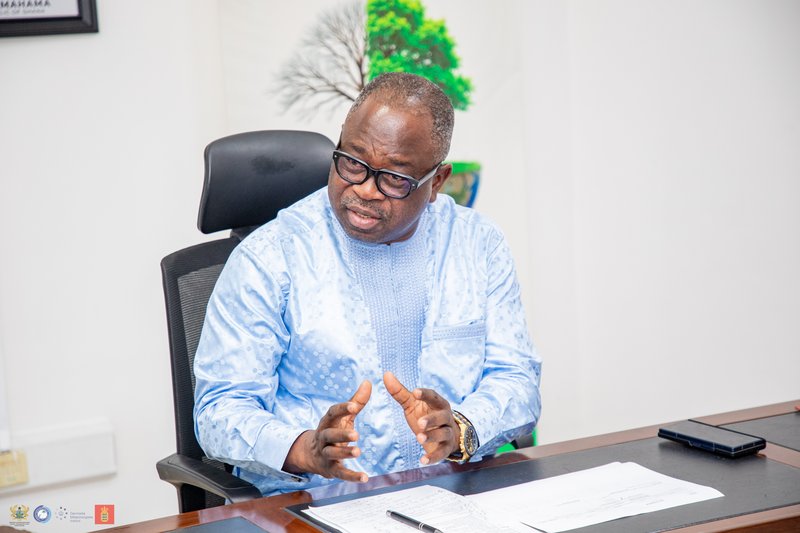
In his remarks, Dr. Ignatius Kweku Williams, Deputy Director-General (Operations) and project owner under the Ghana-Denmark Strategic Sector Cooperation (SSC), outlined the purpose of the visit. He explained that the Climate Atlas is one of four main components of the long-term SSC programme, which also includes strengthening forecasting capacity, digitizing GMet’s historical records, and developing a long-term strategic direction for the Agency. He emphasized that the current stakeholder tour aims to validate the Atlas with key institutions so that the final product reflects real operational needs across sectors.

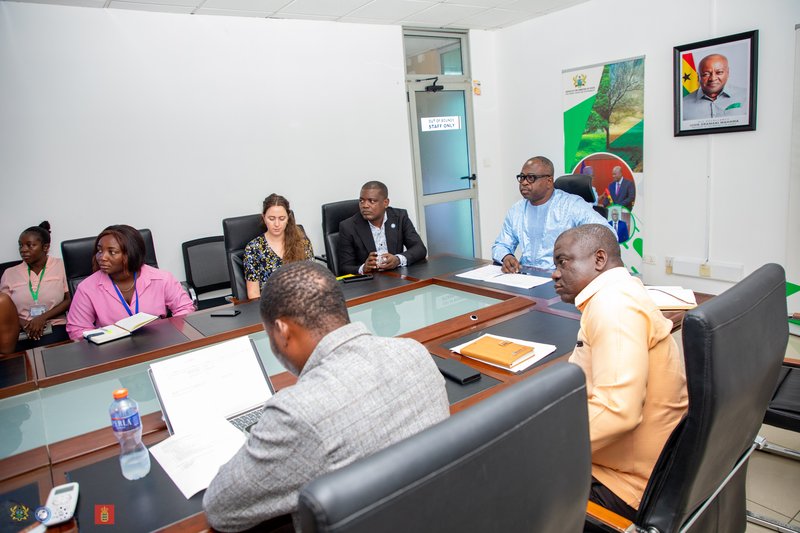
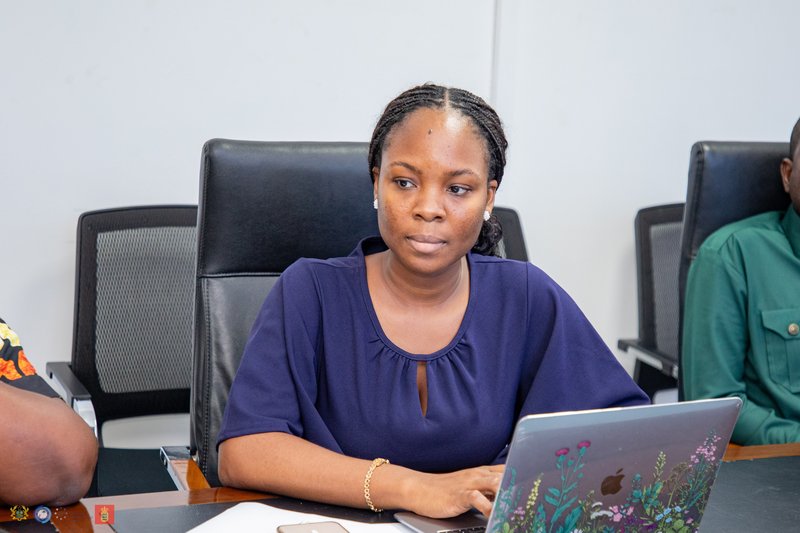
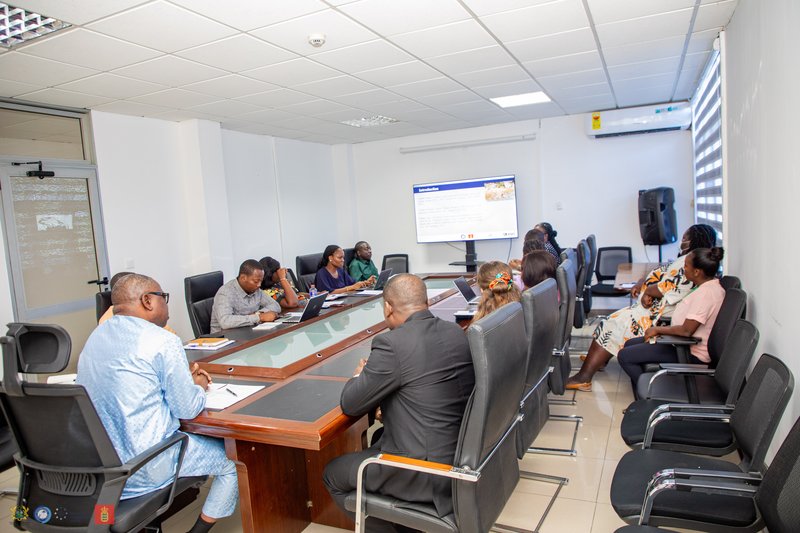
Maureen Abla Ahiataku, Principal Meteorologist and Climate Atlas Project Lead, delivered a detailed presentation on the Atlas, demonstrating how it provides downscaled climate projections for Ghana under various emissions scenarios and how the tool can support long-term planning and climate resilience.

Responding to the presentation, Hon. Seidu Issifu expressed enthusiasm for the Atlas, describing it as “an excellent tool” with huge potential for policy and planning. He noted that the platform could support anticipatory decision-making, including understanding risks of climate-driven migration, planning for flooding, and informing climate-resilient infrastructure design. He also underscored the need for strong communication strategies that reach rural communities and non-literate populations in languages they understand.
A key highlight of the Minister’s remarks was a strong call on the private sector to support GMet through their corporate social responsibility (CSR) commitments. He stressed that industries such as manufacturing, telecommunications, agriculture, energy and transport rely heavily on climate data and should therefore invest in strengthening GMet’s infrastructure and capacity.
“The private sector must be interested in GMet,” he said. “They spend money elsewhere, but GMet’s data is what will help their businesses grow and remain profitable. A portion of their CSR should support GMet because they depend on this information to make decisions.”
Hon. Issifu suggested exploring initiatives such as a GMet data fair and sector-by-sector engagement sessions, and expressed readiness to champion GMet’s work at higher policy levels, including cabinet, to secure sustainable support for climate services in Ghana. He also reaffirmed his office’s commitment to advancing the Agency’s visibility, capacity and integration into national development planning.

The Ghana Climate Atlas, developed under the Ghana-Denmark Strategic Sector Cooperation Programme, is an interactive climate information platform providing historical climate trends, future projections and spatial analysis tools tailored to Ghana’s context. GMet and its partners are currently validating the Atlas with key stakeholders before its official release.










©️GMet Communications